 Sheets Daily is a daily updated site for those who wants to access popular free sheet music easily,
letting them download the sheet music for free for trial purposes.
It's completely free to download and try the listed sheet music, but you have to delete the files after 24 hours of trial.
Don't forget, if you like the piece of music you have just learned playing,
treat the artist with respect, and go buy the original sheet music.
Sheets Daily is a daily updated site for those who wants to access popular free sheet music easily,
letting them download the sheet music for free for trial purposes.
It's completely free to download and try the listed sheet music, but you have to delete the files after 24 hours of trial.
Don't forget, if you like the piece of music you have just learned playing,
treat the artist with respect, and go buy the original sheet music.
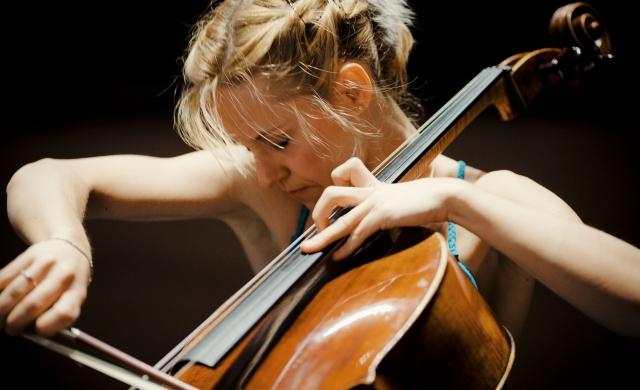
Cello Sheet Music
 "I try to use my music to move these people to act." Jimi Hendrix
Mortimer wilson
Mortimer Wilson was an American composer of classical music. He also scored several musical and dramatic films in the 1920s. Wilson was born in Chariton, Iowa in Lucas County, a rural area in the south-central portion of the state.
Franz Schubert
Franz Peter Schubert (German pronunciation: ; January 31, 1797 – November 19, 1828) was an Austrian composer. He wrote some 600 Lieder, nine symphonies (including the famous "Unfinished Symphony"), liturgical music, operas, some incidental music, and a large body of chamber and solo piano music. He is particularly noted for his original melodic and harmonic writing.
Schubert was born into a musical family, and received formal musical training through much of his childhood. While Schubert had a close circle of friends and associates who admired his work (amongst them the prominent singer Johann Michael Vogl), wide appreciation of his music during his lifetime was limited at best. He was never able to secure adequate permanent employment, and for most of his career he relied on the support of friends and family. He made some money from published works, and occasionally gave private musical instruction. In the last year of his life he began to receive wider acclaim. He died at the age of 31 of "typhoid fever", a diagnosis which was vague at the time; several scholars suspect the real illness was tertiary syphilis.
Interest in Schubert's work increased dramatically in the decades following his death. Composers like Franz Liszt, Robert Schumann and Felix Mendelssohn discovered, collected, and championed his works in the 19th century, as did musicologist Sir George Grove. Franz Schubert is now widely considered to be one of the greatest composers in the Western tradition.
Schubert was born into a musical family, and received formal musical training through much of his childhood. While Schubert had a close circle of friends and associates who admired his work (amongst them the prominent singer Johann Michael Vogl), wide appreciation of his music during his lifetime was limited at best. He was never able to secure adequate permanent employment, and for most of his career he relied on the support of friends and family. He made some money from published works, and occasionally gave private musical instruction. In the last year of his life he began to receive wider acclaim. He died at the age of 31 of "typhoid fever", a diagnosis which was vague at the time; several scholars suspect the real illness was tertiary syphilis.
Interest in Schubert's work increased dramatically in the decades following his death. Composers like Franz Liszt, Robert Schumann and Felix Mendelssohn discovered, collected, and championed his works in the 19th century, as did musicologist Sir George Grove. Franz Schubert is now widely considered to be one of the greatest composers in the Western tradition.
David Romero
David Romero Musical artist Songs Mírala Mírala · 2021 ¿Sabes una Cosa? Luismi... Muy Mexicano · 2010 Arrebátate
Arrebátate · 2021
Arrebátate · 2021
Guiseppe Verdi
Giuseppe Fortunino Francesco Verdi (Italian pronunciation: ; 10 October 1813 – 27 January 1901) was an Italian Romantic composer, mainly of opera. He was one of the most influential composers of the 19th century. His works are frequently performed in opera houses throughout the world and, transcending the boundaries of the genre, some of his themes have long since taken root in popular culture - such as "La donna è mobile" from Rigoletto, "Va, pensiero" (The Chorus of the Hebrew Slaves) from Nabucco, "Libiamo ne' lieti calici" (The Drinking Song) from La traviata and the "Grand March" from Aida. Although his work was sometimes criticized for using a generally diatonic rather than a chromatic musical idiom and having a tendency toward melodrama, Verdi’s masterworks dominate the standard repertoire a century and a half after their composition.
Verdi's predecessors who influenced his music were Rossini, Bellini, Giacomo Meyerbeer and, most notably, Gaetano Donizetti and Saverio Mercadante. With the exception of Otello and Aida, he was free of Wagner's influence. Although respectful of Gounod, Verdi was careful not to learn anything from the Frenchman whom many of Verdi's contemporaries regarded as the greatest living composer. Some strains in Aida suggest at least a superficial familiarity with the works of the Russian composer Mikhail Glinka, whom Franz Liszt, after his tour of the Russian Empire as a pianist, popularized in Western Europe.
Throughout his career, Verdi rarely utilised the high C in his tenor arias, citing the fact that the opportunity to sing that particular note in front of an audience distracts the performer before and after the note appears. However, he did provide high Cs to Duprez in Jérusalem and to Tamberlick in the original version of La forza del destino. The high C often heard in the aria Di quella pira does not appear in Verdi's score.
Verdi's predecessors who influenced his music were Rossini, Bellini, Giacomo Meyerbeer and, most notably, Gaetano Donizetti and Saverio Mercadante. With the exception of Otello and Aida, he was free of Wagner's influence. Although respectful of Gounod, Verdi was careful not to learn anything from the Frenchman whom many of Verdi's contemporaries regarded as the greatest living composer. Some strains in Aida suggest at least a superficial familiarity with the works of the Russian composer Mikhail Glinka, whom Franz Liszt, after his tour of the Russian Empire as a pianist, popularized in Western Europe.
Throughout his career, Verdi rarely utilised the high C in his tenor arias, citing the fact that the opportunity to sing that particular note in front of an audience distracts the performer before and after the note appears. However, he did provide high Cs to Duprez in Jérusalem and to Tamberlick in the original version of La forza del destino. The high C often heard in the aria Di quella pira does not appear in Verdi's score.
Marcos Portugal
Marcos António da Fonseca Portugal, known as Marcos Portugal, or Marco Portogallo, was a Portuguese classical composer, who achieved great international fame for his operas.
Michael Nyman
Michael Laurence Edward Nyman, CBE (born 23 March 1944, Stratford, London) is an English composer of minimalist music, pianist, librettist and musicologist, perhaps best known for the many movie scores he wrote during his lengthy collaboration with the filmmaker Peter Greenaway, and his multi-platinum soundtrack album to Jane Campion's The Piano. His operas include The Man Who Mistook His Wife for a Hat, Letters, Riddles and Writs, Noises, Sounds & Sweet Airs, Facing Goya, Man and Boy: Dada, Love Counts, and Sparkie: Cage and Beyond, and he has written six concerti, four string quartets, and many other chamber works, many for his Michael Nyman Band, with and without whom he tours as a performing pianist. Nyman has stated his preference for writing opera to other sorts of music. In 2008 Man On Wire was released, much of the film's soundtrack is derived from the 2006 album, The Composer's Cut Series Vol. II: Nyman/Greenaway Revisited.
Ludwig Van Beethhoven
Ludwig van Beethoven (/ˈlʊdvɪɡ væn ˈbeɪt(h)oʊvən/ (About this soundlisten); German: (About this soundlisten); baptised 17 December 1770 – 26 March 1827) was a German composer and pianist. A crucial figure in the transition between the classical and romantic eras in classical music, he remains one of the most recognized and influential musicians of this period, and is considered to be one of the greatest composers of all time.
Beethoven was born in Bonn, the capital of the Electorate of Cologne, and part of the Holy Roman Empire. He displayed his musical talents at an early age and was vigorously taught by his father Johann van Beethoven, and was later taught by composer and conductor Christian Gottlob Neefe. At age 21, he moved to Vienna and studied composition with Joseph Haydn. Beethoven then gained a reputation as a virtuoso pianist, and was soon courted by Prince Lichnowsky for compositions, which resulted in Opus 1 in 1795.
Beethoven was born in Bonn, the capital of the Electorate of Cologne, and part of the Holy Roman Empire. He displayed his musical talents at an early age and was vigorously taught by his father Johann van Beethoven, and was later taught by composer and conductor Christian Gottlob Neefe. At age 21, he moved to Vienna and studied composition with Joseph Haydn. Beethoven then gained a reputation as a virtuoso pianist, and was soon courted by Prince Lichnowsky for compositions, which resulted in Opus 1 in 1795.
Haydn
Franz Joseph Haydn (March 31, 1732 – May 31, 1809) was one of the most prominent composers of the classical period, and is called by some the "Father of the Symphony" and "Father of the String Quartet".
A life-long resident of Austria, Haydn spent most of his career as a court musician for the wealthy Hungarian Esterházy family on their remote estate. Isolated from other composers and trends in music until the later part of his long life, he was, as he put it, "forced to become original".
Although Haydn is still often called "Franz Joseph Haydn", the composer did not use the name "Franz" during his lifetime and this misnomer is avoided by modern scholars and historians. Joseph Haydn was the brother of Michael Haydn, himself a highly regarded composer, and Johann Evangelist Haydn, a tenor.
A central characteristic of Haydn's music is the development of larger structures out of very short, simple musical motifs, often derived from standard accompanying figures. The music is often quite formally concentrated, and the important musical events of a movement can unfold rather quickly.
Haydn's work was central to the development of what came to be called sonata form. His practice, however, differed in some ways from that of Mozart and Beethoven, his younger contemporaries who likewise excelled in this form of composition. Haydn was particularly fond of the so-called "monothematic exposition", in which the music that establishes the dominant key is similar or identical to the opening theme. Haydn also differs from Mozart and Beethoven in his recapitulation sections, where he often rearranges the order of themes compared to the exposition and uses extensive thematic development.
Perhaps more than any other composer's, Haydn's music is known for its humour. The most famous example is the sudden loud chord in the slow movement of his "Surprise" symphony; Haydn's many other musical jokes include numerous false endings (e.g., in the quartets Op. 33 No. 2 and Op. 50 No. 3), and the remarkable rhythmic illusion placed in the trio section of the third movement of Op. 50 No. 1.
A life-long resident of Austria, Haydn spent most of his career as a court musician for the wealthy Hungarian Esterházy family on their remote estate. Isolated from other composers and trends in music until the later part of his long life, he was, as he put it, "forced to become original".
Although Haydn is still often called "Franz Joseph Haydn", the composer did not use the name "Franz" during his lifetime and this misnomer is avoided by modern scholars and historians. Joseph Haydn was the brother of Michael Haydn, himself a highly regarded composer, and Johann Evangelist Haydn, a tenor.
A central characteristic of Haydn's music is the development of larger structures out of very short, simple musical motifs, often derived from standard accompanying figures. The music is often quite formally concentrated, and the important musical events of a movement can unfold rather quickly.
Haydn's work was central to the development of what came to be called sonata form. His practice, however, differed in some ways from that of Mozart and Beethoven, his younger contemporaries who likewise excelled in this form of composition. Haydn was particularly fond of the so-called "monothematic exposition", in which the music that establishes the dominant key is similar or identical to the opening theme. Haydn also differs from Mozart and Beethoven in his recapitulation sections, where he often rearranges the order of themes compared to the exposition and uses extensive thematic development.
Perhaps more than any other composer's, Haydn's music is known for its humour. The most famous example is the sudden loud chord in the slow movement of his "Surprise" symphony; Haydn's many other musical jokes include numerous false endings (e.g., in the quartets Op. 33 No. 2 and Op. 50 No. 3), and the remarkable rhythmic illusion placed in the trio section of the third movement of Op. 50 No. 1.
Bach
Johann Sebastian Bach (31 March 1685 – 28 July 1750) was a German composer and organist whose sacred and secular works for choir, orchestra, and solo instruments drew together the strands of the Baroque period and brought it to its ultimate maturity. Although he introduced no new forms, he enriched the prevailing German style with a robust contrapuntal technique, an unrivalled control of harmonic and motivic organisation in composition for diverse musical forces, and the adaptation of rhythms and textures from abroad, particularly Italy and France.
Revered for their intellectual depth and technical and artistic beauty, Bach's works include the Brandenburg concertos; the Goldberg Variations; the English Suites, French Suites, Partitas, and Well-Tempered Clavier; the Mass in B Minor; the St. Matthew Passion; the St. John Passion; The Musical Offering; The Art of Fugue; the Sonatas and Partitas for violin solo; the Cello Suites; more than 200 surviving cantatas; and a similar number of organ works, including the celebrated Toccata and Fugue in D Minor.
While Bach's fame as an organist was great during his lifetime, he was not particularly well-known as a composer. His adherence to Baroque forms and contrapuntal style was considered "old-fashioned" by his contemporaries, especially late in his career when the musical fashion tended towards Rococo and later Classical styles. A revival of interest and performances of his music began early in the 19th century, and he is now widely considered to be one of the greatest composers in the Western tradition.
Revered for their intellectual depth and technical and artistic beauty, Bach's works include the Brandenburg concertos; the Goldberg Variations; the English Suites, French Suites, Partitas, and Well-Tempered Clavier; the Mass in B Minor; the St. Matthew Passion; the St. John Passion; The Musical Offering; The Art of Fugue; the Sonatas and Partitas for violin solo; the Cello Suites; more than 200 surviving cantatas; and a similar number of organ works, including the celebrated Toccata and Fugue in D Minor.
While Bach's fame as an organist was great during his lifetime, he was not particularly well-known as a composer. His adherence to Baroque forms and contrapuntal style was considered "old-fashioned" by his contemporaries, especially late in his career when the musical fashion tended towards Rococo and later Classical styles. A revival of interest and performances of his music began early in the 19th century, and he is now widely considered to be one of the greatest composers in the Western tradition.
Arturo Marquez
Arturo Márquez Navarro (born 20 December 1950) is a Mexican composer of orchestral music who uses musical forms and styles of his native Mexico and incorporates them into his compositions.Márquez was born in Álamos, Sonora, in 1950 where his interest in music began. Márquez is the first born of nine children of Arturo Márquez and Aurora Navarro. Márquez was the only one of the nine siblings who became a musician. Márquez's father was a mariachi musician in Mexico and later in Los Angeles and his paternal grandfather was a Mexican folk musician in the northern states of Sonora and Chihuahua. Because of Márquez's father and grandfather, he was exposed to several musical styles in his childhood, particularly Mexican "salon music" which would be the impetus for his later musical repertoire.
Apocalyptica
Apocalyptica is a Finnish cello metal band, composed of classically trained cellists and, since 2005, a drummer. Three of the cellists are graduates of the Sibelius Academy in Helsinki, Finland. Their music features elements from classical music, neo-classical metal, thrash metal, and symphonic metal.
Berklee College Of Music
Berklee College of Music is an independent music conservatory founded in 1945 in Boston, Massachusetts. There are 4000 registered students.
Zoltan Paulinyi
Zoltán Paulínyi Körmendy (Pittsfield, MA, 1977) conhecido pelo nome artístico de Zoltan Paulini, é um violinista, violista (barroco e moderno) e compositor americano-brasileiro. É profissionalmente ativo desde 1995, e utiliza principalmente instrumentos fabricados e restaurados pelo luthier Carlos Martins del Picchia.
Wojciech Kilar
Wojciech Kilar was a Polish classical and film music composer. His film scores have won many honors including the best score award for the music to Ziemia obiecana in 1975, followed by the Prix Louis ...
Brahms
Johannes Brahms (May 7, 1833 â April 3, 1897) was a German composer of the Romantic period. He was born in Hamburg and in his later years he settled in Vienna, Austria.
Brahms maintained a Classical sense of form and order in his works â in contrast to the opulence of the music of many of his contemporaries. Thus many admirers (though not necessarily Brahms himself) saw him as the champion of traditional forms and "pure music," as opposed to the New German embrace of program music.
Brahms venerated Beethoven: in the composer's home, a marble bust of Beethoven looked down on the spot where he composed, and some passages in his works are reminiscent of Beethoven's style. The main theme of the finale of Brahms's First Symphony is reminiscent of the main theme of the finale of Beethoven's Ninth, and when this resemblance was pointed out to Brahms he replied that any ass â jeder Esel â could see that.
Ein deutsches Requiem was partially inspired by his mother's death in 1865, but also incorporates material from a Symphony he started in 1854, but abandoned following Schumann's suicide attempt. He once wrote that the Requiem "belonged to Schumann". The first movement of this abandoned Symphony was re-worked as the first movement of the First Piano Concerto.
Brahms also loved the Classical composers Mozart and Haydn. He collected first editions and autographs of their works, and edited performing editions. He also studied the music of pre-classical composers, including Giovanni Gabrieli, Johann Adolph Hasse, Heinrich Schütz and especially Johann Sebastian Bach. His friends included leading musicologists, and with Friedrich Chrysander he edited an edition of the works of François Couperin. He looked to older music for inspiration in the arts of strict counterpoint; the themes of some of his works are modelled on Baroque sources, such as Bach's The Art of Fugue in the fugal finale of Cello Sonata No. 1, or the same composer's Cantata No. 150 in the passacaglia theme of the Fourth Symphony's finale.
Brahms maintained a Classical sense of form and order in his works â in contrast to the opulence of the music of many of his contemporaries. Thus many admirers (though not necessarily Brahms himself) saw him as the champion of traditional forms and "pure music," as opposed to the New German embrace of program music.
Brahms venerated Beethoven: in the composer's home, a marble bust of Beethoven looked down on the spot where he composed, and some passages in his works are reminiscent of Beethoven's style. The main theme of the finale of Brahms's First Symphony is reminiscent of the main theme of the finale of Beethoven's Ninth, and when this resemblance was pointed out to Brahms he replied that any ass â jeder Esel â could see that.
Ein deutsches Requiem was partially inspired by his mother's death in 1865, but also incorporates material from a Symphony he started in 1854, but abandoned following Schumann's suicide attempt. He once wrote that the Requiem "belonged to Schumann". The first movement of this abandoned Symphony was re-worked as the first movement of the First Piano Concerto.
Brahms also loved the Classical composers Mozart and Haydn. He collected first editions and autographs of their works, and edited performing editions. He also studied the music of pre-classical composers, including Giovanni Gabrieli, Johann Adolph Hasse, Heinrich Schütz and especially Johann Sebastian Bach. His friends included leading musicologists, and with Friedrich Chrysander he edited an edition of the works of François Couperin. He looked to older music for inspiration in the arts of strict counterpoint; the themes of some of his works are modelled on Baroque sources, such as Bach's The Art of Fugue in the fugal finale of Cello Sonata No. 1, or the same composer's Cantata No. 150 in the passacaglia theme of the Fourth Symphony's finale.
John Williams
John Towner Williams (born February 8, 1932) is an American composer, conductor, and pianist. In a career that spans six decades, Williams has composed many of the most famous film scores in Hollywood history, including Star Wars, Superman, Home Alone, the first three Harry Potter movies and all but two of Steven Spielberg's feature films including the Indiana Jones series, Schindler's List, E.T. the Extra-Terrestrial, Jurassic Park and Jaws. He also composed the soundtrack for the hit 1960s television series Lost in Space as well as the fanfare of the DreamWorks Pictures' logo.
Williams has composed theme music for four Olympic Games, the NBC Nightly News, the rededication of the Statue of Liberty, and numerous television series and concert pieces. He served as the principal conductor of the Boston Pops Orchestra from 1980 to 1993, and is now the orchestra's laureate conductor.
Williams is a five-time winner of the Academy Award. He has also won four Golden Globe Awards, seven BAFTA Awards and 21 Grammy Awards. With 45 Academy Award nominations, Williams is, together with composer Alfred Newman, the second most nominated person after Walt Disney. He was inducted into the Hollywood Bowl Hall of Fame in 2000, and was a recipient of the Kennedy Center Honors in 2004.
Williams has composed theme music for four Olympic Games, the NBC Nightly News, the rededication of the Statue of Liberty, and numerous television series and concert pieces. He served as the principal conductor of the Boston Pops Orchestra from 1980 to 1993, and is now the orchestra's laureate conductor.
Williams is a five-time winner of the Academy Award. He has also won four Golden Globe Awards, seven BAFTA Awards and 21 Grammy Awards. With 45 Academy Award nominations, Williams is, together with composer Alfred Newman, the second most nominated person after Walt Disney. He was inducted into the Hollywood Bowl Hall of Fame in 2000, and was a recipient of the Kennedy Center Honors in 2004.
Emilie Autumn
Emilie Autumn Liddell (born on September 22, 1979), better known by her stage name Emilie Autumn, is an American singer-songwriter, poet, author, violinist, and actress. Autumn's musical style is described by her as "Fairy Pop", "Fantasy Rock" or "Victoriandustrial". It is influenced by glam rock and from plays, novels, and history, particularly the Victorian era. Performing with her all-female backup dancers The Bloody Crumpets, Autumn incorporates elements of classical music, cabaret, electronica, and glam rock with theatrics, and burlesque.
Astor Piazzolla
Ástor Pantaleón Piazzolla (March 11, 1921 – July 4, 1992) was an Argentine tango composer and bandoneón player. His oeuvre revolutionized the traditional tango into a new style termed nuevo tango, incorporating elements from jazz and classical music. An excellent bandoneonist, he regularly performed his own compositions with different ensembles.
Piazzolla's nuevo tango was distinct from the traditional tango in its incorporation of elements of jazz, its use of extended harmonies and dissonance, its use of counterpoint, and its ventures into extended compositional forms. As Argentine psychoanalyst Carlos Kuri has pointed out, Piazzolla's fusion of tango with this wide range of other recognizable Western musical elements was so successful that it produced a new individual style transcending these influences. It is precisely this success, and individuality, that makes it hard to pin down where particular influences reside in his compositions, but some aspects are clear. The use of the passacaglia technique of a circulating bass line and harmonic sequence, invented and much used in 17th and 18th century baroque music but also central to the idea of jazz "changes", predominates in most of Piazzolla's mature compositions. Another clear reference to the baroque is the often complex and virtuosic counterpoint that sometimes follows strict fugal behavior but more often simply allows each performer in the group to assert his voice. A further technique that emphasises this sense of democracy and freedom among the musicians is improvisation that is borrowed from jazz in concept, but in practice involves a different vocabulary of scales and rhythms that stay within the parameters of the established tango sound-world. Pablo Ziegler has been particularly responsible for developing this aspect of the style both within Piazzolla's groups and since the composer's death.
Piazzolla's nuevo tango was distinct from the traditional tango in its incorporation of elements of jazz, its use of extended harmonies and dissonance, its use of counterpoint, and its ventures into extended compositional forms. As Argentine psychoanalyst Carlos Kuri has pointed out, Piazzolla's fusion of tango with this wide range of other recognizable Western musical elements was so successful that it produced a new individual style transcending these influences. It is precisely this success, and individuality, that makes it hard to pin down where particular influences reside in his compositions, but some aspects are clear. The use of the passacaglia technique of a circulating bass line and harmonic sequence, invented and much used in 17th and 18th century baroque music but also central to the idea of jazz "changes", predominates in most of Piazzolla's mature compositions. Another clear reference to the baroque is the often complex and virtuosic counterpoint that sometimes follows strict fugal behavior but more often simply allows each performer in the group to assert his voice. A further technique that emphasises this sense of democracy and freedom among the musicians is improvisation that is borrowed from jazz in concept, but in practice involves a different vocabulary of scales and rhythms that stay within the parameters of the established tango sound-world. Pablo Ziegler has been particularly responsible for developing this aspect of the style both within Piazzolla's groups and since the composer's death.
U2
U2 are a rock band from Dublin, Ireland. The band consists of Bono (vocals and guitar), The Edge (guitar, keyboards, and vocals), Adam Clayton (bass guitar) and Larry Mullen, Jr. (drums and percussion).
The band formed in 1976 when the members were teenagers with limited musical proficiency. By the mid-1980s, however, the band had become a top international act, noted for their anthemic sound, Bono's impassioned vocals, and The Edge's textural guitar playing. Their success as a live act was greater than their success at selling records until their 1987 album The Joshua Tree increased the band's stature "from heroes to superstars," according to Rolling Stone. U2 responded to the dance and alternative rock revolutions, and their own sense of musical stagnation by reinventing themselves with their 1991 album Achtung Baby and the accompanying Zoo TV Tour. Similar experimentation continued for the rest of the 1990s. Since 2000, U2 have pursued a more traditional sound that retains the influence of their previous musical explorations.
U2 have sold more than 140 million albums worldwide and have won 22 Grammy Awards, more than any other band. In 2005, the band were inducted into the Rock and Roll Hall of Fame in their first year of eligibility. Rolling Stone magazine listed U2 at #22 in its list of the 100 greatest artists of all time. Throughout their career, as a band and as individuals, they have campaigned for human rights and social justice causes, including Amnesty International, the ONE Campaign, and Bono's DATA (Debt, AIDS, Trade in Africa) campaign.
The band formed in 1976 when the members were teenagers with limited musical proficiency. By the mid-1980s, however, the band had become a top international act, noted for their anthemic sound, Bono's impassioned vocals, and The Edge's textural guitar playing. Their success as a live act was greater than their success at selling records until their 1987 album The Joshua Tree increased the band's stature "from heroes to superstars," according to Rolling Stone. U2 responded to the dance and alternative rock revolutions, and their own sense of musical stagnation by reinventing themselves with their 1991 album Achtung Baby and the accompanying Zoo TV Tour. Similar experimentation continued for the rest of the 1990s. Since 2000, U2 have pursued a more traditional sound that retains the influence of their previous musical explorations.
U2 have sold more than 140 million albums worldwide and have won 22 Grammy Awards, more than any other band. In 2005, the band were inducted into the Rock and Roll Hall of Fame in their first year of eligibility. Rolling Stone magazine listed U2 at #22 in its list of the 100 greatest artists of all time. Throughout their career, as a band and as individuals, they have campaigned for human rights and social justice causes, including Amnesty International, the ONE Campaign, and Bono's DATA (Debt, AIDS, Trade in Africa) campaign.
Joseph Haydn
Franz Joseph Haydn (31 March 1732 – 31 May 1809), known as Joseph Haydn (German pronunciation: ; English: /ˈdʒoʊzəf ˈhaɪdən/), was an Austrian composer, one of the most prolific and prominent composers of the Classical period. He is often called the "Father of the Symphony" and "Father of the String Quartet" because of his important contributions to these genres. He was also instrumental in the development of the piano trio and in the evolution of sonata form.
A life-long resident of Austria, Haydn spent much of his career as a court musician for the wealthy Hungarian aristocratic Esterházy family on their remote estate. Isolated from other composers and trends in music until the later part of his long life, he was, as he put it, "forced to become original". At the time of his death, he was one of the most celebrated composers in Europe.
Joseph Haydn was the brother of Michael Haydn, himself a highly regarded composer, and Johann Evangelist Haydn, a tenor. He was also a close friend of Wolfgang Amadeus Mozart and a teacher of Ludwig van Beethoven.
A life-long resident of Austria, Haydn spent much of his career as a court musician for the wealthy Hungarian aristocratic Esterházy family on their remote estate. Isolated from other composers and trends in music until the later part of his long life, he was, as he put it, "forced to become original". At the time of his death, he was one of the most celebrated composers in Europe.
Joseph Haydn was the brother of Michael Haydn, himself a highly regarded composer, and Johann Evangelist Haydn, a tenor. He was also a close friend of Wolfgang Amadeus Mozart and a teacher of Ludwig van Beethoven.
Beethoven
Ludwig van Beethoven (16 December 1770 - 26 March 1827) was a German composer and pianist. He was a crucial figure in the transitional period between the Classical and Romantic eras in Western classical music, and remains one of the most respected and influential composers of all time.
Born in Bonn, then in the Electorate of Cologne (now in modern-day Germany), he moved to Vienna in his early twenties and settled there, studying with Joseph Haydn and quickly gaining a reputation as a virtuoso pianist. Beethoven's hearing gradually deteriorated beginning in his twenties, yet he continued to compose masterpieces, and to conduct and perform, even after he was completely deaf.
Born in Bonn, then in the Electorate of Cologne (now in modern-day Germany), he moved to Vienna in his early twenties and settled there, studying with Joseph Haydn and quickly gaining a reputation as a virtuoso pianist. Beethoven's hearing gradually deteriorated beginning in his twenties, yet he continued to compose masterpieces, and to conduct and perform, even after he was completely deaf.
Mark Isham
Mark Ware Isham is an American musician and film composer. A trumpeter and keyboardist, Isham works in a variety of genres, including jazz and electronic.
Chopin
Frédéric Chopin (1 March 1810 – 17 October 1849) was a Polish composer and virtuoso pianist of the Romantic period. He is widely regarded as the greatest Polish composer, and ranks as one of music's greatest tone poets.
He was born in the village of Żelazowa Wola, in the Duchy of Warsaw, to a Polish mother and French-expatriate father, and in his early life was regarded as a child-prodigy pianist. In November 1830, at the age of 20, Chopin went abroad; following the suppression of the Polish November Uprising of 1830–31, he became one of many expatriates of the Polish "Great Emigration."
In Paris, he made a comfortable living as a composer and piano teacher, while giving few public performances. A Polish patriot,
Chopin's extant compositions were written primarily for the piano as a solo instrument. Though technically demanding, Chopin's style emphasizes nuance and expressive depth rather than virtuosity. Chopin invented musical forms such as the ballade and was responsible for major innovations in forms such as the piano sonata, waltz, nocturne, étude, impromptu and prelude. His works are mainstays of Romanticism in 19th-century classical music.
He was born in the village of Żelazowa Wola, in the Duchy of Warsaw, to a Polish mother and French-expatriate father, and in his early life was regarded as a child-prodigy pianist. In November 1830, at the age of 20, Chopin went abroad; following the suppression of the Polish November Uprising of 1830–31, he became one of many expatriates of the Polish "Great Emigration."
In Paris, he made a comfortable living as a composer and piano teacher, while giving few public performances. A Polish patriot,
Chopin's extant compositions were written primarily for the piano as a solo instrument. Though technically demanding, Chopin's style emphasizes nuance and expressive depth rather than virtuosity. Chopin invented musical forms such as the ballade and was responsible for major innovations in forms such as the piano sonata, waltz, nocturne, étude, impromptu and prelude. His works are mainstays of Romanticism in 19th-century classical music.
Koji Kondo
Koji Kondo (近藤浩治 Kondō Kōji?, born August 13, 1960) is a Japanese video game composer and sound director who has been employed at Nintendo since 1984. He is best known for scoring numerous titles in the Mario and The Legend of Zelda series.
Jackie McLean
John Lenwood "Jackie" McLean was an American jazz alto saxophonist, composer, bandleader, and educator, and is one of the few musicians to be elected to the DownBeat Hall of Fame in the year of their death.
J. S. Bach
Johann Sebastian Bach (21 March 1685, O.S.31 March 1685, N.S. – 28 July 1750, N.S.) was a German composer, organist, harpsichordist, violist, and violinist whose sacred and secular works for choir, orchestra, and solo instruments drew together the strands of the Baroque period and brought it to its ultimate maturity. Although he did not introduce new forms, he enriched the prevailing German style with a robust contrapuntal technique, an unrivalled control of harmonic and motivic organisation, and the adaptation of rhythms, forms and textures from abroad, particularly from Italy and France.
Revered for their intellectual depth, technical command and artistic beauty, Bach's works include the Brandenburg Concertos, the Goldberg Variations, the Partitas, The Well-Tempered Clavier, the Mass in B minor, the St Matthew Passion, the St John Passion, the Magnificat, A Musical Offering, The Art of Fugue, the English and French Suites, the Sonatas and Partitas for solo violin, the Cello Suites, more than 200 surviving cantatas, and a similar number of organ works, including the famous Toccata and Fugue in D minor and Passacaglia and Fugue in C minor, as well as the Great Eighteen Chorale Preludes and Organ Mass.
Bach's abilities as an organist were highly respected throughout Europe during his lifetime, although he was not widely recognised as a great composer until a revival of interest and performances of his music in the first half of the 19th century. He is now generally regarded as one of the main composers of the Baroque style, and as one of the greatest composers of all time.
Revered for their intellectual depth, technical command and artistic beauty, Bach's works include the Brandenburg Concertos, the Goldberg Variations, the Partitas, The Well-Tempered Clavier, the Mass in B minor, the St Matthew Passion, the St John Passion, the Magnificat, A Musical Offering, The Art of Fugue, the English and French Suites, the Sonatas and Partitas for solo violin, the Cello Suites, more than 200 surviving cantatas, and a similar number of organ works, including the famous Toccata and Fugue in D minor and Passacaglia and Fugue in C minor, as well as the Great Eighteen Chorale Preludes and Organ Mass.
Bach's abilities as an organist were highly respected throughout Europe during his lifetime, although he was not widely recognised as a great composer until a revival of interest and performances of his music in the first half of the 19th century. He is now generally regarded as one of the main composers of the Baroque style, and as one of the greatest composers of all time.
Howard Shore
Howard Leslie Shore (born October 18, 1946) is a Canadian composer, notable for his film scores. He has composed the scores for over 40 films, most notably the scores for The Lord of the Rings film trilogy, for which he won three Academy Awards. He is also a consistent collaborator with director David Cronenberg, having scored all but one of his films since 1979. Shore has also worked with Martin Scorsese, Jonathan Demme, David Fincher and many other filmakers.
He has also composed a few concert works including one opera, The Fly, based on the plot (though not his score) of Cronenberg's 1986 film premiered at the Théâtre du Châtelet in Paris on 2 July 2008., a short piece Fanfare for the Wanamaker Organ and the Philadelphia Orchestra, and a short overture for the Swiss 21st Century Symphony Orchestra.
Shore is a three-time winner of the Academy Award, and has also won two Golden Globe Awards and four Grammy Awards. He is the uncle of film composer Ryan Shore.
He has also composed a few concert works including one opera, The Fly, based on the plot (though not his score) of Cronenberg's 1986 film premiered at the Théâtre du Châtelet in Paris on 2 July 2008., a short piece Fanfare for the Wanamaker Organ and the Philadelphia Orchestra, and a short overture for the Swiss 21st Century Symphony Orchestra.
Shore is a three-time winner of the Academy Award, and has also won two Golden Globe Awards and four Grammy Awards. He is the uncle of film composer Ryan Shore.
Mark Summer
Mark Summer is the Turtle Island Quartet's cellist; he is a founding member and has performed with Turtle Island (aka Turtle Island String Quartet) since its founding in 1985.
Braveheart
Braveheart is a 1995 historical action-drama movie produced and directed by Mel Gibson, who also starred in the title role. The film was written for screen and then novelized by Randall Wallace. Gibson portrays a legendary Scot, William Wallace, who gained recognition when he came to the forefront of the First War of Scottish Independence by opposing Edward I of England (portrayed by Patrick McGoohan) and subsequently abetted by Edward's daughter-in-law Princess Isabelle (played by Sophie Marceau) and a claimant to the Scottish throne, Robert the Bruce (played by Angus Macfadyen).
The film won five Academy Awards at the 68th Academy Awards, including the Academy Award for Best Picture and Best Director, and had been nominated for an additional five. Produced by Icon Productions for Paramount Pictures and 20th Century Fox, the film's success helped revive the historical epic genre, with subsequent films such as Gladiator, Troy, Kingdom of Heaven, 300, and Mongol.
The film won five Academy Awards at the 68th Academy Awards, including the Academy Award for Best Picture and Best Director, and had been nominated for an additional five. Produced by Icon Productions for Paramount Pictures and 20th Century Fox, the film's success helped revive the historical epic genre, with subsequent films such as Gladiator, Troy, Kingdom of Heaven, 300, and Mongol.
Flávio Venturini
Flávio Hugo Venturini (born July 23, 1949) is a Brazilian singer and songwriter.Venturini took an early interest in music at the age of three. When he was fifteen he began his musical training. His first musical instrument was the accordion. After his father presented him with a piano, he started his studies at the Fundação de Educação Artística in Belo Horizonte, where he studied musical perception and piano.
Handel
George Frideric Handel (Friday, 23 February 1685 - Saturday, 14 April 1759) was a German-born Baroque composer who is famous for his operas, oratorios and concerti grossi. Born as Georg Friedrich Handel in Halle, he spent most of his adult life in England, becoming a subject of the British crown on 22 January 1727. His most famous works are Messiah, an oratorio set to texts from the King James Bible; Water Music; and Music for the Royal Fireworks. Strongly influenced by the techniques of the great composers of the Italian Baroque and the English composer Henry Purcell, his music was known to many significant composers who came after him, including Haydn, Mozart, and Beethoven.
Handel's compositions include 42 operas; 29 oratorios; more than 120 cantatas, trios and duets; numerous arias; chamber music; a large number of ecumenical pieces; odes and serenatas; and sixteen organ concerti. His most famous work, the Messiah oratorio with its "Hallelujah" chorus, is among the most popular works in choral music and has become a centerpiece of the Christmas season. Also popular are the Opus 3 and 6 Concerti Grossi, as well as "The Cuckoo and the Nightingale", in which birds are heard calling during passages played in different keys representing the vocal ranges of two birds. Also notable are his sixteen keyboard suites, especially The Harmonious Blacksmith.
Handel introduced various previously uncommon musical instruments in his works: the viola d'amore and violetta marina (Orlando), the lute (Ode for St. Cecilia's Day), three trombones (Saul), clarinets or small high cornets (Tamerlano), theorbo, French horn (Water Music), lyrichord, double bassoon, viola da gamba, bell chimes, positive organ, and harp (Giulio Cesare, Alexander's Feast).
Handel's compositions include 42 operas; 29 oratorios; more than 120 cantatas, trios and duets; numerous arias; chamber music; a large number of ecumenical pieces; odes and serenatas; and sixteen organ concerti. His most famous work, the Messiah oratorio with its "Hallelujah" chorus, is among the most popular works in choral music and has become a centerpiece of the Christmas season. Also popular are the Opus 3 and 6 Concerti Grossi, as well as "The Cuckoo and the Nightingale", in which birds are heard calling during passages played in different keys representing the vocal ranges of two birds. Also notable are his sixteen keyboard suites, especially The Harmonious Blacksmith.
Handel introduced various previously uncommon musical instruments in his works: the viola d'amore and violetta marina (Orlando), the lute (Ode for St. Cecilia's Day), three trombones (Saul), clarinets or small high cornets (Tamerlano), theorbo, French horn (Water Music), lyrichord, double bassoon, viola da gamba, bell chimes, positive organ, and harp (Giulio Cesare, Alexander's Feast).
Super Smash Bros
Super Smash Bros. is a crossover fighting game series published by Nintendo, and primarily features characters from various Nintendo franchises. The series was created by Masahiro Sakurai, who has directed every game in the series.
Paul Fleury
Mr. Fleury started playing cello at 6 years of age, Principal cellist of the Florida Symphony Youth Orchestra
1979-1987, Principal Cellist All State 1983-1987 consecutively. He has attended Tanglewood Institute,
Eastern Music Center, South Eastern Music Center; finally continuing education at UCF, and Converse
College. Mr. Fleury has extensive experience teaching private students and groups, conducting, competition
preparation, and general instrumental teaching. He teaches privately in Gainesville with Gainesville Suzuki
Players and in the Orlando/Winter Park area; and is associated with Maitland Suzuki School. He also acts as
assistant conductor for both the Hausmusik Orchestra and the Young Artist Orchestra in Gainesville. For the
last three consecutive years
1979-1987, Principal Cellist All State 1983-1987 consecutively. He has attended Tanglewood Institute,
Eastern Music Center, South Eastern Music Center; finally continuing education at UCF, and Converse
College. Mr. Fleury has extensive experience teaching private students and groups, conducting, competition
preparation, and general instrumental teaching. He teaches privately in Gainesville with Gainesville Suzuki
Players and in the Orlando/Winter Park area; and is associated with Maitland Suzuki School. He also acts as
assistant conductor for both the Hausmusik Orchestra and the Young Artist Orchestra in Gainesville. For the
last three consecutive years
Eyvind Alnæs
Eyvind Alnæs (29 April 1872 – 24 December 1932) was a Norwegian composer, pianist, organist and choir director.Alnæs was born in Fredrikstad, as the son of headmaster Johannes Jørgen Lauritz Alnæs (1835–1916) and Elise Martine Hansen (1851–1931). He married Emilie Thorne (1882–1976) in 1903. He was the father of author Lise Børsum, and grandfather of novelist Finn Alnæs and artist Bente Børsum.
Melcior Junca
Melcior Juncà i Farré (Sant Joan de les Abadesses, Ripollès, 1757 - Tarragona, 1824) was a Catalan maestro de capilla, composer and music theorist. He was son of a musician, Jacinto Juncà. From 1798 to 1806 he was chapel master at the Cathedral of Tarragona.
Ignazio Donati
Ignazio Donati (c. 1570 – 21 January 1638) was an Italian composer of the early Baroque era. He was one of the pioneers of the style of the concertato motet.Ignazio Donati was born in Casalmaggiore (now in the Province of Cremona). Little is known about his earliest years, but he must have had a thorough early musical training, and his succession of posts at various cathedrals in Italian towns is well documented: he served successively at Urbino, Pesaro, Fano, Ferrara, Casalmaggiore, Novara, and Lodi, eventually acquiring the prestigious post at Milan Cathedral in 1629, which he kept with one short break until his death.
Ralph Vaughan Williams
Ralph Vaughan Williams is a British musician and composer. He composed symphonies, chamber music, choral music and film music. Date of birth: October 12, 1872, Down Ampney, United Kingdom Date and place of death: August 26, 1958, Hanover Terrace Occupation: Composer, Critic
Felix Mendelssohn
Jakob Ludwig Felix Mendelssohn Bartholdy, born, and generally known in English-speaking countries, as Felix Mendelssohn (February 3, 1809 – November 4, 1847) was a German composer, pianist, organist and conductor of the early Romantic period.
The grandson of the philosopher Moses Mendelssohn, he was born into a notable Jewish family, although he himself was brought up initially without religion, and later as a Lutheran. He was recognized early as a musical prodigy, but his parents were cautious and did not seek to capitalise on his abilities. Indeed his father was disinclined to allow Felix to follow a musical career until it became clear that he intended to seriously dedicate himself to it.
Early success in Germany was followed by travel throughout Europe; Mendelssohn was particularly well received in England as a composer, conductor and soloist, and his ten visits there, during which many of his major works were premiered, form an important part of his adult career. His essentially conservative musical tastes however set him apart from many of his more adventurous musical contemporaries such as Liszt, Wagner and Berlioz. The Conservatory he founded at Leipzig became a bastion of this anti-radical outlook.
Mendelssohn's work includes symphonies, concerti, oratorios, piano and chamber music. He also had an important role in the revival of interest in the music of Johann Sebastian Bach. After a long period of relative denigration due to changing musical tastes and antisemitism in the late 19th and early 20th centuries, his creative originality is now being recognized and re-evaluated. He is now among the most popular composers of the Romantic era.
The grandson of the philosopher Moses Mendelssohn, he was born into a notable Jewish family, although he himself was brought up initially without religion, and later as a Lutheran. He was recognized early as a musical prodigy, but his parents were cautious and did not seek to capitalise on his abilities. Indeed his father was disinclined to allow Felix to follow a musical career until it became clear that he intended to seriously dedicate himself to it.
Early success in Germany was followed by travel throughout Europe; Mendelssohn was particularly well received in England as a composer, conductor and soloist, and his ten visits there, during which many of his major works were premiered, form an important part of his adult career. His essentially conservative musical tastes however set him apart from many of his more adventurous musical contemporaries such as Liszt, Wagner and Berlioz. The Conservatory he founded at Leipzig became a bastion of this anti-radical outlook.
Mendelssohn's work includes symphonies, concerti, oratorios, piano and chamber music. He also had an important role in the revival of interest in the music of Johann Sebastian Bach. After a long period of relative denigration due to changing musical tastes and antisemitism in the late 19th and early 20th centuries, his creative originality is now being recognized and re-evaluated. He is now among the most popular composers of the Romantic era.
JoaquÃn Turina
Joaquín Turina Pérez (9 December 1882 – 14 January 1949) was a Spanish composer of classical music.Turina was born in Seville. He studied in Seville as well as in Madrid. He lived in Paris from 1905 to 1914 where he took composition lessons from Vincent d'Indy at his Schola Cantorum de Paris and studied the piano under Moritz Moszkowski. Like his countryman and friend, Manuel de Falla, while there he got to know the impressionist composers Maurice Ravel and Claude Debussy.
Jerry Bock
Jerrold Lewis "Jerry" Bock (November 23, 1928 – November 3, 2010) was an American musical theater composer. He received the Tony Award for Best Musical and the Pulitzer Prize for Drama with Sheldon Harnick for their 1959 musical Fiorello! and the Tony Award for Best Composer and Lyricist for the 1964 musical Fiddler on the Roof with Harnick.
Anton Webern
Anton Webern (3 December 1883 – 15 September 1945) was an Austrian composer and conductor. He was a member of the Second Viennese School. As a student and significant follower of Arnold Schoenberg, he became one of the best-known exponents of the twelve-tone technique; in addition, his innovations regarding schematic organization of pitch, rhythm and dynamics were formative in the musical technique later known as total serialism.
Steve Jablonsky
Steve Jablonsky (born October 9, 1970) is an American composer for film, television and video games, best known for his musical scores in the Transformers film series. Some of his frequent collaboration partners include film directors Michael Bay and Peter Berg, and fellow composer Hans Zimmer.
Mozart
Wolfgang Amadeus Mozart, full name Johann Chrysostom Wolfgang Amadeus Mozart (27 January 1756 â 5 December 1791) was a prolific and influential composer of the Classical era. His over 600 compositions include works widely acknowledged as pinnacles of symphonic, concertante, chamber, piano, operatic, and choral music. Mozart is among the most enduringly popular of classical composers, and many of his works are part of the standard concert repertoire.
Mozart's music, like Haydn's, stands as an archetypal example of the Classical style. His works spanned the period during which that style transformed from one exemplified by the style galant to one that began to incorporate some of the contrapuntal complexities of the late Baroque, complexities against which the galant style had been a reaction. Mozart's own stylistic development closely paralleled the development of the classical style as a whole. In addition, he was a versatile composer and wrote in almost every major genre, including symphony, opera, the solo concerto, chamber music including string quartet and string quintet, and the piano sonata. While none of these genres were new, the piano concerto was almost single-handedly developed and popularized by Mozart. He also wrote a great deal of religious music, including masses; and he composed many dances, divertimenti, serenades, and other forms of light entertainment.
The central traits of the classical style can be identified in Mozart's music. Clarity, balance, and transparency are hallmarks of his work.
Mozart's music, like Haydn's, stands as an archetypal example of the Classical style. His works spanned the period during which that style transformed from one exemplified by the style galant to one that began to incorporate some of the contrapuntal complexities of the late Baroque, complexities against which the galant style had been a reaction. Mozart's own stylistic development closely paralleled the development of the classical style as a whole. In addition, he was a versatile composer and wrote in almost every major genre, including symphony, opera, the solo concerto, chamber music including string quartet and string quintet, and the piano sonata. While none of these genres were new, the piano concerto was almost single-handedly developed and popularized by Mozart. He also wrote a great deal of religious music, including masses; and he composed many dances, divertimenti, serenades, and other forms of light entertainment.
The central traits of the classical style can be identified in Mozart's music. Clarity, balance, and transparency are hallmarks of his work.
Vivaldi
Antonio Lucio Vivaldi (March 4, 1678 â July 28, 1741), nicknamed il Prete Rosso ("The Red Priest"), was a Venetian priest and Baroque music composer, as well as a famous virtuoso violinist; he was born and raised in the Republic of Venice. The Four Seasons, a series of four violin concerti, is his best-known work and a highly popular Baroque piece.
Many of Vivaldi's compositions reflect a flamboyant, almost playful, exuberance. Most of Vivaldi's repertoire was rediscovered only in the first half of the 20th century in Turin and Genoa and was published in the second half. Vivaldi's music is innovative, breaking a consolidated tradition in schemes; he gave brightness to the formal and the rhythmic structure of the concerto, repeatedly looking for harmonic contrasts and innovative melodies and themes. Moreover, Vivaldi was able to compose nonacademic music, particularly meant to be appreciated by the wide public and not only by an intellectual minority. The joyful appearance of his music reveals in this regard a transmissible joy of composing; these are among the causes of the vast popularity of his music. This popularity soon made him famous in other countries such as France which was, at the time, very independent concerning its musical taste.
Vivaldi is considered one of the composers who brought Baroque music (with its typical contrast among heavy sonorities) to evolve into a classical style. Johann Sebastian Bach was deeply influenced by Vivaldi's concertos and arias (recalled in his Johannes Passion, Matthäuspassion, and cantatas). Bach transcribed a number of Vivaldi's concerti for solo keyboard, along with a number for orchestra, including the famous Concerto for Four Violins and Violoncello, Strings and Continuo (RV 580).
Many of Vivaldi's compositions reflect a flamboyant, almost playful, exuberance. Most of Vivaldi's repertoire was rediscovered only in the first half of the 20th century in Turin and Genoa and was published in the second half. Vivaldi's music is innovative, breaking a consolidated tradition in schemes; he gave brightness to the formal and the rhythmic structure of the concerto, repeatedly looking for harmonic contrasts and innovative melodies and themes. Moreover, Vivaldi was able to compose nonacademic music, particularly meant to be appreciated by the wide public and not only by an intellectual minority. The joyful appearance of his music reveals in this regard a transmissible joy of composing; these are among the causes of the vast popularity of his music. This popularity soon made him famous in other countries such as France which was, at the time, very independent concerning its musical taste.
Vivaldi is considered one of the composers who brought Baroque music (with its typical contrast among heavy sonorities) to evolve into a classical style. Johann Sebastian Bach was deeply influenced by Vivaldi's concertos and arias (recalled in his Johannes Passion, Matthäuspassion, and cantatas). Bach transcribed a number of Vivaldi's concerti for solo keyboard, along with a number for orchestra, including the famous Concerto for Four Violins and Violoncello, Strings and Continuo (RV 580).
Brian Ferneyhough
Brian John Peter Ferneyhough (/ˈfɜːrnihoʊ/; born 16 January 1943) is an English composer.Ferneyhough is typically considered to be the central figure of the New Complexity movement. Ferneyhough has taught composition at the Hochschule für Musik Freiburg and the University of California, San Diego; he teaches at Stanford University and is a regular lecturer in the summer courses at Darmstädter Ferienkurse.He has resided in California since 1987.
Astor Piazzola
Astor Pantaleón Piazzolla (Spanish pronunciation: , Italian pronunciation: ; March 11, 1921 – July 4, 1992) was an Argentine tango composer, bandoneon player, and arranger. His oeuvre revolutionized the traditional tango into a new style termed nuevo tango, incorporating elements from jazz and classical music. A virtuoso bandoneonist, he regularly performed his own compositions with a variety of ensembles.
In 1992, American music critic Stephen Holden described Piazzolla as "the world's foremost composer of tango music"
In 1992, American music critic Stephen Holden described Piazzolla as "the world's foremost composer of tango music"