 Sheets Daily is a daily updated site for those who wants to access popular free sheet music easily,
letting them download the sheet music for free for trial purposes.
It's completely free to download and try the listed sheet music, but you have to delete the files after 24 hours of trial.
Don't forget, if you like the piece of music you have just learned playing,
treat the artist with respect, and go buy the original sheet music.
Sheets Daily is a daily updated site for those who wants to access popular free sheet music easily,
letting them download the sheet music for free for trial purposes.
It's completely free to download and try the listed sheet music, but you have to delete the files after 24 hours of trial.
Don't forget, if you like the piece of music you have just learned playing,
treat the artist with respect, and go buy the original sheet music.
Piano Sheet Music
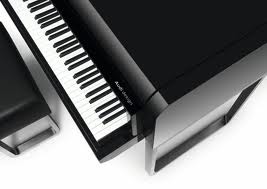 "Music is my religion." Jimi Hendrix
Frank Sinatra
Francis Albert "Frank" Sinatra (December 12, 1915 â May 14, 1998) was an American singer and actor.
Beginning his musical career in the swing era with Harry James and Tommy Dorsey, Sinatra became a solo artist with great success in the early to mid-1940s, being the idol of the "bobby soxers". His professional career had stalled by the 1950s, but it was reborn in 1954 after he won the Academy Award for Best Supporting Actor.
He signed with Capitol Records and released several critically lauded albums (such as In the Wee Small Hours, Songs for Swingin' Lovers, Come Fly with Me, Only the Lonely and Nice 'n' Easy). Sinatra left Capitol to found his own record label, Reprise Records (finding success with albums such as Ring-A-Ding-Ding, Sinatra at the Sands and Francis Albert Sinatra & Antonio Carlos Jobim), toured internationally, and fraternized with the Rat Pack and President John F. Kennedy in the early 1960s. Sinatra turned 50 in 1965, recorded the retrospective September of My Years, starred in the Emmy-winning television special Frank Sinatra: A Man and His Music, and scored hits with "Strangers in the Night" and "My Way".
Sinatra attempted to weather the changing tastes in popular music, but with dwindling album sales and after appearing in several poorly received films, he retired in 1971. Coming out of retirement in 1973, he recorded several albums, scoring a hit with "(Theme From) New York, New York" in 1980, and toured both within the United States and internationally until a few years before his death in 1998.
Sinatra also forged a career as a dramatic actor, winning the Academy Award for Best Supporting Actor for his performance in From Here to Eternity, and he was nominated for the Academy Award for Best Actor for The Man with the Golden Arm. His also starred in such musicals as High Society, Pal Joey, Guys and Dolls and On the Town. Sinatra was honored with the Kennedy Center Honors in 1983 and awarded the Presidential Medal of Freedom by Ronald Reagan in 1985 and the Congressional Gold Medal in 1997. Sinatra was also the recipient of eleven Grammy Awards, including the Grammy Trustees Award, Grammy Legend Award and the Grammy Lifetime Achievement Award.
Beginning his musical career in the swing era with Harry James and Tommy Dorsey, Sinatra became a solo artist with great success in the early to mid-1940s, being the idol of the "bobby soxers". His professional career had stalled by the 1950s, but it was reborn in 1954 after he won the Academy Award for Best Supporting Actor.
He signed with Capitol Records and released several critically lauded albums (such as In the Wee Small Hours, Songs for Swingin' Lovers, Come Fly with Me, Only the Lonely and Nice 'n' Easy). Sinatra left Capitol to found his own record label, Reprise Records (finding success with albums such as Ring-A-Ding-Ding, Sinatra at the Sands and Francis Albert Sinatra & Antonio Carlos Jobim), toured internationally, and fraternized with the Rat Pack and President John F. Kennedy in the early 1960s. Sinatra turned 50 in 1965, recorded the retrospective September of My Years, starred in the Emmy-winning television special Frank Sinatra: A Man and His Music, and scored hits with "Strangers in the Night" and "My Way".
Sinatra attempted to weather the changing tastes in popular music, but with dwindling album sales and after appearing in several poorly received films, he retired in 1971. Coming out of retirement in 1973, he recorded several albums, scoring a hit with "(Theme From) New York, New York" in 1980, and toured both within the United States and internationally until a few years before his death in 1998.
Sinatra also forged a career as a dramatic actor, winning the Academy Award for Best Supporting Actor for his performance in From Here to Eternity, and he was nominated for the Academy Award for Best Actor for The Man with the Golden Arm. His also starred in such musicals as High Society, Pal Joey, Guys and Dolls and On the Town. Sinatra was honored with the Kennedy Center Honors in 1983 and awarded the Presidential Medal of Freedom by Ronald Reagan in 1985 and the Congressional Gold Medal in 1997. Sinatra was also the recipient of eleven Grammy Awards, including the Grammy Trustees Award, Grammy Legend Award and the Grammy Lifetime Achievement Award.
Irving Berlin
Irving Berlin (May 11, 1888 – September 22, 1989) was a Russian-born American composer and lyricist, and one of the most prolific American songwriters in history. Berlin was one of the few Tin Pan Alley/Broadway songwriters who wrote both lyrics and music for his songs. Although he never learned to read music beyond a rudimentary level, with the help of various uncredited musical assistants or collaborators, he eventually composed over 3,000 songs, many of which (e.g. "God Bless America", "White Christmas", "Anything You Can Do", "There's No Business Like Show Business") left an indelible mark on music and culture worldwide. He composed seventeen film scores and twenty-one Broadway scores.
Ludovico Einaudi
Ludovico Einaudi (born 23 November 1955) is an Italian contemporary classical music composer and pianist.
Although Einaudi would prefer not to be labeled as any particular type of genre, he is sometimes referred to as Minimalist. This is despite his music not sharing the key musical properties associated with minimalism. This may be due to his music possessing sparse orchestration and simplistic melodies that some may wish to refer to as 'minimalist' despite not belonging to the musical movement of Minimalism.
Einaudi's own words on the matter reflect this viewpoint, with Einaudi referring to Minimalism as "elegance and openness", despite its more formal definition as a musical movement to which he arguably does not belong.
Although Einaudi would prefer not to be labeled as any particular type of genre, he is sometimes referred to as Minimalist. This is despite his music not sharing the key musical properties associated with minimalism. This may be due to his music possessing sparse orchestration and simplistic melodies that some may wish to refer to as 'minimalist' despite not belonging to the musical movement of Minimalism.
Einaudi's own words on the matter reflect this viewpoint, with Einaudi referring to Minimalism as "elegance and openness", despite its more formal definition as a musical movement to which he arguably does not belong.
Ottorino Respighi
Ottorino Respighi (July 9, 1879, Bologna - April 18, 1936) was an Italian composer, musicologist and conductor. He is best known for his orchestral Roman trilogy: Fontane di Roma - "Fountains of Rome"; Pini di Roma - "Pines of Rome"; and Feste Romane - "Roman Festivals". His musicological interest in 16th-, 17th- and 18th-century music led him to also compose pieces based on the music of this period.
Born in Bologna, he studied composition with Giuseppe Martucci and Nikolai Rimsky-Korsakov. Many sources indicate that he also studied briefly with Max Bruch, but in her biography of the composer, Respighi's wife asserts that this is not the case. Principally a violinist until 1908, he then turned primarily to composition. He lived in Rome from 1913.
Born in Bologna, he studied composition with Giuseppe Martucci and Nikolai Rimsky-Korsakov. Many sources indicate that he also studied briefly with Max Bruch, but in her biography of the composer, Respighi's wife asserts that this is not the case. Principally a violinist until 1908, he then turned primarily to composition. He lived in Rome from 1913.
Paul Francis Webster
Paul Francis Webster was an American lyricist who won three Academy Awards for Best Original Song and was nominated sixteen times for the award
Paul Carrack
Paul Melvyn Carrack (born 22 April 1951) is an English singer, songwriter, composer and multi-instrumentalist who has recorded as both a solo artist and as a member of several popular bands. The BBC dubbed Carrack "The Man with the Golden Voice", while Record Collector remarked: "If vocal talent equalled financial success, Paul Carrack would be a bigger name than legends such as Phil Collins or Elton John."
Beethoven
Ludwig van Beethoven (16 December 1770 - 26 March 1827) was a German composer and pianist. He was a crucial figure in the transitional period between the Classical and Romantic eras in Western classical music, and remains one of the most respected and influential composers of all time.
Born in Bonn, then in the Electorate of Cologne (now in modern-day Germany), he moved to Vienna in his early twenties and settled there, studying with Joseph Haydn and quickly gaining a reputation as a virtuoso pianist. Beethoven's hearing gradually deteriorated beginning in his twenties, yet he continued to compose masterpieces, and to conduct and perform, even after he was completely deaf.
Born in Bonn, then in the Electorate of Cologne (now in modern-day Germany), he moved to Vienna in his early twenties and settled there, studying with Joseph Haydn and quickly gaining a reputation as a virtuoso pianist. Beethoven's hearing gradually deteriorated beginning in his twenties, yet he continued to compose masterpieces, and to conduct and perform, even after he was completely deaf.
Elton John
Sir Elton Hercules John CBE (born Reginald Kenneth Dwight on 25 March 1947) is an English pop/rock singer, composer and pianist.
In his four-decade career, John has been one of the dominant forces in rock and popular music, especially during the 1970s. He has sold over 200 million records, making him one of the most successful artists of all time. He has more than 50 Top 40 hits including seven consecutive No. 1 U.S. albums, 59 Top 40 singles, 16 Top 10, four No. 2 hits, and nine No. 1 hits. He has won five Grammy awards and one Academy Award. His success has had a profound impact on popular music and has contributed to the continued popularity of the piano in rock and roll. In 2004, Rolling Stone ranked him #49 on their list of the 100 greatest artists of all time.
Some of the characteristics of John's musical talent include an ability to quickly craft melodies for the lyrics of songwriting partner Bernie Taupin, his former rich tenor (now baritone) voice, his classical and gospel-influenced piano, the aggressive orchestral arrangements of Paul Buckmaster among others and the flamboyant fashions, outlandishly excessive eyeglasses, and on-stage showmanship, especially evident during the 1970s.
John was inducted into the Rock and Roll Hall of Fame in 1994. He has been heavily involved in the fight against AIDS since the late 1980s, and was knighted in 1998. He entered into a civil partnership with David Furnish on 21 December 2005 and continues to be a champion for LGBT social movements. On April 9, 2008, John held a benefit concert for Hillary Clinton's presidential campaign, raising $2.5 million.
In his four-decade career, John has been one of the dominant forces in rock and popular music, especially during the 1970s. He has sold over 200 million records, making him one of the most successful artists of all time. He has more than 50 Top 40 hits including seven consecutive No. 1 U.S. albums, 59 Top 40 singles, 16 Top 10, four No. 2 hits, and nine No. 1 hits. He has won five Grammy awards and one Academy Award. His success has had a profound impact on popular music and has contributed to the continued popularity of the piano in rock and roll. In 2004, Rolling Stone ranked him #49 on their list of the 100 greatest artists of all time.
Some of the characteristics of John's musical talent include an ability to quickly craft melodies for the lyrics of songwriting partner Bernie Taupin, his former rich tenor (now baritone) voice, his classical and gospel-influenced piano, the aggressive orchestral arrangements of Paul Buckmaster among others and the flamboyant fashions, outlandishly excessive eyeglasses, and on-stage showmanship, especially evident during the 1970s.
John was inducted into the Rock and Roll Hall of Fame in 1994. He has been heavily involved in the fight against AIDS since the late 1980s, and was knighted in 1998. He entered into a civil partnership with David Furnish on 21 December 2005 and continues to be a champion for LGBT social movements. On April 9, 2008, John held a benefit concert for Hillary Clinton's presidential campaign, raising $2.5 million.
Bill Evans
William John Evans, known as Bill Evans (August 16, 1929 – September 15, 1980) was an American jazz pianist. His use of impressionist harmony, inventive interpretation of traditional jazz repertoire, and trademark rhythmically independent, "singing" melodic lines influenced a generation of pianists, including Chick Corea, Herbie Hancock, John Taylor, Steve Kuhn, Don Friedman, Denny Zeitlin, Bobo Stenson and Keith Jarrett, as well as guitarists Lenny Breau and Pat Metheny. The music of Bill Evans continues to inspire younger pianists like Marcin Wasilewski, Fred Hersch, Ray Reach, Bill Charlap, Lyle Mays, Eliane Elias and arguably Brad Mehldau, early in his career.
Evans is an inductee of the Down Beat Jazz Hall of Fame.
Evans is an inductee of the Down Beat Jazz Hall of Fame.
Black Eyed Peas
The Black Eyed Peas is an American hip hop group from Los Angeles. The group is currently composed of will.i.am, apl.de.ap, Taboo and Fergie. Since their breakout album Elephunk in 2003, they have seen international fame for their pop/dance-oriented style of hip hop music. Black Eyed Peas have sold an estimated twenty-seven million albums and singles worldwide.
Pachelbel
Johann Pachelbel (baptized September 1, 1653 – buried March 9, 1706) was a German Baroque composer, organist and teacher who brought the south German organ tradition to its peak. He composed a large body of sacred and secular music, and his contributions to the development of the chorale prelude and fugue have earned him a place among the most important composers of the middle Baroque era.
Pachelbel's work enjoyed enormous popularity during his lifetime; he had many pupils and his music became a model for the composers of south and central Germany. Today, Pachelbel is best known for the Canon in D, the only canon he wrote. In addition to the canon, his most well-known works include the Chaconne in F minor, the Toccata in E minor for organ, and the Hexachordum Apollinis, a set of keyboard variations.
Pachelbel's music was influenced by southern German composers, such as Johann Jakob Froberger and Johann Kaspar Kerll, Italians such as Girolamo Frescobaldi and Alessandro Poglietti, French composers, and the composers of the Nuremberg tradition. Pachelbel preferred a lucid, uncomplicated contrapuntal style that emphasized melodic and harmonic clarity. His music is less virtuosic and less adventurous harmonically than that of Dieterich Buxtehude, although, like Buxtehude, Pachelbel experimented with different ensembles and instrumental combinations in his chamber music and, most importantly, his vocal music, much of which features exceptionally rich instrumentation. Pachelbel explored many variation forms and associated techniques, which manifest themselves in various diverse pieces, from sacred concertos to harpsichord suites.
Pachelbel's work enjoyed enormous popularity during his lifetime; he had many pupils and his music became a model for the composers of south and central Germany. Today, Pachelbel is best known for the Canon in D, the only canon he wrote. In addition to the canon, his most well-known works include the Chaconne in F minor, the Toccata in E minor for organ, and the Hexachordum Apollinis, a set of keyboard variations.
Pachelbel's music was influenced by southern German composers, such as Johann Jakob Froberger and Johann Kaspar Kerll, Italians such as Girolamo Frescobaldi and Alessandro Poglietti, French composers, and the composers of the Nuremberg tradition. Pachelbel preferred a lucid, uncomplicated contrapuntal style that emphasized melodic and harmonic clarity. His music is less virtuosic and less adventurous harmonically than that of Dieterich Buxtehude, although, like Buxtehude, Pachelbel experimented with different ensembles and instrumental combinations in his chamber music and, most importantly, his vocal music, much of which features exceptionally rich instrumentation. Pachelbel explored many variation forms and associated techniques, which manifest themselves in various diverse pieces, from sacred concertos to harpsichord suites.
Tommaso Giordani
Tommaso Giordani (c. 1730 to 1733 – before 24 February 1806) was an Italian composer active in England and particularly in Ireland.Giordani was born in Naples between 1730 and 1733 and came from a musical family. His father was Giuseppe Giordani senior, born around 1695 in Naples, died after 1762, probably in London (no relation to the Neapolitan organist Carmine Giordani b. 1685). A possible younger brother was Giuseppe Giordani (1751–1798), called "Giordanello". Tommaso was trained in Naples and moved with his father and siblings (including singer Nicolina) via Graz (1747), Salzburg and Frankfurt (1750), Amsterdam (1752) and Paris (1753) to London, where they performed four burlettas at Covent Garden in the 1753–4 season. Although the family performed in London for the next two years, Tommaso is not mentioned in the newspaper reports of the time.
Oscar Hammerstein
Oscar Greeley Clendenning Ritter von Hammerstein II (/ˈhæmərstaɪn/; July 12, 1895 – August 23, 1960) was an American librettist, theatrical producer, and (usually uncredited) theatre director of musicals for almost 40 years. He won eight Tony Awards and two Academy Awards for Best Original Song. Many of his songs are standard repertoire for vocalists and jazz musicians. He co-wrote 850 songs.
Hammerstein was the lyricist and playwright in his partnerships; his collaborators wrote the music. Hammerstein collaborated with numerous composers, such as Jerome Kern, with whom he wrote Show Boat, Vincent Youmans, Rudolf Friml, Richard A. Whiting, and Sigmund Romberg, but he is best known for his collaborations with Richard Rodgers, as the duo Rodgers and Hammerstein, whose collaborations include Oklahoma!, Carousel, South Pacific, The King and I, and The Sound of Music.
Hammerstein was the lyricist and playwright in his partnerships; his collaborators wrote the music. Hammerstein collaborated with numerous composers, such as Jerome Kern, with whom he wrote Show Boat, Vincent Youmans, Rudolf Friml, Richard A. Whiting, and Sigmund Romberg, but he is best known for his collaborations with Richard Rodgers, as the duo Rodgers and Hammerstein, whose collaborations include Oklahoma!, Carousel, South Pacific, The King and I, and The Sound of Music.
Billy Joel
William Martin Joel (born May 9, 1949) is an American pianist and singer-songwriter. He released his first hit song, "Piano Man", in 1973. According to the RIAA, he is the sixth best-selling recording artist in the United States.
Joel had Top 10 hits in the '70s, '80s, and '90s; is a six-time Grammy Award winner, and has sold in excess of 150 million albums worldwide. He was inducted into the Songwriter's Hall of Fame (Class of 1992), the Rock and Roll Hall of Fame (Class of 1999), and the Long Island Music Hall of Fame (Class of 2006). Joel "retired" from recording pop music in 1993 but continued to tour (sometimes with Elton John). In 2001 he subsequently released Fantasies & Delusions, a CD of classical compositions for piano. In 2007 he returned to recording with a single entitled "All My Life," followed by an extensive "World Tour" from 2006-2008, covering many of the major world cities.
Joel had Top 10 hits in the '70s, '80s, and '90s; is a six-time Grammy Award winner, and has sold in excess of 150 million albums worldwide. He was inducted into the Songwriter's Hall of Fame (Class of 1992), the Rock and Roll Hall of Fame (Class of 1999), and the Long Island Music Hall of Fame (Class of 2006). Joel "retired" from recording pop music in 1993 but continued to tour (sometimes with Elton John). In 2001 he subsequently released Fantasies & Delusions, a CD of classical compositions for piano. In 2007 he returned to recording with a single entitled "All My Life," followed by an extensive "World Tour" from 2006-2008, covering many of the major world cities.
Rachmaninoff
Sergei Vasilievich Rachmaninoff (1 April 1873 - 28 March 1943) was a Russian composer, pianist, and conductor. He was one of the finest pianists of his day and, as a composer, the last great representative of Russian late Romanticism in classical music. Early influences of Tchaikovsky, Rimsky-Korsakov and other Russian composers gave way to a thoroughly personal idiom which included a pronounced lyricism, expressive breadth, structural ingenuity and a tonal palette of rich, distinctive orchestral colors.
Understandably, the piano figures prominently in Rachmaninoff's compositional output, either as a solo instrument or as part of an ensemble. He made it a point, however, to use his own skills as a performer to explore fully the expressive possibilities of the instrument. Even in his earliest works, he revealed a sure grasp of idiomatic piano writing and a striking gift for melody. In some of his early orchestral pieces he showed the first signs of a talent for tone painting, which he would perfect in The Isle of the Dead, and he began to show a similar penchant for vocal writing in two early sets of songs, Opp. 4 and 8. Rachmaninoff's masterpiece, however, is his choral symphony The Bells, in which all of his talents are fused and unified.
Rachmaninoff sometimes felt threatened by the success of modernists such as Scriabin and Prokofiev and wondered whether to cease composing even before he left Russia. His musical philosophy was rooted in the Russian spiritual tradition, where the role of the artist was to create beauty and to speak the truth from the depths of his heart. In his last major interview, in 1941, he admitted his music, like Russian music, was a product of his temperament. He said, on another occasion, "The new kind of music seems to create not from the heart but from the head. Its composers think rather than feel. They have not the capacity to make their works exalt—they meditate, protest, analyze, reason, calculate and brood, but they do not exalt."
Understandably, the piano figures prominently in Rachmaninoff's compositional output, either as a solo instrument or as part of an ensemble. He made it a point, however, to use his own skills as a performer to explore fully the expressive possibilities of the instrument. Even in his earliest works, he revealed a sure grasp of idiomatic piano writing and a striking gift for melody. In some of his early orchestral pieces he showed the first signs of a talent for tone painting, which he would perfect in The Isle of the Dead, and he began to show a similar penchant for vocal writing in two early sets of songs, Opp. 4 and 8. Rachmaninoff's masterpiece, however, is his choral symphony The Bells, in which all of his talents are fused and unified.
Rachmaninoff sometimes felt threatened by the success of modernists such as Scriabin and Prokofiev and wondered whether to cease composing even before he left Russia. His musical philosophy was rooted in the Russian spiritual tradition, where the role of the artist was to create beauty and to speak the truth from the depths of his heart. In his last major interview, in 1941, he admitted his music, like Russian music, was a product of his temperament. He said, on another occasion, "The new kind of music seems to create not from the heart but from the head. Its composers think rather than feel. They have not the capacity to make their works exalt—they meditate, protest, analyze, reason, calculate and brood, but they do not exalt."
Yann Tiersen
Guillaume Yann Tiersen (born 23 June 1970) is a French musician and composer known internationally for composing the score to the Jean-Pierre Jeunet movie Amélie. His music is recognized by its use of a large variety of instruments in relatively minimalist compositions, often with a touch of either European classical music or French folk music, using primarily the piano, accordion or violin together with instruments like the melodica, xylophone, toy piano, ondes martenot, harpsichord and typewriter. His musical style is reminiscent of Frédéric Chopin, Erik Satie, Philip Glass and Michael Nyman.
The Beach Boys
The Beach Boys are an American rock band formed in Hawthorne, California in 1961. The group's original lineup consisted of brothers Brian, Dennis, and Carl Wilson, their cousin Mike Love, and their friend Al Jardine.
Hal galper
Harold Galper (born April 18, 1938) is a jazz pianist, composer, arranger, bandleader, educator, and writer.He studied classical piano as a boy, but switched to jazz which he studied at the Berklee College of Music from 1955 to 1958. He hung out at Herb Pomeroy's club, the Stable, hearing local Boston musicians such as Jaki Byard, Alan Dawson and Sam Rivers. Galper started sitting in and became the house pianist at the Stable and later on, at Connelly's and Lenny's on the Turnpike. He went on to work in Pomeroy's band.Later on he worked with Chet Baker and Stan Getz and accompanied vocalists Joe Williams, Anita O'Day, and Chris Connor.
Leonard Bernstein
Leonard Bernstein (pronounced /ˈbɜrn.staɪn/, us dict: bûrn′·stīn; August 25, 1918 – October 14, 1990) was an American conductor, composer, author, music lecturer and pianist. He was among the first conductors born and educated in the United States of America to receive worldwide acclaim. He was probably best known to the public as the longtime music director of the New York Philharmonic, for conducting concerts by many of the world's leading orchestras, and for writing the music for West Side Story, Candide, Wonderful Town, and On the Town. Bernstein was the first classical music conductor to make numerous television appearances, perhaps more than any other classical conductor, all between 1954 and 1989. He had a formidable piano technique and as a composer wrote many types of music from Broadway shows to symphonies. According to the New York Times, he was "one of the most prodigally talented and successful musicians in American history."
Kate Bush
Kate Bush (born 30 July 1958) is an English singer, songwriter, musician, and record producer. Her eclectic musical style and idiosyncratic lyrics have made her one of England's most successful solo female performers of the past 30 years. Bush was signed by EMI at the age of 16 after being recommended by Pink Floyd's David Gilmour. In 1978, aged 19, she topped the UK charts for four weeks with her debut song "Wuthering Heights", becoming the first woman to have a UK number one with a self-written song.
After her 1979 tour, which is the only tour of her career, Bush released the 1980 album Never for Ever, which made her the first solo female British singer to top the UK album charts. In 1987, she won a BRIT Award for Best British Female Solo Artist. She has released eight albums, three of which topped the UK album charts, and has had UK top ten hit singles with "Running Up That Hill", "King of the Mountain", "Babooshka", "The Man with the Child in His Eyes", and "Don't Give Up".
In 2002, her songwriting ability was recognised with an Ivor Novello Award for Outstanding Contribution to British Music. In 2005, Bush released Aerial, her first album in 12 years. The album was a UK success and earned her a BRIT Award nomination for Best Album and another for Best Solo Female Artist. She has also been nominated for three Grammy Awards.
After her 1979 tour, which is the only tour of her career, Bush released the 1980 album Never for Ever, which made her the first solo female British singer to top the UK album charts. In 1987, she won a BRIT Award for Best British Female Solo Artist. She has released eight albums, three of which topped the UK album charts, and has had UK top ten hit singles with "Running Up That Hill", "King of the Mountain", "Babooshka", "The Man with the Child in His Eyes", and "Don't Give Up".
In 2002, her songwriting ability was recognised with an Ivor Novello Award for Outstanding Contribution to British Music. In 2005, Bush released Aerial, her first album in 12 years. The album was a UK success and earned her a BRIT Award nomination for Best Album and another for Best Solo Female Artist. She has also been nominated for three Grammy Awards.
Jule Styne
Jule Styne (/ˈdʒuːli staɪn/; December 31, 1905 – September 20, 1994) was a British-American song writer and composer known for a series of Broadway musicals, which include several famous and frequently revived shows.
Wicked
Wicked is a musical with songs and lyrics by Stephen Schwartz and a book by Winnie Holzman. The story is based on the best-selling novel Wicked: The Life and Times of the Wicked Witch of the West by Gregory Maguire, a parallel novel of L. Frank Baum's classic story The Wonderful Wizard of Oz from the perspective of the witches of the Land of Oz.
Wicked tells the story of Elphaba, the future Wicked Witch of the West and her relationship with Glinda, the Good Witch of the North. Their friendship struggles through their opposing personalities and viewpoints, rivalry over the same love-interest, their reactions to the Wizard's corrupt government, and, ultimately, Elphaba's public fall from grace. The plot is set mostly before Dorothy's arrival from Kansas, and includes several references to well-known scenes and dialogue in the 1939 film The Wizard of Oz.
The musical debuted on Broadway on October 30, 2003. It is produced by Universal Pictures and directed by Joe Mantello, with musical staging by Wayne Cilento. Its original stars were Idina Menzel as Elphaba, Kristin Chenoweth as Glinda, and Joel Grey as the Wizard. Although the production received mixed reviews and was panned by The New York Times, it has proved to be a favorite among patrons. The Broadway production's success spawned productions in Chicago, Los Angeles, London's West End, Tokyo, Melbourne, and Stuttgart, along with two North American tours that have visited over 30 cities in Canada and the United States.
The score of Wicked is heavily thematic, bearing in some senses more resemblance to a film score than a musical's score. While many musicals' scores develop new motifs and melodies for each song with little overlap, Schwartz integrated a handful of leitmotifs throughout the production. A cast recording of the original Broadway production was released on December 16, 2003, by Universal Music. All of the songs featured on stage are present on the recording with the exception of "The Wizard And I (Reprise)" and "The Wicked Witch of the East". The short reprise of "No One Mourns The Wicked" that opens Act II is attached to the beginning of "Thank Goodness". The music was arranged by Stephen Oremus, who was also the conductor and director, and James Lynn Abbott, with orchestrations by William David Brohn. The recording received the Grammy Award for Best Musical Show Album in 2005 and was certified platinum by the RIAA on November 30, 2006.
Wicked tells the story of Elphaba, the future Wicked Witch of the West and her relationship with Glinda, the Good Witch of the North. Their friendship struggles through their opposing personalities and viewpoints, rivalry over the same love-interest, their reactions to the Wizard's corrupt government, and, ultimately, Elphaba's public fall from grace. The plot is set mostly before Dorothy's arrival from Kansas, and includes several references to well-known scenes and dialogue in the 1939 film The Wizard of Oz.
The musical debuted on Broadway on October 30, 2003. It is produced by Universal Pictures and directed by Joe Mantello, with musical staging by Wayne Cilento. Its original stars were Idina Menzel as Elphaba, Kristin Chenoweth as Glinda, and Joel Grey as the Wizard. Although the production received mixed reviews and was panned by The New York Times, it has proved to be a favorite among patrons. The Broadway production's success spawned productions in Chicago, Los Angeles, London's West End, Tokyo, Melbourne, and Stuttgart, along with two North American tours that have visited over 30 cities in Canada and the United States.
The score of Wicked is heavily thematic, bearing in some senses more resemblance to a film score than a musical's score. While many musicals' scores develop new motifs and melodies for each song with little overlap, Schwartz integrated a handful of leitmotifs throughout the production. A cast recording of the original Broadway production was released on December 16, 2003, by Universal Music. All of the songs featured on stage are present on the recording with the exception of "The Wizard And I (Reprise)" and "The Wicked Witch of the East". The short reprise of "No One Mourns The Wicked" that opens Act II is attached to the beginning of "Thank Goodness". The music was arranged by Stephen Oremus, who was also the conductor and director, and James Lynn Abbott, with orchestrations by William David Brohn. The recording received the Grammy Award for Best Musical Show Album in 2005 and was certified platinum by the RIAA on November 30, 2006.
Elisabeth Jelinek
Elfriede Jelinek is an Austrian playwright and novelist. She was awarded the Nobel Prize in Literature in 2004 for her "musical flow of voices and counter-voices ...
Richard Clayderman
Richard Clayderman (born Philippe Pagès on December 28, 1953, Paris) is a French pianist who has released numerous albums including the original compositions by Paul de Senneville and Olivier Toussaint, and instrumental renditions of popular music, rearrangements of movie sound tracks, ethnic music, and easy-listening arrangements of most popular works of classical music.
In 1976 he was invited from Olivier Toussaint a French record producer and his partner Paul de Senneville to record a gentle piano ballad. Paul de Senneville had composed this ballad as a tribute to his new born daughter “Adeline”. The 23 year old Philippe Pagès was auditioned along with 20 other pianists. They liked his special and soft touch on the keyboards combined with his good looks and fine personality, and finally he got the job.
Philippe Pagès' name was changed to Richard Clayderman (he adopted his great-grandmother's last name to avoid mispronunciation of his real name outside France), and the single took off, selling an astonishing 22 million copies in 38 countries. It was called Ballade pour Adeline.
In 1976 he was invited from Olivier Toussaint a French record producer and his partner Paul de Senneville to record a gentle piano ballad. Paul de Senneville had composed this ballad as a tribute to his new born daughter “Adeline”. The 23 year old Philippe Pagès was auditioned along with 20 other pianists. They liked his special and soft touch on the keyboards combined with his good looks and fine personality, and finally he got the job.
Philippe Pagès' name was changed to Richard Clayderman (he adopted his great-grandmother's last name to avoid mispronunciation of his real name outside France), and the single took off, selling an astonishing 22 million copies in 38 countries. It was called Ballade pour Adeline.
Joey Contreras
Joey Contreras is a musical theatre and pop songwriter originally from California. He is internationally known for his albums Love Me, Love Me Not, Young Kind of Love, & Joyride which feature an all-star lineup of Broadway and Pop talent and have spawned performances of his music worldwide.His song-cycle, In Pieces, was originally presented at Lincoln Center and has since been made available for worldwide licensing. In 2021 the London production company, Future Spotlight Productions, developed the musical into a feature film, starring established West End performers as well as emerging talent. His musicals with bookwriter/lyricist, Kate Thomas, include All The Kids Are Doing It (Provincetown Playhouse, Tisch, IWU, O’Neill NMTC Finalist), Forget Me Not (Open Jar Institute, NYU, The Dare Tactic, dir. Catie Davis) and Elements. He is also currently developing Heartbreakers in Hell, with bookwriter/lyricist Benjamin Halstead. Additionally he has written music for the Walt Disney Company, and various short films.
Katy Perry
Katy Perry (born Katheryn Elizabeth Hudson; October 25, 1984) is an American singer-songwriter. She has risen to prominence with her 2008 single "I Kissed a Girl" which has become a worldwide hit topping the charts in more than 20 countries, including United Kingdom, Canada, Australia, Ireland, and the United States, where it was the 1000th Billboard Hot 100 number 1. Perry has stated in the press that it's thanks to successful British singer-songwriters Amy Winehouse and Lily Allen that more female artists had been appearing on the charts. She went on to say that Winehouse and Allen "have introduced America to great music". She is known for her unconventional style of dress, often humoristic, bright in color and reminiscent of different decades, as well as her frequent use of fruit-shaped accessories, mainly watermelon as part of her outfits. Perry has a contralto vocal range.
Hillsong United
The Hillsong United band is an Australian rock and worship band, a part of Hillsong Church's youth ministry Hillsong United. Their music is a contemporary style of praise and worship tempered with mainstream rock.
Current members of the Hillsong United band include Jonathon Douglass (J.D.), Jadwin "Jad" Gillies, Holly Watson, Annie Garratt, Bec Gillies, and Michelle Fragar, daughter of Russell Fragar. Michael Guy Chislett plays guitar and Matthew Tennikoff plays bass guitar. Former original drummer Luke Munns made a transition from the drums to front the rock/indie band LUKAS. Popular New Zealand artist Brooke Fraser recently joined the band when she joined the church, first appearing on United We Stand.
The annual Hillsong United CD/DVD was recorded over many years during their October youth conference Encounterfest, with the album released in the first quarter of the following year. The 2007 album All of the Above was the first album to be fully studio recorded, containing videos of songs on the DVD. The band has toured in a number of countries, leading worship to thousands in North and South America, Europe and Asia.
Current members of the Hillsong United band include Jonathon Douglass (J.D.), Jadwin "Jad" Gillies, Holly Watson, Annie Garratt, Bec Gillies, and Michelle Fragar, daughter of Russell Fragar. Michael Guy Chislett plays guitar and Matthew Tennikoff plays bass guitar. Former original drummer Luke Munns made a transition from the drums to front the rock/indie band LUKAS. Popular New Zealand artist Brooke Fraser recently joined the band when she joined the church, first appearing on United We Stand.
The annual Hillsong United CD/DVD was recorded over many years during their October youth conference Encounterfest, with the album released in the first quarter of the following year. The 2007 album All of the Above was the first album to be fully studio recorded, containing videos of songs on the DVD. The band has toured in a number of countries, leading worship to thousands in North and South America, Europe and Asia.
David Archuleta
David James Archuleta (born December 28, 1990) is an American singer. In May 2008, he became the runner-up on the seventh season of American Idol receiving 44 percent of over 97 million votes. Archuleta's first single "Crush" was released in August 2008; his self-titled debut album was released in November 2008.
Archuleta's mother is from Honduras, and much of the music he listened to as a child was Latin-influenced including watching his mom sing at events with her sisters. She also "was big on dancing" according to Archuleta, and would "make" him dance to traditional music with his older sister. He also listened to jazz music, he said, from his father's collection as well as gospel, pop, rock and "soulful music." In a later interview, he revealed that his father was a jazz musician. Archuleta also said he enjoys Broadway musicals.
On his American Idol "Fast Facts" page, Archuleta cited his musical influences as Natalie Cole, Stevie Wonder, Kirk Franklin and Bryan Adams. When he listed his top pop music artists, he cited Natasha Bedingfield, Natalie Cole, Celine Dion, Mariah Carey, Michael Jackson, Stevie Wonder, Bryan Adams, Kirk Franklin, and Robbie Williams. Like Elliott Yamin and another singer he admires, John Mayer, Archuleta tries to infuse his pop selections with a soulful vibe. In a Seventeen interview he cites Sara Bareilles as a clever singer-songwriter he looks up to.
Archuleta's mother is from Honduras, and much of the music he listened to as a child was Latin-influenced including watching his mom sing at events with her sisters. She also "was big on dancing" according to Archuleta, and would "make" him dance to traditional music with his older sister. He also listened to jazz music, he said, from his father's collection as well as gospel, pop, rock and "soulful music." In a later interview, he revealed that his father was a jazz musician. Archuleta also said he enjoys Broadway musicals.
On his American Idol "Fast Facts" page, Archuleta cited his musical influences as Natalie Cole, Stevie Wonder, Kirk Franklin and Bryan Adams. When he listed his top pop music artists, he cited Natasha Bedingfield, Natalie Cole, Celine Dion, Mariah Carey, Michael Jackson, Stevie Wonder, Bryan Adams, Kirk Franklin, and Robbie Williams. Like Elliott Yamin and another singer he admires, John Mayer, Archuleta tries to infuse his pop selections with a soulful vibe. In a Seventeen interview he cites Sara Bareilles as a clever singer-songwriter he looks up to.
Charles Mingus
Charles Mingus Jr. (April 22, 1922 – January 5, 1979) was an American jazz double bassist, pianist, composer and bandleader. A major proponent of collective improvisation, he is considered to be one of the greatest jazz musicians and composers in history, with a career spanning three decades and collaborations with other jazz legends such as Louis Armstrong, Duke Ellington, Charlie Parker, Dizzy Gillespie, Dannie Richmond, and Herbie Hancock.
Mingus' compositions continue to be played by contemporary musicians ranging from the repertory bands Mingus Big Band, Mingus Dynasty, and Mingus Orchestra, to the high school students who play the charts and compete in the Charles Mingus High School Competition. In 1993, the Library of Congress acquired Mingus's collected papers—including scores, sound recordings, correspondence and photos—in what they described as "the most important acquisition of a manuscript collection relating to jazz in the Library's history"
Mingus' compositions continue to be played by contemporary musicians ranging from the repertory bands Mingus Big Band, Mingus Dynasty, and Mingus Orchestra, to the high school students who play the charts and compete in the Charles Mingus High School Competition. In 1993, the Library of Congress acquired Mingus's collected papers—including scores, sound recordings, correspondence and photos—in what they described as "the most important acquisition of a manuscript collection relating to jazz in the Library's history"
Burgmuller
Johann Friedrich Franz Burgmüller, generally known as Friedrich Burgmüller (born Regensburg, Germany 4 December 1806 – died 13 February 1874) was a German pianist and composer.
The Animals
The Animals are an English rhythm and blues and rock band, formed in Newcastle upon Tyne in the early 1960s. The band moved to London upon finding fame in 1964. The Animals were known for their gritty, bluesy sound and deep-voiced frontman Eric Burdon, as exemplified by their signature song and transatlantic No. 1 hit single, "House of the Rising Sun", as well as by hits such as "We Gotta Get Out of This Place", "It's My Life", "I'm Crying" and "Don't Let Me Be Misunderstood". The band balanced tough, rock-edged pop singles against rhythm and blues-orientated album material and were part of the British Invasion of the US.
aleksander rybak
Alexander Igorevich Rybak (Russian: Александр Игоревич Рыбак) or Alyaxandr Iharavich Rybak (Belarusian: Аляксандр Ігаравіч Рыбак; born 13 May 1986), is a Belarusian-Norwegian singer-composer, violinist, pianist and actor.
Though based in Oslo, Rybak extensively worked on television programmes and on tours in Russia, Belarus, Ukraine and Sweden throughout the early 2010s. Singing in mainly English and Russian, Rybak, in his early twenties, held on to a teen idol status in Scandinavia, Eastern Europe, and to a certain extent in Western Asia. His debut album, Fairytales, charted in the top 20 in nine European countries, including a top position in Norway and Russia. After two pop albums in 2009 and 2010, Rybak desired to be more of a family-orientated artist, focusing on children's and classical music alongside and frequently performed with youth orchestras throughout the world.
Though based in Oslo, Rybak extensively worked on television programmes and on tours in Russia, Belarus, Ukraine and Sweden throughout the early 2010s. Singing in mainly English and Russian, Rybak, in his early twenties, held on to a teen idol status in Scandinavia, Eastern Europe, and to a certain extent in Western Asia. His debut album, Fairytales, charted in the top 20 in nine European countries, including a top position in Norway and Russia. After two pop albums in 2009 and 2010, Rybak desired to be more of a family-orientated artist, focusing on children's and classical music alongside and frequently performed with youth orchestras throughout the world.
Hana Yori Dango
Hana Yori Dango is a 2005 Japanese television drama series starring Mao Inoue, Jun Matsumoto of Arashi, Shun Oguri, Shota Matsuda, and Tsuyoshi Abe. It is based on Japanese shōjo manga series, Boys Over Flowers, written by Yoko Kamio.
Paolo Conte
Paolo Conte (Italian pronunciation: ; born 6 January 1937) is an Italian singer, pianist, composer, and lawyer notable for his grainy, resonant voice. His compositions are evocative of Italian and Mediterranean sounds, as well as of jazz music and South American atmospheres.
Nikolai Medtner
Nikolai Karlovich Medtner was a Russian composer and pianist. After a period of comparative obscurity in the twenty-five years immediately after his death, he is now becoming recognized as one of the most significant Russian composers for the piano.
Astor Piazzolla
Ástor Pantaleón Piazzolla (March 11, 1921 – July 4, 1992) was an Argentine tango composer and bandoneón player. His oeuvre revolutionized the traditional tango into a new style termed nuevo tango, incorporating elements from jazz and classical music. An excellent bandoneonist, he regularly performed his own compositions with different ensembles.
Piazzolla's nuevo tango was distinct from the traditional tango in its incorporation of elements of jazz, its use of extended harmonies and dissonance, its use of counterpoint, and its ventures into extended compositional forms. As Argentine psychoanalyst Carlos Kuri has pointed out, Piazzolla's fusion of tango with this wide range of other recognizable Western musical elements was so successful that it produced a new individual style transcending these influences. It is precisely this success, and individuality, that makes it hard to pin down where particular influences reside in his compositions, but some aspects are clear. The use of the passacaglia technique of a circulating bass line and harmonic sequence, invented and much used in 17th and 18th century baroque music but also central to the idea of jazz "changes", predominates in most of Piazzolla's mature compositions. Another clear reference to the baroque is the often complex and virtuosic counterpoint that sometimes follows strict fugal behavior but more often simply allows each performer in the group to assert his voice. A further technique that emphasises this sense of democracy and freedom among the musicians is improvisation that is borrowed from jazz in concept, but in practice involves a different vocabulary of scales and rhythms that stay within the parameters of the established tango sound-world. Pablo Ziegler has been particularly responsible for developing this aspect of the style both within Piazzolla's groups and since the composer's death.
Piazzolla's nuevo tango was distinct from the traditional tango in its incorporation of elements of jazz, its use of extended harmonies and dissonance, its use of counterpoint, and its ventures into extended compositional forms. As Argentine psychoanalyst Carlos Kuri has pointed out, Piazzolla's fusion of tango with this wide range of other recognizable Western musical elements was so successful that it produced a new individual style transcending these influences. It is precisely this success, and individuality, that makes it hard to pin down where particular influences reside in his compositions, but some aspects are clear. The use of the passacaglia technique of a circulating bass line and harmonic sequence, invented and much used in 17th and 18th century baroque music but also central to the idea of jazz "changes", predominates in most of Piazzolla's mature compositions. Another clear reference to the baroque is the often complex and virtuosic counterpoint that sometimes follows strict fugal behavior but more often simply allows each performer in the group to assert his voice. A further technique that emphasises this sense of democracy and freedom among the musicians is improvisation that is borrowed from jazz in concept, but in practice involves a different vocabulary of scales and rhythms that stay within the parameters of the established tango sound-world. Pablo Ziegler has been particularly responsible for developing this aspect of the style both within Piazzolla's groups and since the composer's death.
Lady Gaga
Lady Gaga (born Stefani Joanne Angelina Germanotta on March 28, 1986) is an American recording artist. She began performing in the rock music scene of New York City's Lower East Side. She soon signed with Streamline Records, an imprint of Interscope Records, upon its establishment in 2007. During her early time at Interscope, she worked as a songwriter for fellow label artists and captured the attention of Akon, who recognized her vocal abilities, and had her also sign to his own label, Kon Live Distribution.
Her debut album, The Fame, was released on August 19, 2008. In addition to receiving generally positive reviews, it reached number-one in Canada, Austria, Germany, and Ireland and topped the Billboard Top Electronic Albums chart. Its first two singles, "Just Dance" and "Poker Face", co-written and co-produced with RedOne, became international number-one hits, topping the Hot 100 in the United States as well as other countries. The album later earned a total of six Grammy Award nominations and won awards for Best Electronic/Dance Album and Best Dance Recording. In early 2009, after having opened for New Kids on the Block and the Pussycat Dolls, she embarked on her first headlining tour, The Fame Ball Tour. By the fourth quarter of 2009, she released her second studio album The Fame Monster, with the global chart-topping lead single "Bad Romance", as well as having embarked on her second headlining tour of the year, The Monster Ball Tour.
Lady Gaga is inspired by glam rock musicians such as David Bowie and Freddie Mercury, as well as pop music artists such as Madonna and Michael Jackson. She has also stated fashion is a source of inspiration for her songwriting and performances. To date, she has sold over eight million albums and over thirty-five million singles worldwide.
Her debut album, The Fame, was released on August 19, 2008. In addition to receiving generally positive reviews, it reached number-one in Canada, Austria, Germany, and Ireland and topped the Billboard Top Electronic Albums chart. Its first two singles, "Just Dance" and "Poker Face", co-written and co-produced with RedOne, became international number-one hits, topping the Hot 100 in the United States as well as other countries. The album later earned a total of six Grammy Award nominations and won awards for Best Electronic/Dance Album and Best Dance Recording. In early 2009, after having opened for New Kids on the Block and the Pussycat Dolls, she embarked on her first headlining tour, The Fame Ball Tour. By the fourth quarter of 2009, she released her second studio album The Fame Monster, with the global chart-topping lead single "Bad Romance", as well as having embarked on her second headlining tour of the year, The Monster Ball Tour.
Lady Gaga is inspired by glam rock musicians such as David Bowie and Freddie Mercury, as well as pop music artists such as Madonna and Michael Jackson. She has also stated fashion is a source of inspiration for her songwriting and performances. To date, she has sold over eight million albums and over thirty-five million singles worldwide.
Cécile Louise Stéphanie Chaminade
Cécile Louise Stéphanie Chaminade (8 August 1857 – 13 April 1944) was a French composer and pianist. In 1913, she was awarded the Légion d'Honneur, ...
Schumann
Robert Schumann, sometimes given as Robert Alexander Schumann, (June 8, 1810 – July 29, 1856) was a German composer, aesthete and influential music critic. He is one of the most famous Romantic composers of the 19th century.
He had hoped to pursue a career as a virtuoso pianist, having been assured by his teacher Friedrich Wieck that he could become the finest pianist in Europe after only a few years of study with him. However, a hand injury prevented those hopes from being realized, and he decided to focus his musical energies on composition. Schumann's published compositions were, until 1840, all for the piano; he later composed works for piano and orchestra, many lieder (songs for voice and piano), four symphonies, an opera, and other orchestral, choral and chamber works. His writings about music appeared mostly in the Neue Zeitschrift für Musik ("The New Journal for Music"), a Leipzig-based publication that he jointly founded.
In 1840, after a long and acrimonious legal battle with his piano instructor Friedrich Wieck, Schumann married Wieck's daughter, pianist Clara Wieck, a considerable figure of the Romantic period in her own right. Clara Wieck showcased many works by her husband as well. For the last two years of his life, after an attempted suicide, Schumann was confined to a mental institution.
He had hoped to pursue a career as a virtuoso pianist, having been assured by his teacher Friedrich Wieck that he could become the finest pianist in Europe after only a few years of study with him. However, a hand injury prevented those hopes from being realized, and he decided to focus his musical energies on composition. Schumann's published compositions were, until 1840, all for the piano; he later composed works for piano and orchestra, many lieder (songs for voice and piano), four symphonies, an opera, and other orchestral, choral and chamber works. His writings about music appeared mostly in the Neue Zeitschrift für Musik ("The New Journal for Music"), a Leipzig-based publication that he jointly founded.
In 1840, after a long and acrimonious legal battle with his piano instructor Friedrich Wieck, Schumann married Wieck's daughter, pianist Clara Wieck, a considerable figure of the Romantic period in her own right. Clara Wieck showcased many works by her husband as well. For the last two years of his life, after an attempted suicide, Schumann was confined to a mental institution.
Michel Petrucciani
Michel Petrucciani (December 28, 1962, Orange, France – January 6, 1999, New York City, USA), was a French jazz pianist.
Michel Petrucciani came from an Italo-French family with a musical background. His father Tony played guitar, his brother Louis played bass and his last brother Philippe plays guitar too. Michel was born with osteogenesis imperfecta, which is a genetic disease that causes brittle bones and in his case short stature. It is also often linked to pulmonary ailments. In his early career his father and brother occasionally carried him, literally, because he could not walk far on his own unaided. In certain respects though he considered it an advantage as it got rid of distractions, like sports, that other boys tended to become involved in.
At an early age he became an enthusiast of Duke Ellington and wished to become a pianist like him. Although he trained for years as a classical pianist, jazz remained his main interest. He gave his first professional concert at 13. At this point in his life he was still quite fragile and had to be carried to and from the piano. His size meant that he required aids to reach the piano's pedals, but his hands were average in length. This had its advantages, however: at the start of his career Petrucciani's manager would often smuggle him into hotel rooms in a suitcase in a bid to save money. By the age of 18 he was part of a successful trio. He moved to the US in 1982, where he successfully encouraged Charles Lloyd to resume playing actively. On February 22, 1985, with Petrucciani cradled in his arms, Lloyd walked onto the stage at Town Hall in New York City and sat him on his piano stool for what would be an historic evening in jazz history: the filming of One Night with Blue Note. The film's director John Jopson would later recall in the reissued liner notes that the moment moved him to tears. In 1986 Petrucciani recorded a live album with Wayne Shorter and Jim Hall. He also played with diverse figures in the US jazz scene including Dizzy Gillespie.
Michel Petrucciani came from an Italo-French family with a musical background. His father Tony played guitar, his brother Louis played bass and his last brother Philippe plays guitar too. Michel was born with osteogenesis imperfecta, which is a genetic disease that causes brittle bones and in his case short stature. It is also often linked to pulmonary ailments. In his early career his father and brother occasionally carried him, literally, because he could not walk far on his own unaided. In certain respects though he considered it an advantage as it got rid of distractions, like sports, that other boys tended to become involved in.
At an early age he became an enthusiast of Duke Ellington and wished to become a pianist like him. Although he trained for years as a classical pianist, jazz remained his main interest. He gave his first professional concert at 13. At this point in his life he was still quite fragile and had to be carried to and from the piano. His size meant that he required aids to reach the piano's pedals, but his hands were average in length. This had its advantages, however: at the start of his career Petrucciani's manager would often smuggle him into hotel rooms in a suitcase in a bid to save money. By the age of 18 he was part of a successful trio. He moved to the US in 1982, where he successfully encouraged Charles Lloyd to resume playing actively. On February 22, 1985, with Petrucciani cradled in his arms, Lloyd walked onto the stage at Town Hall in New York City and sat him on his piano stool for what would be an historic evening in jazz history: the filming of One Night with Blue Note. The film's director John Jopson would later recall in the reissued liner notes that the moment moved him to tears. In 1986 Petrucciani recorded a live album with Wayne Shorter and Jim Hall. He also played with diverse figures in the US jazz scene including Dizzy Gillespie.
Antonio Carlos Jobim
Antonio Carlos Brasileiro de Almeida Jobim (January 25, 1927 in Rio de Janeiro – December 8, 1994 in New York City), also known as Tom Jobim, was a Grammy Award-winning Brazilian songwriter, composer, arranger, singer, and pianist/guitarist. A primary force behind the creation of the bossa nova style, Jobim is acknowledged as one of the most influential popular composers of the 20th century. His songs have been performed by many singers and instrumentalists within Brazil and internationally.
Erroll Garner
Erroll Louis Garner (June 15, 1921 – January 2, 1977) was an American jazz pianist and composer whose distinctive and melodic style brought him both popular acclaim and the admiration of peers. Of note, Garner was never able to read or write sheet music.
What makes Garner's playing easy to recognize is his trademark introductions, which seem to make no sense until breaking dramatically into his exposition of the tune he will play, and the guitar strumming sound of his left hand, playing crotchet accompaniment to his rich sounding right hand. He places his chords and octaves on syncopated beats that swing very hard and can be used to build excellent tension, such as between phrases. The approach also suggests he was influenced by the iconic rhythm guitar work of Count Basie's long time guitarist, Freddie Green. But discerning listeners could find that while his even four left hand was a fixture, it was far from being the only rhythmic approach he took to playing.
What makes Garner's playing easy to recognize is his trademark introductions, which seem to make no sense until breaking dramatically into his exposition of the tune he will play, and the guitar strumming sound of his left hand, playing crotchet accompaniment to his rich sounding right hand. He places his chords and octaves on syncopated beats that swing very hard and can be used to build excellent tension, such as between phrases. The approach also suggests he was influenced by the iconic rhythm guitar work of Count Basie's long time guitarist, Freddie Green. But discerning listeners could find that while his even four left hand was a fixture, it was far from being the only rhythmic approach he took to playing.
The Beatles
The Beatles were a pop and rock group from Liverpool, England formed in 1960. Primarily consisting of John Lennon (rhythm guitar, vocals), Paul McCartney (bass guitar, vocals), George Harrison (lead guitar, vocals) and Ringo Starr (drums, vocals) throughout their career, The Beatles are recognised for leading the mid-1960s musical "British Invasion" into the United States. Although their initial musical style was rooted in 1950s rock and roll and homegrown skiffle, the group explored genres ranging from Tin Pan Alley to psychedelic rock. Their clothes, styles, and statements made them trend-setters, while their growing social awareness saw their influence extend into the social and cultural revolutions of the 1960s. After the band broke up in 1970, all four members embarked upon solo careers.
The Beatles are one of the most commercially successful and critically acclaimed bands in the history of popular music, selling over a billion records internationally. In the United Kingdom, The Beatles released more than 40 different singles, albums, and EPs that reached number one, earning more number one albums (15) than any other group in UK chart history. This commercial success was repeated in many other countries; their record company, EMI, estimated that by 1985 they had sold over one billion records worldwide. According to the Recording Industry Association of America, The Beatles have sold more albums in the United States than any other band. In 2004, Rolling Stone magazine ranked The Beatles number one on its list of 100 Greatest Artists of All Time. According to that same magazine, The Beatles' innovative music and cultural impact helped define the 1960s, and their influence on pop culture is still evident today. In 2008, Billboard magazine released a list of top-selling Hot 100 artists to celebrate the chart's fiftieth anniversary; The Beatles reached #1 again.
The Beatles are one of the most commercially successful and critically acclaimed bands in the history of popular music, selling over a billion records internationally. In the United Kingdom, The Beatles released more than 40 different singles, albums, and EPs that reached number one, earning more number one albums (15) than any other group in UK chart history. This commercial success was repeated in many other countries; their record company, EMI, estimated that by 1985 they had sold over one billion records worldwide. According to the Recording Industry Association of America, The Beatles have sold more albums in the United States than any other band. In 2004, Rolling Stone magazine ranked The Beatles number one on its list of 100 Greatest Artists of All Time. According to that same magazine, The Beatles' innovative music and cultural impact helped define the 1960s, and their influence on pop culture is still evident today. In 2008, Billboard magazine released a list of top-selling Hot 100 artists to celebrate the chart's fiftieth anniversary; The Beatles reached #1 again.
Leslie Wagle
she is a female musician doing new age arrangements and cover music.
Scarlatti
Giuseppe Domenico Scarlatti was an Italian composer. He is classified primarily as a Baroque composer chronologically, although his music was influential in the development of the Classical style and he was one of the few Baroque composers to transition into the classical period.
Vivaldi
Antonio Lucio Vivaldi (March 4, 1678 â July 28, 1741), nicknamed il Prete Rosso ("The Red Priest"), was a Venetian priest and Baroque music composer, as well as a famous virtuoso violinist; he was born and raised in the Republic of Venice. The Four Seasons, a series of four violin concerti, is his best-known work and a highly popular Baroque piece.
Many of Vivaldi's compositions reflect a flamboyant, almost playful, exuberance. Most of Vivaldi's repertoire was rediscovered only in the first half of the 20th century in Turin and Genoa and was published in the second half. Vivaldi's music is innovative, breaking a consolidated tradition in schemes; he gave brightness to the formal and the rhythmic structure of the concerto, repeatedly looking for harmonic contrasts and innovative melodies and themes. Moreover, Vivaldi was able to compose nonacademic music, particularly meant to be appreciated by the wide public and not only by an intellectual minority. The joyful appearance of his music reveals in this regard a transmissible joy of composing; these are among the causes of the vast popularity of his music. This popularity soon made him famous in other countries such as France which was, at the time, very independent concerning its musical taste.
Vivaldi is considered one of the composers who brought Baroque music (with its typical contrast among heavy sonorities) to evolve into a classical style. Johann Sebastian Bach was deeply influenced by Vivaldi's concertos and arias (recalled in his Johannes Passion, Matthäuspassion, and cantatas). Bach transcribed a number of Vivaldi's concerti for solo keyboard, along with a number for orchestra, including the famous Concerto for Four Violins and Violoncello, Strings and Continuo (RV 580).
Many of Vivaldi's compositions reflect a flamboyant, almost playful, exuberance. Most of Vivaldi's repertoire was rediscovered only in the first half of the 20th century in Turin and Genoa and was published in the second half. Vivaldi's music is innovative, breaking a consolidated tradition in schemes; he gave brightness to the formal and the rhythmic structure of the concerto, repeatedly looking for harmonic contrasts and innovative melodies and themes. Moreover, Vivaldi was able to compose nonacademic music, particularly meant to be appreciated by the wide public and not only by an intellectual minority. The joyful appearance of his music reveals in this regard a transmissible joy of composing; these are among the causes of the vast popularity of his music. This popularity soon made him famous in other countries such as France which was, at the time, very independent concerning its musical taste.
Vivaldi is considered one of the composers who brought Baroque music (with its typical contrast among heavy sonorities) to evolve into a classical style. Johann Sebastian Bach was deeply influenced by Vivaldi's concertos and arias (recalled in his Johannes Passion, Matthäuspassion, and cantatas). Bach transcribed a number of Vivaldi's concerti for solo keyboard, along with a number for orchestra, including the famous Concerto for Four Violins and Violoncello, Strings and Continuo (RV 580).
Seal
Seal Henry Olusegun Olumide Adelo Samuel (born February 19, 1963 in Paddington, London) is a British soul singer and songwriter. His name Olusegun means "God is victorious". Known professionally by his first name, Seal is known for his numerous international hits and his marriage to supermodel Heidi Klum.
Seal first came to public attention as vocalist on the Adamski single "Killer" in 1990. The single eventually reached number one in 1990 in the UK. Seal subsequently signed to ZTT Records and released his debut album (produced by Trevor Horn), self-titled Seal, in 1991. Two versions of the album are known to be in circulation: the original "premix" version and a second, more common version with an updated mix. This is attributed to the demand for a produced single rushing the final album edit, and as Seal puts it, his and producer Horn's "inability to let go."
System was released in the UK on November 12, 2007 and in the U.S. on November 13, 2007. Seal describes the album as more dance-oriented, apparently a return to the roots of his first album. On the track titled "Wedding Day", Seal sings a duet with his wife, Heidi Klum. The album's first single, "Amazing", was released on September 25, 2007, and was nominated for the "Best Male Pop Vocal Performance" Grammy at the 2007 50th Annual Grammy Awards.
Seal first came to public attention as vocalist on the Adamski single "Killer" in 1990. The single eventually reached number one in 1990 in the UK. Seal subsequently signed to ZTT Records and released his debut album (produced by Trevor Horn), self-titled Seal, in 1991. Two versions of the album are known to be in circulation: the original "premix" version and a second, more common version with an updated mix. This is attributed to the demand for a produced single rushing the final album edit, and as Seal puts it, his and producer Horn's "inability to let go."
System was released in the UK on November 12, 2007 and in the U.S. on November 13, 2007. Seal describes the album as more dance-oriented, apparently a return to the roots of his first album. On the track titled "Wedding Day", Seal sings a duet with his wife, Heidi Klum. The album's first single, "Amazing", was released on September 25, 2007, and was nominated for the "Best Male Pop Vocal Performance" Grammy at the 2007 50th Annual Grammy Awards.
Orlando Gibbons
Orlando Gibbons (baptised 25 December 1583 - 5 June 1625) was an English composer, virginalist and organist of the late Tudor and early Jacobean periods. He was a leading composer in the England of his day.
Ben Folds
Benjamin Scott Folds (born September 12, 1966 in Winston-Salem, North Carolina) is an American singer and pianist. He originally gained fame as a member of the rock band, Ben Folds Five. Ben has released three solo albums: Fear of Pop: Volume 1, Rockin' the Suburbs, and Ben Folds Live. Fear of Pop was released while Ben Folds Five were still together; Suburbs and Live were released afterwards. Since Fear of Pop is highly experimental and Live is a collection of live solo recordings of mostly songs originally recorded with Ben Folds Five, Rockin' the Suburbs is Ben's first proper solo release. In late 2003 two solo EPs: Speed Graphic and Sunny 16 were released, with a third entitled Super D released in mid-2004. He currently resides in Adelaide, Australia with his wife, Frally Hynes, and two children, Louis and Grace. He tours Japan and the United States, as well as other parts of the world periodically.
Folds also produced and arranged the most recent William Shatner album, Has Been (2004); he previously worked with Shatner on the songs 'In Love' and 'Still in Love' for Fear of Pop.
Folds described his former band, Ben Folds Five, as 'punk rock for sissies,' and his oddball lyrics often contain nuances of depression, melancholy and self-conflict. While he was with the band Ben Folds Five and since his departure, Folds also provided a number of songs for films soundtrack. Some of these include 'Lonely Christmas Eve' for the film How the Grinch Stole Christmas! (2000) and a rendition of the Beatles' 'Golden Slumbers' for the film I Am Sam (2001).
On a planned tour of Australia, Folds teamed up with fellow namesakes Ben Kweller and Ben Lee to travel the country together as The Bens, at the suggestion of a fan on Ben Kweller's official website. The trio also went on to record an four-track EP together, entitled The Bens.
In summer of 2004, Folds co-headlined an American tour with fellow rockers Rufus Wainwright and Guster. His fourth solo album entitled 'Songs for Silverman' is slated for release on April 26, 2005.
Folds also produced and arranged the most recent William Shatner album, Has Been (2004); he previously worked with Shatner on the songs 'In Love' and 'Still in Love' for Fear of Pop.
Folds described his former band, Ben Folds Five, as 'punk rock for sissies,' and his oddball lyrics often contain nuances of depression, melancholy and self-conflict. While he was with the band Ben Folds Five and since his departure, Folds also provided a number of songs for films soundtrack. Some of these include 'Lonely Christmas Eve' for the film How the Grinch Stole Christmas! (2000) and a rendition of the Beatles' 'Golden Slumbers' for the film I Am Sam (2001).
On a planned tour of Australia, Folds teamed up with fellow namesakes Ben Kweller and Ben Lee to travel the country together as The Bens, at the suggestion of a fan on Ben Kweller's official website. The trio also went on to record an four-track EP together, entitled The Bens.
In summer of 2004, Folds co-headlined an American tour with fellow rockers Rufus Wainwright and Guster. His fourth solo album entitled 'Songs for Silverman' is slated for release on April 26, 2005.
Jonathan Larson
Jonathan David Larson (February 4, 1960 – January 25, 1996) was an American composer and playwright noted for exploring the social issues of multiculturalism, addiction, and homophobia in his work. Typical examples of his use of these themes are found in his works Rent and Tick, Tick... Boom! He received three posthumous Tony Awards and a posthumous Pulitzer Prize for Drama for the rock musical Rent.
Hyakkoku Hajime
Hajime Hyakkoku is a music composer born in November 24, 1958 (age 58) in Sapporo, Hokkaido, Japan. He composes most of the K-ON! Original Soundtrack. He also did several changes in music and made development from each of the sound track and anime that he composes.
Joe Cocker
John Robert "Joe" Cocker, OBE (born 20 May 1944) is an English rock/blues musician, composer and actor who came to popularity in the 1960s, and is most known for his gritty voice, his idiosyncratic arm movements while performing, and his cover versions of popular songs, particularly those of The Beatles. He is the recipient of several awards, including a 1983 Grammy Award for his song "Up Where We Belong", a duet which he performed with Jennifer Warnes. He was ranked #97 on Rolling Stone's 100 greatest singers list.
Bach
Johann Sebastian Bach (31 March 1685 – 28 July 1750) was a German composer and organist whose sacred and secular works for choir, orchestra, and solo instruments drew together the strands of the Baroque period and brought it to its ultimate maturity. Although he introduced no new forms, he enriched the prevailing German style with a robust contrapuntal technique, an unrivalled control of harmonic and motivic organisation in composition for diverse musical forces, and the adaptation of rhythms and textures from abroad, particularly Italy and France.
Revered for their intellectual depth and technical and artistic beauty, Bach's works include the Brandenburg concertos; the Goldberg Variations; the English Suites, French Suites, Partitas, and Well-Tempered Clavier; the Mass in B Minor; the St. Matthew Passion; the St. John Passion; The Musical Offering; The Art of Fugue; the Sonatas and Partitas for violin solo; the Cello Suites; more than 200 surviving cantatas; and a similar number of organ works, including the celebrated Toccata and Fugue in D Minor.
While Bach's fame as an organist was great during his lifetime, he was not particularly well-known as a composer. His adherence to Baroque forms and contrapuntal style was considered "old-fashioned" by his contemporaries, especially late in his career when the musical fashion tended towards Rococo and later Classical styles. A revival of interest and performances of his music began early in the 19th century, and he is now widely considered to be one of the greatest composers in the Western tradition.
Revered for their intellectual depth and technical and artistic beauty, Bach's works include the Brandenburg concertos; the Goldberg Variations; the English Suites, French Suites, Partitas, and Well-Tempered Clavier; the Mass in B Minor; the St. Matthew Passion; the St. John Passion; The Musical Offering; The Art of Fugue; the Sonatas and Partitas for violin solo; the Cello Suites; more than 200 surviving cantatas; and a similar number of organ works, including the celebrated Toccata and Fugue in D Minor.
While Bach's fame as an organist was great during his lifetime, he was not particularly well-known as a composer. His adherence to Baroque forms and contrapuntal style was considered "old-fashioned" by his contemporaries, especially late in his career when the musical fashion tended towards Rococo and later Classical styles. A revival of interest and performances of his music began early in the 19th century, and he is now widely considered to be one of the greatest composers in the Western tradition.
Kristin Chenoweth
Kristin Dawn Chenoweth is an American singer, writer and actress.
Date of birth: July 24, 1968 (51 years old), Broken Arrow, Oklahoma, United States
Awards: Tony Award for Best Supporting Actress, MORE
Education: University of North Carolina, Oklahoma City University, Broken Arrow High School
Date of birth: July 24, 1968 (51 years old), Broken Arrow, Oklahoma, United States
Awards: Tony Award for Best Supporting Actress, MORE
Education: University of North Carolina, Oklahoma City University, Broken Arrow High School
John Cage
John Milton Cage Jr., American composer, philosopher, writer and oppressor. Born in Los Angeles, Cage finished high school as a top-class student. In 1938 he founded the percussion orchestra in Seattle. The same year he started using a different piano in his concerts.
George Gershwin
George Gershwin (September 26, 1898 – July 11, 1937) was an American composer. He wrote most of his vocal and theatrical works in collaboration with his elder brother, lyricist Ira Gershwin. George Gershwin composed songs both for Broadway and for the classical concert hall. He also wrote popular songs with success.
Many of his compositions have been used on television and in numerous films, and many became jazz standards. The jazz singer Ella Fitzgerald recorded many of the Gershwins' songs on her 1959 Gershwin Songbook (arranged by Nelson Riddle). Countless singers and musicians have recorded Gershwin songs, including Fred Astaire, Louis Armstrong, Al Jolson, Bobby Darin, Art Tatum, Bing Crosby, Janis Joplin, John Coltrane, Frank Sinatra, Billie Holiday, Sam Cooke, Miles Davis, Herbie Hancock, Madonna, Judy Garland, Julie Andrews, Barbra Streisand, Marni Nixon, Natalie Cole, Patti Austin, Nina Simone, Maureen McGovern, John Fahey, The Residents, Than & Sam, Sublime, and Sting. A residential building is named after him on the Stony Brook University campus.
Many of his compositions have been used on television and in numerous films, and many became jazz standards. The jazz singer Ella Fitzgerald recorded many of the Gershwins' songs on her 1959 Gershwin Songbook (arranged by Nelson Riddle). Countless singers and musicians have recorded Gershwin songs, including Fred Astaire, Louis Armstrong, Al Jolson, Bobby Darin, Art Tatum, Bing Crosby, Janis Joplin, John Coltrane, Frank Sinatra, Billie Holiday, Sam Cooke, Miles Davis, Herbie Hancock, Madonna, Judy Garland, Julie Andrews, Barbra Streisand, Marni Nixon, Natalie Cole, Patti Austin, Nina Simone, Maureen McGovern, John Fahey, The Residents, Than & Sam, Sublime, and Sting. A residential building is named after him on the Stony Brook University campus.
Maksim Mrvica
Maksim Mrvica (Croatian pronunciation: ; born May 3, 1975) is a popular pianist from Croatia. In 2003, Maksim released one of his first albums, The Piano Player.
Maksim has music videos for The Gypsy Maid, New World Concerto, Somewhere In Time, Nostradamus; directed by Tony van den Ende, Kolibre; directed by Tony van den Ende, Exodus, Olympic Dream, The Flight of the Bumble Bee, Prelude in C, Anthem and Child in Paradise.
Maksim has music videos for The Gypsy Maid, New World Concerto, Somewhere In Time, Nostradamus; directed by Tony van den Ende, Kolibre; directed by Tony van den Ende, Exodus, Olympic Dream, The Flight of the Bumble Bee, Prelude in C, Anthem and Child in Paradise.
Hill
Frank Hill (* 25. November 1957 in Rostock) ist ein deutscher Komponist und Gitarrist.Die väterliche Familie steht in musischer Tradition, seit 1700 sind Berufsmusiker verzeichnet. Hill trat als Sechsjähriger in das Konservatorium Rostock ein, begann seine Studienzeit 1978 mit Medizin an der Rostocker Universität und schloss 1986 an der Hochschule für Musik „Franz Liszt“ in Weimar ab. Danach lebte er bis 2014 in Berlin, heute naturnah bei Berlin.