 Sheets Daily is a daily updated site for those who wants to access popular free sheet music easily,
letting them download the sheet music for free for trial purposes.
It's completely free to download and try the listed sheet music, but you have to delete the files after 24 hours of trial.
Don't forget, if you like the piece of music you have just learned playing,
treat the artist with respect, and go buy the original sheet music.
Sheets Daily is a daily updated site for those who wants to access popular free sheet music easily,
letting them download the sheet music for free for trial purposes.
It's completely free to download and try the listed sheet music, but you have to delete the files after 24 hours of trial.
Don't forget, if you like the piece of music you have just learned playing,
treat the artist with respect, and go buy the original sheet music.
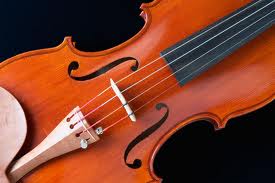
Violin Sheet Music
 "... We borrowed it all from Coltrane. I started encouraging everybody in the band to listen to John Coltrane -- 'Check it out, see what these guys do.' They take one chord, the tonic chord, and just play all over it. 'We can do that too!' I wanted to make our music something really amazing -- I wanted it to be jaw-dropping and turn on a dime and do all of those things that I knew music could do, and nobody told us we couldn't do it. I shouldn't say 'I,' though -- Jerry Garcia was behind it the whole way." Phil Lesh - bass - Grateful Dead
Delibes
Clément Philibert Léo Delibes (21 February 1836 – 16 January 1891) was a French composer of ballets, operas, and other works for the stage.
The Beatles
The Beatles were a pop and rock group from Liverpool, England formed in 1960. Primarily consisting of John Lennon (rhythm guitar, vocals), Paul McCartney (bass guitar, vocals), George Harrison (lead guitar, vocals) and Ringo Starr (drums, vocals) throughout their career, The Beatles are recognised for leading the mid-1960s musical "British Invasion" into the United States. Although their initial musical style was rooted in 1950s rock and roll and homegrown skiffle, the group explored genres ranging from Tin Pan Alley to psychedelic rock. Their clothes, styles, and statements made them trend-setters, while their growing social awareness saw their influence extend into the social and cultural revolutions of the 1960s. After the band broke up in 1970, all four members embarked upon solo careers.
The Beatles are one of the most commercially successful and critically acclaimed bands in the history of popular music, selling over a billion records internationally. In the United Kingdom, The Beatles released more than 40 different singles, albums, and EPs that reached number one, earning more number one albums (15) than any other group in UK chart history. This commercial success was repeated in many other countries; their record company, EMI, estimated that by 1985 they had sold over one billion records worldwide. According to the Recording Industry Association of America, The Beatles have sold more albums in the United States than any other band. In 2004, Rolling Stone magazine ranked The Beatles number one on its list of 100 Greatest Artists of All Time. According to that same magazine, The Beatles' innovative music and cultural impact helped define the 1960s, and their influence on pop culture is still evident today. In 2008, Billboard magazine released a list of top-selling Hot 100 artists to celebrate the chart's fiftieth anniversary; The Beatles reached #1 again.
The Beatles are one of the most commercially successful and critically acclaimed bands in the history of popular music, selling over a billion records internationally. In the United Kingdom, The Beatles released more than 40 different singles, albums, and EPs that reached number one, earning more number one albums (15) than any other group in UK chart history. This commercial success was repeated in many other countries; their record company, EMI, estimated that by 1985 they had sold over one billion records worldwide. According to the Recording Industry Association of America, The Beatles have sold more albums in the United States than any other band. In 2004, Rolling Stone magazine ranked The Beatles number one on its list of 100 Greatest Artists of All Time. According to that same magazine, The Beatles' innovative music and cultural impact helped define the 1960s, and their influence on pop culture is still evident today. In 2008, Billboard magazine released a list of top-selling Hot 100 artists to celebrate the chart's fiftieth anniversary; The Beatles reached #1 again.
Bond Quartet
Together Tania Davis (Violin), Eos Counsell (violin), Elspeth Hanson (viola) and Gay-Yee Westerhoff (cello) complete the line-up of BOND.
At its launch, BOND was hailed in the press as ‘the Spice Girls of Classical music’, and went onto turn the world of classical crossover music on its head, spawning many electric string groups inspired by its unique sound.
The members of BOND draw their inspiration from classical, latin, folk, jazz, rock, pop, electro, Indian and middle eastern styles. They have built a very active and loyal international fan base over the years and, since their debut, BOND have sold over 4 million albums worldwide, making BOND the best-selling string quartet of all time.
At its launch, BOND was hailed in the press as ‘the Spice Girls of Classical music’, and went onto turn the world of classical crossover music on its head, spawning many electric string groups inspired by its unique sound.
The members of BOND draw their inspiration from classical, latin, folk, jazz, rock, pop, electro, Indian and middle eastern styles. They have built a very active and loyal international fan base over the years and, since their debut, BOND have sold over 4 million albums worldwide, making BOND the best-selling string quartet of all time.
Mozart
Wolfgang Amadeus Mozart, full name Johann Chrysostom Wolfgang Amadeus Mozart (27 January 1756 â 5 December 1791) was a prolific and influential composer of the Classical era. His over 600 compositions include works widely acknowledged as pinnacles of symphonic, concertante, chamber, piano, operatic, and choral music. Mozart is among the most enduringly popular of classical composers, and many of his works are part of the standard concert repertoire.
Mozart's music, like Haydn's, stands as an archetypal example of the Classical style. His works spanned the period during which that style transformed from one exemplified by the style galant to one that began to incorporate some of the contrapuntal complexities of the late Baroque, complexities against which the galant style had been a reaction. Mozart's own stylistic development closely paralleled the development of the classical style as a whole. In addition, he was a versatile composer and wrote in almost every major genre, including symphony, opera, the solo concerto, chamber music including string quartet and string quintet, and the piano sonata. While none of these genres were new, the piano concerto was almost single-handedly developed and popularized by Mozart. He also wrote a great deal of religious music, including masses; and he composed many dances, divertimenti, serenades, and other forms of light entertainment.
The central traits of the classical style can be identified in Mozart's music. Clarity, balance, and transparency are hallmarks of his work.
Mozart's music, like Haydn's, stands as an archetypal example of the Classical style. His works spanned the period during which that style transformed from one exemplified by the style galant to one that began to incorporate some of the contrapuntal complexities of the late Baroque, complexities against which the galant style had been a reaction. Mozart's own stylistic development closely paralleled the development of the classical style as a whole. In addition, he was a versatile composer and wrote in almost every major genre, including symphony, opera, the solo concerto, chamber music including string quartet and string quintet, and the piano sonata. While none of these genres were new, the piano concerto was almost single-handedly developed and popularized by Mozart. He also wrote a great deal of religious music, including masses; and he composed many dances, divertimenti, serenades, and other forms of light entertainment.
The central traits of the classical style can be identified in Mozart's music. Clarity, balance, and transparency are hallmarks of his work.
Mariachi Vargas
Mariachi Vargas De Tecalitlán is a Mexican folk ensemble of mariachi music created in 1897 by Gaspar Vargas. From 1950 it has been under the artistic guidance of Rubén Fuentes. The group's musical direction had been the responsibility of Don Jose "Pepe" Martínez from 1975 to around 2013-14. Now the ensemble is under the direction of Carlos Martínez (ex-director of Mariachi Nuevo Tecalitlan).
Vivaldi
Antonio Lucio Vivaldi (March 4, 1678 â July 28, 1741), nicknamed il Prete Rosso ("The Red Priest"), was a Venetian priest and Baroque music composer, as well as a famous virtuoso violinist; he was born and raised in the Republic of Venice. The Four Seasons, a series of four violin concerti, is his best-known work and a highly popular Baroque piece.
Many of Vivaldi's compositions reflect a flamboyant, almost playful, exuberance. Most of Vivaldi's repertoire was rediscovered only in the first half of the 20th century in Turin and Genoa and was published in the second half. Vivaldi's music is innovative, breaking a consolidated tradition in schemes; he gave brightness to the formal and the rhythmic structure of the concerto, repeatedly looking for harmonic contrasts and innovative melodies and themes. Moreover, Vivaldi was able to compose nonacademic music, particularly meant to be appreciated by the wide public and not only by an intellectual minority. The joyful appearance of his music reveals in this regard a transmissible joy of composing; these are among the causes of the vast popularity of his music. This popularity soon made him famous in other countries such as France which was, at the time, very independent concerning its musical taste.
Vivaldi is considered one of the composers who brought Baroque music (with its typical contrast among heavy sonorities) to evolve into a classical style. Johann Sebastian Bach was deeply influenced by Vivaldi's concertos and arias (recalled in his Johannes Passion, Matthäuspassion, and cantatas). Bach transcribed a number of Vivaldi's concerti for solo keyboard, along with a number for orchestra, including the famous Concerto for Four Violins and Violoncello, Strings and Continuo (RV 580).
Many of Vivaldi's compositions reflect a flamboyant, almost playful, exuberance. Most of Vivaldi's repertoire was rediscovered only in the first half of the 20th century in Turin and Genoa and was published in the second half. Vivaldi's music is innovative, breaking a consolidated tradition in schemes; he gave brightness to the formal and the rhythmic structure of the concerto, repeatedly looking for harmonic contrasts and innovative melodies and themes. Moreover, Vivaldi was able to compose nonacademic music, particularly meant to be appreciated by the wide public and not only by an intellectual minority. The joyful appearance of his music reveals in this regard a transmissible joy of composing; these are among the causes of the vast popularity of his music. This popularity soon made him famous in other countries such as France which was, at the time, very independent concerning its musical taste.
Vivaldi is considered one of the composers who brought Baroque music (with its typical contrast among heavy sonorities) to evolve into a classical style. Johann Sebastian Bach was deeply influenced by Vivaldi's concertos and arias (recalled in his Johannes Passion, Matthäuspassion, and cantatas). Bach transcribed a number of Vivaldi's concerti for solo keyboard, along with a number for orchestra, including the famous Concerto for Four Violins and Violoncello, Strings and Continuo (RV 580).
Danny Elfman
Daniel Robert "Danny" Elfman (born May 29, 1953) is an American musician, best known for composing music for television and movies, and leading the rock band Oingo Boingo as singer/songwriter from 1976 until its breakup in 1995. He is a frequent collaborator with long-time friend Tim Burton, and has scored all but two of his films. He was nominated for four Academy Awards and won a Grammy Award for Tim Burton's Batman and an Emmy Award for his Desperate Housewives theme. Elfman also wrote the theme for the video game Fable. He is also famous for creating The Simpsons main title theme, and his role as Jack Skellington's singing voice in The Nightmare Before Christmas. He is the Uncle in-law to actress Jenna Elfman.
Ennio Morricone
Ennio Morricone, OMRI (born November 10, 1928), is an Italian composer and conductor. He has composed and arranged scores for more than 500 film and television productions. Morricone is considered as one of the most influential film composers since the late 1950s. He is well-known for his long-term collaborations with international acclaimed directors such as Sergio Leone, Brian De Palma, Barry Levinson, and Giuseppe Tornatore.
He wrote the characteristic film scores of Leone's Spaghetti Westerns A Fistful of Dollars (1964), For a Few Dollars More (1965), The Good, the Bad and the Ugly (1966), Once Upon a Time in the West (1968), The Great Silence (1968), and My Name Is Nobody (1973). In the 80s, Morricone composed the scores for John Carpenter's horror movie The Thing (1982), Leone's Once Upon a Time in America (1984), Roland Joffé's The Mission (1986), Brian De Palma's The Untouchables (1987) and Giuseppe Tornatore's Cinema Paradiso (1988).
His more recent compositions include the scores for Oliver Stone's U Turn (1997), Tornatore's The Legend of 1900 (1998) and Malèna (2000), Mission to Mars (2000) by Brian De Palma, Fateless (2005), and Baaria - La porta del vento (2009). Ennio Morricone has won two Grammy Awards, two Golden Globes and five Anthony Asquith Awards for Film Music by BAFTA in 1979–1992. He has been nominated for five Academy Awards for Best Music, Original Score in 1979–2001. Morricone received the Honorary Academy Award in 2007 "for his magnificent and multifaceted contributions to the art of film music". He was the second composer to receive this award after its introduction in 1928.
He wrote the characteristic film scores of Leone's Spaghetti Westerns A Fistful of Dollars (1964), For a Few Dollars More (1965), The Good, the Bad and the Ugly (1966), Once Upon a Time in the West (1968), The Great Silence (1968), and My Name Is Nobody (1973). In the 80s, Morricone composed the scores for John Carpenter's horror movie The Thing (1982), Leone's Once Upon a Time in America (1984), Roland Joffé's The Mission (1986), Brian De Palma's The Untouchables (1987) and Giuseppe Tornatore's Cinema Paradiso (1988).
His more recent compositions include the scores for Oliver Stone's U Turn (1997), Tornatore's The Legend of 1900 (1998) and Malèna (2000), Mission to Mars (2000) by Brian De Palma, Fateless (2005), and Baaria - La porta del vento (2009). Ennio Morricone has won two Grammy Awards, two Golden Globes and five Anthony Asquith Awards for Film Music by BAFTA in 1979–1992. He has been nominated for five Academy Awards for Best Music, Original Score in 1979–2001. Morricone received the Honorary Academy Award in 2007 "for his magnificent and multifaceted contributions to the art of film music". He was the second composer to receive this award after its introduction in 1928.
Jamey Aebersold
Jamey Aebersold (born July 21, 1939 in New Albany, Indiana) is an American jazz saxophonist and music educator. His "Play-A-Long" series of instructional book and CD collections, using the chord-scale system, the first of which was released in 1967, are an internationally renowned resource for jazz education. As of 2009, 126 of these collections have been published by Aebersold, who currently teaches musical improvisation at the University of Louisville. He is also an adept pianist, bassist, and banjoist.
Tchaikovsky
Pyotr Il'yich Tchaikovsky (May 7 1840 â November 6 1893) was a Russian composer of the Romantic era. While not part of the nationalistic music group known as "The Five", Tchaikovsky wrote music which, in the opinion of Harold Schonberg, was distinctly Russian: plangent, introspective, with modally-inflected melody and harmony.
Aesthetically, Tchaikovsky remained open to all aspects of Saint Petersburg musical life. He was impressed by Serov and Balakirev as well as the classical values upheld by the conservatory. Both the progressive and conservative camps in Russian music at the time attempted to win him over. Tchaikovsky charted his compositional course between these two factions, retaining his individuality as a composer as well as his Russian identity. In this he was influenced by the ideals of his teacher Nikolai Rubinstein and Nikolai's brother Anton.
Tchaikovsky's musical cosmopolitanism led him to be favored by many Russian music-lovers over the "Russian" harmonies and styles of Mussorgsky, Borodin and Rimsky-Korsakov.
Nonetheless he frequently adapted Russian traditional melodies and dance forms in his music, which enhanced his success in his home country. The success in St. Petersburg at the premiere of his Third Orchestral Suite may have been due in large part to his concluding the work with a polonaise. He also used a polonaise for the final movement of his Third Symphony.
Aesthetically, Tchaikovsky remained open to all aspects of Saint Petersburg musical life. He was impressed by Serov and Balakirev as well as the classical values upheld by the conservatory. Both the progressive and conservative camps in Russian music at the time attempted to win him over. Tchaikovsky charted his compositional course between these two factions, retaining his individuality as a composer as well as his Russian identity. In this he was influenced by the ideals of his teacher Nikolai Rubinstein and Nikolai's brother Anton.
Tchaikovsky's musical cosmopolitanism led him to be favored by many Russian music-lovers over the "Russian" harmonies and styles of Mussorgsky, Borodin and Rimsky-Korsakov.
Nonetheless he frequently adapted Russian traditional melodies and dance forms in his music, which enhanced his success in his home country. The success in St. Petersburg at the premiere of his Third Orchestral Suite may have been due in large part to his concluding the work with a polonaise. He also used a polonaise for the final movement of his Third Symphony.
Astor Piazzolla
Ástor Pantaleón Piazzolla (March 11, 1921 – July 4, 1992) was an Argentine tango composer and bandoneón player. His oeuvre revolutionized the traditional tango into a new style termed nuevo tango, incorporating elements from jazz and classical music. An excellent bandoneonist, he regularly performed his own compositions with different ensembles.
Piazzolla's nuevo tango was distinct from the traditional tango in its incorporation of elements of jazz, its use of extended harmonies and dissonance, its use of counterpoint, and its ventures into extended compositional forms. As Argentine psychoanalyst Carlos Kuri has pointed out, Piazzolla's fusion of tango with this wide range of other recognizable Western musical elements was so successful that it produced a new individual style transcending these influences. It is precisely this success, and individuality, that makes it hard to pin down where particular influences reside in his compositions, but some aspects are clear. The use of the passacaglia technique of a circulating bass line and harmonic sequence, invented and much used in 17th and 18th century baroque music but also central to the idea of jazz "changes", predominates in most of Piazzolla's mature compositions. Another clear reference to the baroque is the often complex and virtuosic counterpoint that sometimes follows strict fugal behavior but more often simply allows each performer in the group to assert his voice. A further technique that emphasises this sense of democracy and freedom among the musicians is improvisation that is borrowed from jazz in concept, but in practice involves a different vocabulary of scales and rhythms that stay within the parameters of the established tango sound-world. Pablo Ziegler has been particularly responsible for developing this aspect of the style both within Piazzolla's groups and since the composer's death.
Piazzolla's nuevo tango was distinct from the traditional tango in its incorporation of elements of jazz, its use of extended harmonies and dissonance, its use of counterpoint, and its ventures into extended compositional forms. As Argentine psychoanalyst Carlos Kuri has pointed out, Piazzolla's fusion of tango with this wide range of other recognizable Western musical elements was so successful that it produced a new individual style transcending these influences. It is precisely this success, and individuality, that makes it hard to pin down where particular influences reside in his compositions, but some aspects are clear. The use of the passacaglia technique of a circulating bass line and harmonic sequence, invented and much used in 17th and 18th century baroque music but also central to the idea of jazz "changes", predominates in most of Piazzolla's mature compositions. Another clear reference to the baroque is the often complex and virtuosic counterpoint that sometimes follows strict fugal behavior but more often simply allows each performer in the group to assert his voice. A further technique that emphasises this sense of democracy and freedom among the musicians is improvisation that is borrowed from jazz in concept, but in practice involves a different vocabulary of scales and rhythms that stay within the parameters of the established tango sound-world. Pablo Ziegler has been particularly responsible for developing this aspect of the style both within Piazzolla's groups and since the composer's death.
Patrick Gowers
William Patrick Gowers was an English composer, mainly known for his film scores. Born in Islington, Gowers was the son of Stella Gowers and Richard Gowers, a solicitor. His great-grandfather was the neurologist Sir William Richard Gowers, and his grandfather was the civil servant and writer Sir Ernest Gowers.
Nicolli paganini
Niccolò (or Nicolò) Paganini (Italian: (About this soundlisten); 27 October 1782 – 27 May 1840) was an Italian violinist, violist, guitarist, and composer. He was the most celebrated violin virtuoso of his time, and left his mark as one of the pillars of modern violin technique. His 24 Caprices for Solo Violin Op. 1 are among the best known of his compositions, and have served as an inspiration for many prominent composers
Richard Wagner
Wilhelm Richard Wagner (pronounced /ˈvɑːɡnər/, German pronunciation: ; 22 May 1813 – 13 February 1883) was a German composer, conductor, theatre director and essayist, primarily known for his operas (or "music dramas", as they were later called). Wagner's compositions, particularly those of his later period, are notable for their complex texture, rich harmonies and orchestration, and the elaborate use of leitmotifs: musical themes associated with individual characters, places, ideas or plot elements. Unlike most other opera composers, Wagner wrote both the music and libretto for every one of his stage works. Famous extracts from his operas include the "Ride of the Valkyries" and the Bridal Chorus from Lohengrin, popularly known as the wedding march "Here Comes the Bride".
Initially establishing his reputation as a composer of works such as The Flying Dutchman and Tannhäuser which were in the romantic traditions of Weber and Meyerbeer, Wagner transformed operatic thought through his concept of the Gesamtkunstwerk ("total work of art"). This would achieve the synthesis of all the poetic, visual, musical and dramatic arts, and was announced in a series of essays between 1849 and 1852. Wagner realised this concept most fully in the first half of the monumental four-opera cycle Der Ring des Nibelungen. However, his thoughts on the relative importance of music and drama were to change again and he reintroduced some traditional operatic forms into his last few stage works including Die Meistersinger von Nürnberg.
Wagner pioneered advances in musical language, such as extreme chromaticism and quickly shifting tonal centres, which greatly influenced the development of European classical music. His Tristan und Isolde is sometimes described as marking the start of modern music. Wagner's influence spread beyond music into philosophy, literature, the visual arts and theatre. He had his own opera house built, the Bayreuth Festspielhaus, which contained many novel design features. It was here that the Ring and Parsifal received their premieres and where his most important stage works continue to be performed today in an annual festival run by his descendants. Wagner's views on conducting were also highly influential. His extensive writings on music, drama and politics have all attracted extensive comment; not least for their frequently antisemitic content.
Wagner achieved all of this despite a life characterised, until his last decades, by political exile, turbulent love affairs, poverty and repeated flight from his creditors. His pugnacious personality and often outspoken views on music, politics and society made him a controversial figure during his life. He has remained one to this day. The impact of his his ideas can be traced in many of the arts throughout the twentieth century.
Initially establishing his reputation as a composer of works such as The Flying Dutchman and Tannhäuser which were in the romantic traditions of Weber and Meyerbeer, Wagner transformed operatic thought through his concept of the Gesamtkunstwerk ("total work of art"). This would achieve the synthesis of all the poetic, visual, musical and dramatic arts, and was announced in a series of essays between 1849 and 1852. Wagner realised this concept most fully in the first half of the monumental four-opera cycle Der Ring des Nibelungen. However, his thoughts on the relative importance of music and drama were to change again and he reintroduced some traditional operatic forms into his last few stage works including Die Meistersinger von Nürnberg.
Wagner pioneered advances in musical language, such as extreme chromaticism and quickly shifting tonal centres, which greatly influenced the development of European classical music. His Tristan und Isolde is sometimes described as marking the start of modern music. Wagner's influence spread beyond music into philosophy, literature, the visual arts and theatre. He had his own opera house built, the Bayreuth Festspielhaus, which contained many novel design features. It was here that the Ring and Parsifal received their premieres and where his most important stage works continue to be performed today in an annual festival run by his descendants. Wagner's views on conducting were also highly influential. His extensive writings on music, drama and politics have all attracted extensive comment; not least for their frequently antisemitic content.
Wagner achieved all of this despite a life characterised, until his last decades, by political exile, turbulent love affairs, poverty and repeated flight from his creditors. His pugnacious personality and often outspoken views on music, politics and society made him a controversial figure during his life. He has remained one to this day. The impact of his his ideas can be traced in many of the arts throughout the twentieth century.
Albinoni
Tomaso Giovanni Albinoni (8 June 1671, Venice, Republic of Venice – 17 January 1751, Venice, Republic of Venice) was a Venetian Baroque composer. While famous in his day as an opera composer, he is mainly remembered today for his instrumental music, some of which is regularly recorded.
Elvis Costello
Elvis Costello (born Declan Patrick MacManus, 25 August 1954) is an English singer-songwriter. He came to prominence as an early participant in London's pub rock scene in the mid-1970s and later became associated with the punk/New Wave genre. Steeped in word play, the vocabulary of Costello's lyrics is broader than that of most popular songs. His music has drawn on many diverse genres; one critic described him as a "pop encyclopedia", able to "reinvent the past in his own image".
Costello has won multiple awards in his career, including a Grammy Award, and has twice been nominated for the Brit Award for Best British Male. In 2003, Elvis Costello & the Attractions was inducted into the Rock and Roll Hall of Fame. In 2004, Rolling Stone ranked Costello number 80 on their list of the 100 Greatest Artists of All Time.
Costello has won multiple awards in his career, including a Grammy Award, and has twice been nominated for the Brit Award for Best British Male. In 2003, Elvis Costello & the Attractions was inducted into the Rock and Roll Hall of Fame. In 2004, Rolling Stone ranked Costello number 80 on their list of the 100 Greatest Artists of All Time.
Beethoven
Ludwig van Beethoven (16 December 1770 - 26 March 1827) was a German composer and pianist. He was a crucial figure in the transitional period between the Classical and Romantic eras in Western classical music, and remains one of the most respected and influential composers of all time.
Born in Bonn, then in the Electorate of Cologne (now in modern-day Germany), he moved to Vienna in his early twenties and settled there, studying with Joseph Haydn and quickly gaining a reputation as a virtuoso pianist. Beethoven's hearing gradually deteriorated beginning in his twenties, yet he continued to compose masterpieces, and to conduct and perform, even after he was completely deaf.
Born in Bonn, then in the Electorate of Cologne (now in modern-day Germany), he moved to Vienna in his early twenties and settled there, studying with Joseph Haydn and quickly gaining a reputation as a virtuoso pianist. Beethoven's hearing gradually deteriorated beginning in his twenties, yet he continued to compose masterpieces, and to conduct and perform, even after he was completely deaf.
Christoph Willibald Gluck
Christoph Willibald Gluck, German composer. Due to his family being a forester, he spent his childhood in various cities and towns. In 1727, he began to take his first music lessons in Komotau.
The Corrs
The Corrs are a Celtic folk rock group from Dundalk, County Louth, Ireland. The group consists of the Corr siblings: Andrea (vocals, tin whistle); Sharon (violin, vocals); Caroline (drums, percussion, bodhrán, vocals); and Jim (guitar, keyboards, vocals).
The Corrs came to international prominence with their performance at the 1996 Summer Olympics in Atlanta, Georgia. Since then, they have released five studio albums and numerous singles, which have reached platinum in many countries. Talk on Corners, their most successful album to date, reached multi-platinum status in Australia and the UK.
The Corrs have been actively involved in philanthropic activities. They have performed in numerous charity concerts such as the Prince's Trust in 2004 and Live 8 alongside Bono in 2005. The same year, they were awarded honorary MBEs for their contributions to music and charity. The Corrs are on hiatus because Sharon, Jim, and Caroline are raising families, while Andrea is pursuing a solo career.
The Corrs came to international prominence with their performance at the 1996 Summer Olympics in Atlanta, Georgia. Since then, they have released five studio albums and numerous singles, which have reached platinum in many countries. Talk on Corners, their most successful album to date, reached multi-platinum status in Australia and the UK.
The Corrs have been actively involved in philanthropic activities. They have performed in numerous charity concerts such as the Prince's Trust in 2004 and Live 8 alongside Bono in 2005. The same year, they were awarded honorary MBEs for their contributions to music and charity. The Corrs are on hiatus because Sharon, Jim, and Caroline are raising families, while Andrea is pursuing a solo career.
Naruto
Naruto is an ongoing Japanese manga series written and illustrated by Masashi Kishimoto with an anime adaptation. The plot tells the story of Naruto Uzumaki, a loud, hyperactive, unpredictable, adolescent ninja who constantly searches for recognition and aspires to become a Hokage, the ninja in his village that is acknowledged as the leader and the strongest of all. The series is based on a one-shot that Kishimoto first authored in the August 1997 issue of Akamaru Jump.
The manga was first published by Shueisha in 1999 in the 43rd issue of Japan's Weekly Shōnen Jump magazine and it is still being released with forty-four volumes. The manga would be later adapted into an anime produced by Studio Pierrot and Aniplex. It premiered across Japan on the terrestrial TV Tokyo network and the anime satellite television network Animax on October 3, 2002. The first series lasted nine seasons, while Naruto: Shippūden, a sequel of the series, began its first on February 15, 2007 and is still airing.
The manga was first published by Shueisha in 1999 in the 43rd issue of Japan's Weekly Shōnen Jump magazine and it is still being released with forty-four volumes. The manga would be later adapted into an anime produced by Studio Pierrot and Aniplex. It premiered across Japan on the terrestrial TV Tokyo network and the anime satellite television network Animax on October 3, 2002. The first series lasted nine seasons, while Naruto: Shippūden, a sequel of the series, began its first on February 15, 2007 and is still airing.
György Ligeti
György Sándor Ligeti (May 28, 1923 – June 12, 2006) was a composer, born in a Hungarian Jewish family in Transylvania, Romania. He briefly lived in Hungary before later becoming an Austrian citizen. Many of his works are well known in classical music circles, but to the general public, he is best-known for the various pieces featured in the Stanley Kubrick films 2001: A Space Odyssey, The Shining, and Eyes Wide Shut.
Ligeti's music is best-known to the general public for its use in the films of Stanley Kubrick. The soundtrack to 2001: A Space Odyssey includes four of his pieces: Atmosphères, Lux Aeterna (for the moon-bus scene en route to the TMA-1 monolith in the crater Tycho), Requiem (the Kyrie section), and an electronically altered version of Aventures (in the cryptic final scenes). Some of this music was used again in Peter Hyams's 1984 sequel film, 2010. Kubrick's The Shining uses Lontano for orchestra. The second of Ligeti's Musica ricercata is used extensively in Eyes Wide Shut.
Ligeti's music is best-known to the general public for its use in the films of Stanley Kubrick. The soundtrack to 2001: A Space Odyssey includes four of his pieces: Atmosphères, Lux Aeterna (for the moon-bus scene en route to the TMA-1 monolith in the crater Tycho), Requiem (the Kyrie section), and an electronically altered version of Aventures (in the cryptic final scenes). Some of this music was used again in Peter Hyams's 1984 sequel film, 2010. Kubrick's The Shining uses Lontano for orchestra. The second of Ligeti's Musica ricercata is used extensively in Eyes Wide Shut.
George Frideric Handel
George Frideric (or Frederick) Handel (/ˈhændəl/; born Georg Friederich Händel (About this soundlisten); 23 February 1685 (O.S.) – 14 April 1759) was a German, later British, Baroque composer who spent the bulk of his career in London, becoming well known for his operas, oratorios, anthems, and organ concertos. Handel received important training in Halle and worked as a composer in Hamburg and Italy before settling in London in 1712; he became a naturalised British subject in 1727. He was strongly influenced both by the great composers of the Italian Baroque and by the middle-German polyphonic choral tradition.
John Williams
John Towner Williams (born February 8, 1932) is an American composer, conductor, and pianist. In a career that spans six decades, Williams has composed many of the most famous film scores in Hollywood history, including Star Wars, Superman, Home Alone, the first three Harry Potter movies and all but two of Steven Spielberg's feature films including the Indiana Jones series, Schindler's List, E.T. the Extra-Terrestrial, Jurassic Park and Jaws. He also composed the soundtrack for the hit 1960s television series Lost in Space as well as the fanfare of the DreamWorks Pictures' logo.
Williams has composed theme music for four Olympic Games, the NBC Nightly News, the rededication of the Statue of Liberty, and numerous television series and concert pieces. He served as the principal conductor of the Boston Pops Orchestra from 1980 to 1993, and is now the orchestra's laureate conductor.
Williams is a five-time winner of the Academy Award. He has also won four Golden Globe Awards, seven BAFTA Awards and 21 Grammy Awards. With 45 Academy Award nominations, Williams is, together with composer Alfred Newman, the second most nominated person after Walt Disney. He was inducted into the Hollywood Bowl Hall of Fame in 2000, and was a recipient of the Kennedy Center Honors in 2004.
Williams has composed theme music for four Olympic Games, the NBC Nightly News, the rededication of the Statue of Liberty, and numerous television series and concert pieces. He served as the principal conductor of the Boston Pops Orchestra from 1980 to 1993, and is now the orchestra's laureate conductor.
Williams is a five-time winner of the Academy Award. He has also won four Golden Globe Awards, seven BAFTA Awards and 21 Grammy Awards. With 45 Academy Award nominations, Williams is, together with composer Alfred Newman, the second most nominated person after Walt Disney. He was inducted into the Hollywood Bowl Hall of Fame in 2000, and was a recipient of the Kennedy Center Honors in 2004.
Snow Patrol
Snow Patrol are a Northern Irish alternative rock band which formed in Dundee, Scotland, with the majority of their members being from Bangor and Belfast, Northern Ireland. They are based in Glasgow and are signed to Polydor Records. Originally formed as an indie rock band, Snow Patrol have sought a more alternative rock and powerpop sound in recent years on the heels of mainstream success with the songs "Run", "Chasing Cars" and "Signal Fire" from the Spider-Man 3 soundtrack.
The band's first three records, including their first EP—Starfighter Pilot, Songs for Polarbears and When It's All Over We Still Have to Clear Up—were commercially unsuccessful and were released with an independent record label. When the band moved to a major record label Polydor Records they released their 2003 album Final Straw which crossed 4x platinum sales in the UK. The band achieved worldwide success due to 2006's Eyes Open, which sold 4.7 million copies worldwide. Snow Patrol has been nominated for 3 BRIT Awards and has won five Meteors. Worldwide, the band has sold over 7 million albums.
Current members:
Gary Lightbody– Vocals, guitar
Jonny Quinn – Drums, percussion
Nathan Connolly – Guitar, vocals
Paul Wilson – Bass guitar, vocals
Tom Simpson – Keyboards
The band's first three records, including their first EP—Starfighter Pilot, Songs for Polarbears and When It's All Over We Still Have to Clear Up—were commercially unsuccessful and were released with an independent record label. When the band moved to a major record label Polydor Records they released their 2003 album Final Straw which crossed 4x platinum sales in the UK. The band achieved worldwide success due to 2006's Eyes Open, which sold 4.7 million copies worldwide. Snow Patrol has been nominated for 3 BRIT Awards and has won five Meteors. Worldwide, the band has sold over 7 million albums.
Current members:
Gary Lightbody– Vocals, guitar
Jonny Quinn – Drums, percussion
Nathan Connolly – Guitar, vocals
Paul Wilson – Bass guitar, vocals
Tom Simpson – Keyboards
Astor Piazolla
Astor Pantaleón Piazzolla (Spanish pronunciation: , Italian pronunciation: ; March 11, 1921 – July 4, 1992) was an Argentine tango composer, bandoneon player, and arranger. His oeuvre revolutionized the traditional tango into a new style termed nuevo tango, incorporating elements from jazz and classical music. A virtuoso bandoneonist, he regularly performed his own compositions with a variety of ensembles.
In 1992, American music critic Stephen Holden described Piazzolla as "the world's foremost composer of tango music".
In 1992, American music critic Stephen Holden described Piazzolla as "the world's foremost composer of tango music".
Beriot
Charles Auguste de Bériot (20 February 1802 – 8 April 1870) was a Belgian violinist and composer.
Luciano Berio
Luciano Berio, Cavaliere di Gran Croce OMRI (October 24, 1925 – May 27, 2003) was an Italian composer. He is noted for his experimental work (in particular his 1968 composition Sinfonia for voices and orchestra and his series of numbered solo pieces titled Sequenza) and also for his pioneering work in electronic music.
Berio's electronic work dates for the most part from his time at Milan's Studio di Fonologia. One of the most influential works he produced there was Thema (Omaggio a Joyce) (1958), based on Cathy Berberian reading from James Joyce's Ulysses. A later work, Visage (1961) sees Berio creating a wordless emotional language by cutting up and rearranging a recording of Cathy Berberian's voice.
In 1968, Berio completed O King a work which exists in two versions: one for voice, flute, clarinet, violin, cello and piano, the other for eight voices and orchestra. The piece is in memory of Martin Luther King, who had been assassinated shortly before its composition. In it, the voice(s) intones first the vowels, and then the consonants which make up his name, only stringing them together to give his name in full in the final bars.
The orchestral version of O King was, shortly after its completion, integrated into what is perhaps Berio's most famous work, Sinfonia (1967–69), for orchestra and eight amplified voices. The voices are not used in a traditional classical way; they frequently do not sing at all, but speak, whisper and shout. The third movement is a collage of literary and musical quotations. A-Ronne (1974) is similarly collaged, but with the focus more squarely on the voice. It was originally written as a radio program for five actors, and reworked in 1975 for eight vocalists and an optional keyboard part. The work is one of a number of collaborations with the poet Edoardo Sanguineti, who for this piece provided a text full of quotations from sources including the Bible, T. S. Eliot and Karl Marx.
Berio's electronic work dates for the most part from his time at Milan's Studio di Fonologia. One of the most influential works he produced there was Thema (Omaggio a Joyce) (1958), based on Cathy Berberian reading from James Joyce's Ulysses. A later work, Visage (1961) sees Berio creating a wordless emotional language by cutting up and rearranging a recording of Cathy Berberian's voice.
In 1968, Berio completed O King a work which exists in two versions: one for voice, flute, clarinet, violin, cello and piano, the other for eight voices and orchestra. The piece is in memory of Martin Luther King, who had been assassinated shortly before its composition. In it, the voice(s) intones first the vowels, and then the consonants which make up his name, only stringing them together to give his name in full in the final bars.
The orchestral version of O King was, shortly after its completion, integrated into what is perhaps Berio's most famous work, Sinfonia (1967–69), for orchestra and eight amplified voices. The voices are not used in a traditional classical way; they frequently do not sing at all, but speak, whisper and shout. The third movement is a collage of literary and musical quotations. A-Ronne (1974) is similarly collaged, but with the focus more squarely on the voice. It was originally written as a radio program for five actors, and reworked in 1975 for eight vocalists and an optional keyboard part. The work is one of a number of collaborations with the poet Edoardo Sanguineti, who for this piece provided a text full of quotations from sources including the Bible, T. S. Eliot and Karl Marx.
Felix Mendelssohn
Jakob Ludwig Felix Mendelssohn Bartholdy, born, and generally known in English-speaking countries, as Felix Mendelssohn (February 3, 1809 – November 4, 1847) was a German composer, pianist, organist and conductor of the early Romantic period.
The grandson of the philosopher Moses Mendelssohn, he was born into a notable Jewish family, although he himself was brought up initially without religion, and later as a Lutheran. He was recognized early as a musical prodigy, but his parents were cautious and did not seek to capitalise on his abilities. Indeed his father was disinclined to allow Felix to follow a musical career until it became clear that he intended to seriously dedicate himself to it.
Early success in Germany was followed by travel throughout Europe; Mendelssohn was particularly well received in England as a composer, conductor and soloist, and his ten visits there, during which many of his major works were premiered, form an important part of his adult career. His essentially conservative musical tastes however set him apart from many of his more adventurous musical contemporaries such as Liszt, Wagner and Berlioz. The Conservatory he founded at Leipzig became a bastion of this anti-radical outlook.
Mendelssohn's work includes symphonies, concerti, oratorios, piano and chamber music. He also had an important role in the revival of interest in the music of Johann Sebastian Bach. After a long period of relative denigration due to changing musical tastes and antisemitism in the late 19th and early 20th centuries, his creative originality is now being recognized and re-evaluated. He is now among the most popular composers of the Romantic era.
The grandson of the philosopher Moses Mendelssohn, he was born into a notable Jewish family, although he himself was brought up initially without religion, and later as a Lutheran. He was recognized early as a musical prodigy, but his parents were cautious and did not seek to capitalise on his abilities. Indeed his father was disinclined to allow Felix to follow a musical career until it became clear that he intended to seriously dedicate himself to it.
Early success in Germany was followed by travel throughout Europe; Mendelssohn was particularly well received in England as a composer, conductor and soloist, and his ten visits there, during which many of his major works were premiered, form an important part of his adult career. His essentially conservative musical tastes however set him apart from many of his more adventurous musical contemporaries such as Liszt, Wagner and Berlioz. The Conservatory he founded at Leipzig became a bastion of this anti-radical outlook.
Mendelssohn's work includes symphonies, concerti, oratorios, piano and chamber music. He also had an important role in the revival of interest in the music of Johann Sebastian Bach. After a long period of relative denigration due to changing musical tastes and antisemitism in the late 19th and early 20th centuries, his creative originality is now being recognized and re-evaluated. He is now among the most popular composers of the Romantic era.
Debussy
Achille-Claude Debussy (August 22, 1862 – March 25, 1918) was a French composer. Along with Maurice Ravel, he is considered one of the most prominent figures working within the field of Impressionist music, though he himself intensely disliked the term when applied to his compositions. Debussy was not only among the most important of all French composers but also was a central figure in all European music at the turn of the twentieth century.
Debussy's music virtually defines the transition from late-Romantic music to twentieth century modernist music. In French literary circles, the style of this period was known as Symbolism, a movement that directly inspired Debussy both as a composer and as an active cultural participant.
Debussy's music virtually defines the transition from late-Romantic music to twentieth century modernist music. In French literary circles, the style of this period was known as Symbolism, a movement that directly inspired Debussy both as a composer and as an active cultural participant.
Anne Dudley
Anne Jennifer Dudley (née Beckingham; born 7 May 1956) is a British composer, keyboardist, conductor and pop musician. She was the first BBC Concert Orchestra's Composer in Association in 2001. She has worked in both the classical and pop genres, but she is perhaps best known as one of the core members of the synthpop band Art of Noise and as a film composer. In 1998, Dudley won an Oscar for Best Original Musical or Comedy Score for The Full Monty. In addition to over twenty other film scores, in 2012 she served as music producer for the film version of Les Misérables, also acting as arranger and composing some new additional music.
Quincy Jones
Quincy Delight Jones Jr. (born March 14, 1933) is an American record producer, multi-instrumentalist, singer, composer, arranger, and film and television producer. His career spans over 60 years in the entertainment industry with a record 80 Grammy Award nominations, 28 Grammys, and a Grammy Legend Award in 1992.
Jones came to prominence in the 1950s as a jazz arranger and conductor, before moving on to work in pop music and film scores. In 1969 Jones and his songwriting partner Bob Russell became the first African-Americans to be nominated for an Academy Award for Best Original Song, for "The Eyes of Love" from the film Banning. Jones was also nominated for an Academy Award for Best Original Score for his work on the 1967 film In Cold Blood, making him the first African-American to be nominated twice in the same year. In 1971 he became the first African-American to be the musical director and conductor of the Academy Awards ceremony. In 1995 he was the first African-American to receive the Academy's Jean Hersholt Humanitarian Award. He has tied with sound designer Willie D. Burton as the second most Oscar-nominated African-American, with seven nominations each.
Jones came to prominence in the 1950s as a jazz arranger and conductor, before moving on to work in pop music and film scores. In 1969 Jones and his songwriting partner Bob Russell became the first African-Americans to be nominated for an Academy Award for Best Original Song, for "The Eyes of Love" from the film Banning. Jones was also nominated for an Academy Award for Best Original Score for his work on the 1967 film In Cold Blood, making him the first African-American to be nominated twice in the same year. In 1971 he became the first African-American to be the musical director and conductor of the Academy Awards ceremony. In 1995 he was the first African-American to receive the Academy's Jean Hersholt Humanitarian Award. He has tied with sound designer Willie D. Burton as the second most Oscar-nominated African-American, with seven nominations each.
Guiseppe Verdi
Giuseppe Fortunino Francesco Verdi (Italian pronunciation: ; 10 October 1813 – 27 January 1901) was an Italian Romantic composer, mainly of opera. He was one of the most influential composers of the 19th century. His works are frequently performed in opera houses throughout the world and, transcending the boundaries of the genre, some of his themes have long since taken root in popular culture - such as "La donna è mobile" from Rigoletto, "Va, pensiero" (The Chorus of the Hebrew Slaves) from Nabucco, "Libiamo ne' lieti calici" (The Drinking Song) from La traviata and the "Grand March" from Aida. Although his work was sometimes criticized for using a generally diatonic rather than a chromatic musical idiom and having a tendency toward melodrama, Verdi’s masterworks dominate the standard repertoire a century and a half after their composition.
Verdi's predecessors who influenced his music were Rossini, Bellini, Giacomo Meyerbeer and, most notably, Gaetano Donizetti and Saverio Mercadante. With the exception of Otello and Aida, he was free of Wagner's influence. Although respectful of Gounod, Verdi was careful not to learn anything from the Frenchman whom many of Verdi's contemporaries regarded as the greatest living composer. Some strains in Aida suggest at least a superficial familiarity with the works of the Russian composer Mikhail Glinka, whom Franz Liszt, after his tour of the Russian Empire as a pianist, popularized in Western Europe.
Throughout his career, Verdi rarely utilised the high C in his tenor arias, citing the fact that the opportunity to sing that particular note in front of an audience distracts the performer before and after the note appears. However, he did provide high Cs to Duprez in Jérusalem and to Tamberlick in the original version of La forza del destino. The high C often heard in the aria Di quella pira does not appear in Verdi's score.
Verdi's predecessors who influenced his music were Rossini, Bellini, Giacomo Meyerbeer and, most notably, Gaetano Donizetti and Saverio Mercadante. With the exception of Otello and Aida, he was free of Wagner's influence. Although respectful of Gounod, Verdi was careful not to learn anything from the Frenchman whom many of Verdi's contemporaries regarded as the greatest living composer. Some strains in Aida suggest at least a superficial familiarity with the works of the Russian composer Mikhail Glinka, whom Franz Liszt, after his tour of the Russian Empire as a pianist, popularized in Western Europe.
Throughout his career, Verdi rarely utilised the high C in his tenor arias, citing the fact that the opportunity to sing that particular note in front of an audience distracts the performer before and after the note appears. However, he did provide high Cs to Duprez in Jérusalem and to Tamberlick in the original version of La forza del destino. The high C often heard in the aria Di quella pira does not appear in Verdi's score.
Gabriel Faure
Gabriel Urbain Fauré (12 May 1845 – 4 November 1924) was a French composer, organist, pianist, and teacher. He was the foremost French composer of his generation, and his musical style influenced many 20th century composers. His harmonic and melodic language affected how harmony was later taught.
ABBA
ABBA was a Swedish Eurovision Song Contest-winning pop music group active between 1972 and 1982. Benny Andersson, Björn Ulvaeus, Anni-Frid Lyngstad (Frida), Agnetha Fältskog are in ABBA. They topped the charts worldwide from the mid-1970s to the early 1980s. The name "ABBA" is an acronym formed from the first letters of each of the group member's given name (Agnetha, Björn, Benny, Anni-Frid).
ABBA gained immense international popularity employing catchy song hooks, simple lyrics, and a Wall of Sound achieved by overdubbing the female singers' voices in multiple harmonies. As their popularity grew, they were sought-after to tour Europe, Australia, and North America, drawing crowds of near-hysterical fans ("ABBAholics"), notably in Australia. Touring became a contentious issue, being particularly unpopular with Agnetha, but they continued to release studio albums to great commercial success. At the height of their popularity, however, both marriages of the band members (Benny with Frida, and Björn with Agnetha) failed, and the relationship changes were reflected in their music, as they produced more thoughtful lyrics with different compositions.
They remain a fixture of radio playlists and are one of the world's best selling bands, having sold around 400 million records world wide; The music of ABBA has been re-arranged into the successful musical Mamma Mia! that has toured worldwide and a movie version was released in July 2008. All four of the former members of ABBA were present at the Stockholm premieres of both the musical (2005) and the film (2008). The film première took place at the Benny Andersson-owned Rival theatre at Mariatorget, Stockholm on 4 July 2008.
ABBA gained immense international popularity employing catchy song hooks, simple lyrics, and a Wall of Sound achieved by overdubbing the female singers' voices in multiple harmonies. As their popularity grew, they were sought-after to tour Europe, Australia, and North America, drawing crowds of near-hysterical fans ("ABBAholics"), notably in Australia. Touring became a contentious issue, being particularly unpopular with Agnetha, but they continued to release studio albums to great commercial success. At the height of their popularity, however, both marriages of the band members (Benny with Frida, and Björn with Agnetha) failed, and the relationship changes were reflected in their music, as they produced more thoughtful lyrics with different compositions.
They remain a fixture of radio playlists and are one of the world's best selling bands, having sold around 400 million records world wide; The music of ABBA has been re-arranged into the successful musical Mamma Mia! that has toured worldwide and a movie version was released in July 2008. All four of the former members of ABBA were present at the Stockholm premieres of both the musical (2005) and the film (2008). The film première took place at the Benny Andersson-owned Rival theatre at Mariatorget, Stockholm on 4 July 2008.
Henryk Wieniawski
Henryk Wieniawski (10 July 1835 – 31 March 1880) was a Polish violinist and composer. He was considered a violinist of genius and wrote some of the most important works in the violin repertoire, including two extremely difficult violin concertos, the second of which (in D minor, 1862) is more often performed than the first (in F♯ minor, 1853). His "L'Ecole Moderne, 10 Etudes-Caprices" is a very well known and required work for aspiring violinists. His Scherzo-Tarantelle, Op. 16 and Légende, Op. 17 are also frequently performed works. He also wrote two popular mazurkas for solo violin and piano accompaniment (the second one, Obertas, in G Major), using techniques such as left-hand pizzicato, harmonics, large leaps, and many double stops. Wieniawski has been given a number of posthumous honors. His portrait appeared on a postage stamp of Poland in 1952 and again in 1957. A 100 Złoty coin was issued in 1979 bearing his image.
What is sometimes called the "Russian bow grip" ought to be called the "Wieniawski bow grip": Wieniawski taught his students his own kind of very stiff bowing that allowed him to play a "devil's staccato" with ease. This "devil's staccato" was easily used to discipline students.
What is sometimes called the "Russian bow grip" ought to be called the "Wieniawski bow grip": Wieniawski taught his students his own kind of very stiff bowing that allowed him to play a "devil's staccato" with ease. This "devil's staccato" was easily used to discipline students.
Igor Stravinsky
Igor Fyodorovich Stravinsky (17 June 1882 – 6 April 1971) was a Russian-born, naturalised French, later naturalised American composer, pianist, and conductor.
He is widely acknowledged as one of the most important and influential composers of 20th century music. He was a quintessentially cosmopolitan Russian who was named by Time magazine as one of the 100 most influential people of the century. He became a naturalised French citizen in 1934 and a naturalized US citizen in 1945. In addition to the recognition he received for his compositions, he also achieved fame as a pianist and a conductor, often at the premieres of his works.
Stravinsky's compositional career was notable for its stylistic diversity. He first achieved international fame with three ballets commissioned by the impresario Sergei Diaghilev and performed by Diaghilev's Ballets Russes (Russian Ballets): The Firebird (1910), Petrushka (1911/1947), and The Rite of Spring (1913). The Rite, whose premiere provoked a riot, transformed the way in which subsequent composers thought about rhythmic structure, and was largely responsible for Stravinsky's enduring reputation as a musical revolutionary, pushing the boundaries of musical design.
After this first Russian phase Stravinsky turned to neoclassicism in the 1920s. The works from this period tended to make use of traditional musical forms (concerto grosso, fugue, symphony), frequently concealed a vein of intense emotion beneath a surface appearance of detachment or austerity, and often paid tribute to the music of earlier masters, for example J.S. Bach and Tchaikovsky.
In the 1950s he adopted serial procedures, using the new techniques over his last twenty years. Stravinsky's compositions of this period share traits with examples of his earlier output: rhythmic energy, the construction of extended melodic ideas out of a few two- or three-note cells, and clarity of form, of instrumentation, and of utterance.
He also published a number of books throughout his career, almost always with the aid of a collaborator, sometimes uncredited. In his 1936 autobiography, Chronicles of My Life, written with the help of Walter Nouvel, Stravinsky included his well-known statement that "music is, by its very nature, essentially powerless to express anything at all." With Alexis Roland-Manuel and Pierre Souvtchinsky he wrote his 1939–40 Harvard University Charles Eliot Norton Lectures, which were delivered in French and later collected under the title Poétique musicale in 1942 (translated in 1947 as Poetics of Music). Several interviews in which the composer spoke to Robert Craft were published as Conversations with Igor Stravinsky. They collaborated on five further volumes over the following decade.
He is widely acknowledged as one of the most important and influential composers of 20th century music. He was a quintessentially cosmopolitan Russian who was named by Time magazine as one of the 100 most influential people of the century. He became a naturalised French citizen in 1934 and a naturalized US citizen in 1945. In addition to the recognition he received for his compositions, he also achieved fame as a pianist and a conductor, often at the premieres of his works.
Stravinsky's compositional career was notable for its stylistic diversity. He first achieved international fame with three ballets commissioned by the impresario Sergei Diaghilev and performed by Diaghilev's Ballets Russes (Russian Ballets): The Firebird (1910), Petrushka (1911/1947), and The Rite of Spring (1913). The Rite, whose premiere provoked a riot, transformed the way in which subsequent composers thought about rhythmic structure, and was largely responsible for Stravinsky's enduring reputation as a musical revolutionary, pushing the boundaries of musical design.
After this first Russian phase Stravinsky turned to neoclassicism in the 1920s. The works from this period tended to make use of traditional musical forms (concerto grosso, fugue, symphony), frequently concealed a vein of intense emotion beneath a surface appearance of detachment or austerity, and often paid tribute to the music of earlier masters, for example J.S. Bach and Tchaikovsky.
In the 1950s he adopted serial procedures, using the new techniques over his last twenty years. Stravinsky's compositions of this period share traits with examples of his earlier output: rhythmic energy, the construction of extended melodic ideas out of a few two- or three-note cells, and clarity of form, of instrumentation, and of utterance.
He also published a number of books throughout his career, almost always with the aid of a collaborator, sometimes uncredited. In his 1936 autobiography, Chronicles of My Life, written with the help of Walter Nouvel, Stravinsky included his well-known statement that "music is, by its very nature, essentially powerless to express anything at all." With Alexis Roland-Manuel and Pierre Souvtchinsky he wrote his 1939–40 Harvard University Charles Eliot Norton Lectures, which were delivered in French and later collected under the title Poétique musicale in 1942 (translated in 1947 as Poetics of Music). Several interviews in which the composer spoke to Robert Craft were published as Conversations with Igor Stravinsky. They collaborated on five further volumes over the following decade.
Rozen Maiden
Rozen Maiden is a Japanese manga series written and illustrated by Peach-Pit. It was serialized in Monthly Comic Birz between the September 2002 and July 2007 issues. The individual chapters were collected and released into eight tankōbon volumes by Gentosha
Celine Dion
Céline Marie Claudette Dion (born March 30, 1968 in Charlemagne, Quebec) is a Canadian singer, and occasional songwriter and actress.
Dion had first gained international recognition in the 1980s by winning both the 1982 Yamaha World Popular Song Festival and the 1988 Eurovision Song Contest.
Dion's music has been influenced by genres ranging from rock and R&B to gospel and classical, and while her releases have often received mixed critical reception, she is renowned for her technically skilled and powerful vocals.
Dion had first gained international recognition in the 1980s by winning both the 1982 Yamaha World Popular Song Festival and the 1988 Eurovision Song Contest.
Dion's music has been influenced by genres ranging from rock and R&B to gospel and classical, and while her releases have often received mixed critical reception, she is renowned for her technically skilled and powerful vocals.
Brahms
Johannes Brahms (May 7, 1833 â April 3, 1897) was a German composer of the Romantic period. He was born in Hamburg and in his later years he settled in Vienna, Austria.
Brahms maintained a Classical sense of form and order in his works â in contrast to the opulence of the music of many of his contemporaries. Thus many admirers (though not necessarily Brahms himself) saw him as the champion of traditional forms and "pure music," as opposed to the New German embrace of program music.
Brahms venerated Beethoven: in the composer's home, a marble bust of Beethoven looked down on the spot where he composed, and some passages in his works are reminiscent of Beethoven's style. The main theme of the finale of Brahms's First Symphony is reminiscent of the main theme of the finale of Beethoven's Ninth, and when this resemblance was pointed out to Brahms he replied that any ass â jeder Esel â could see that.
Ein deutsches Requiem was partially inspired by his mother's death in 1865, but also incorporates material from a Symphony he started in 1854, but abandoned following Schumann's suicide attempt. He once wrote that the Requiem "belonged to Schumann". The first movement of this abandoned Symphony was re-worked as the first movement of the First Piano Concerto.
Brahms also loved the Classical composers Mozart and Haydn. He collected first editions and autographs of their works, and edited performing editions. He also studied the music of pre-classical composers, including Giovanni Gabrieli, Johann Adolph Hasse, Heinrich Schütz and especially Johann Sebastian Bach. His friends included leading musicologists, and with Friedrich Chrysander he edited an edition of the works of François Couperin. He looked to older music for inspiration in the arts of strict counterpoint; the themes of some of his works are modelled on Baroque sources, such as Bach's The Art of Fugue in the fugal finale of Cello Sonata No. 1, or the same composer's Cantata No. 150 in the passacaglia theme of the Fourth Symphony's finale.
Brahms maintained a Classical sense of form and order in his works â in contrast to the opulence of the music of many of his contemporaries. Thus many admirers (though not necessarily Brahms himself) saw him as the champion of traditional forms and "pure music," as opposed to the New German embrace of program music.
Brahms venerated Beethoven: in the composer's home, a marble bust of Beethoven looked down on the spot where he composed, and some passages in his works are reminiscent of Beethoven's style. The main theme of the finale of Brahms's First Symphony is reminiscent of the main theme of the finale of Beethoven's Ninth, and when this resemblance was pointed out to Brahms he replied that any ass â jeder Esel â could see that.
Ein deutsches Requiem was partially inspired by his mother's death in 1865, but also incorporates material from a Symphony he started in 1854, but abandoned following Schumann's suicide attempt. He once wrote that the Requiem "belonged to Schumann". The first movement of this abandoned Symphony was re-worked as the first movement of the First Piano Concerto.
Brahms also loved the Classical composers Mozart and Haydn. He collected first editions and autographs of their works, and edited performing editions. He also studied the music of pre-classical composers, including Giovanni Gabrieli, Johann Adolph Hasse, Heinrich Schütz and especially Johann Sebastian Bach. His friends included leading musicologists, and with Friedrich Chrysander he edited an edition of the works of François Couperin. He looked to older music for inspiration in the arts of strict counterpoint; the themes of some of his works are modelled on Baroque sources, such as Bach's The Art of Fugue in the fugal finale of Cello Sonata No. 1, or the same composer's Cantata No. 150 in the passacaglia theme of the Fourth Symphony's finale.
Isaac Albeniz
Isaac Albéniz i Pascual (Spanish pronunciation: ) (May 29, 1860 – May 18, 1909) was a Spanish pianist and composer best known for his piano works based on folk music.
Albéniz’ Suite Española Op.47 is comprised mainly of pieces written in 1886, and grouped together in 1887 in honor of the Queen of Spain. Like many of Albéniz' piano pieces, these works are miniature tone pictures of different geographical regions and musical idioms of Spain. The eight original titles are Granada, Cataluna, Sevilla, Cadiz, Asturias, Aragon, Castilla and Cuba but only the first three titles and Cuba appeared in the original collection. The other pieces were published in later collections, often with different titles. The publisher Hofmeister published all eight titles of Suite Espanola in 1911 after Albéniz’ death, appropriating other pieces for the other four titles so those pieces do not always accurately reflect the geographic designation of the titles, most obviously in the case of Asturias (Leyenda) whose Andalusian flamenco rhythms bear little resemblance to the music of the northern province Asturias. The opus number 47 assigned by Hofmeister has no relation to any chronological order in Albéniz’ oeuvre, in which opus numbers were randomly given by publishers or by Albéniz himself, with some pieces appearing in more than one collection.
Albéniz’ Suite Española Op.47 is comprised mainly of pieces written in 1886, and grouped together in 1887 in honor of the Queen of Spain. Like many of Albéniz' piano pieces, these works are miniature tone pictures of different geographical regions and musical idioms of Spain. The eight original titles are Granada, Cataluna, Sevilla, Cadiz, Asturias, Aragon, Castilla and Cuba but only the first three titles and Cuba appeared in the original collection. The other pieces were published in later collections, often with different titles. The publisher Hofmeister published all eight titles of Suite Espanola in 1911 after Albéniz’ death, appropriating other pieces for the other four titles so those pieces do not always accurately reflect the geographic designation of the titles, most obviously in the case of Asturias (Leyenda) whose Andalusian flamenco rhythms bear little resemblance to the music of the northern province Asturias. The opus number 47 assigned by Hofmeister has no relation to any chronological order in Albéniz’ oeuvre, in which opus numbers were randomly given by publishers or by Albéniz himself, with some pieces appearing in more than one collection.
Gustav Holst
Gustav Theodore Holst (21 September 1874 – 25 May 1934) was an English composer and was a music teacher for nearly 20 years. He is most famous for his orchestral suite The Planets. Having studied at the Royal College of Music in London, his early work was influenced by Ravel, Grieg, Richard Strauss, and fellow student Ralph Vaughan Williams, but most of his music is highly original, with influences from Hindu spiritualism and English folk tunes. Holst's music is well known for unconventional use of metre and haunting melodies.
Holst wrote almost 200 catalogued compositions, including orchestral suites, operas, ballets, concertos, choral hymns, and songs (see Selected works below).
Holst became music master at St Paul's Girls' School in 1905 and director of music at Morley College in 1907, continuing in both posts until retirement.
He was the brother of Hollywood actor Ernest Cossart and father of the composer and conductor Imogen Holst, who wrote a biography of him in 1938.
Holst wrote almost 200 catalogued compositions, including orchestral suites, operas, ballets, concertos, choral hymns, and songs (see Selected works below).
Holst became music master at St Paul's Girls' School in 1905 and director of music at Morley College in 1907, continuing in both posts until retirement.
He was the brother of Hollywood actor Ernest Cossart and father of the composer and conductor Imogen Holst, who wrote a biography of him in 1938.