 Sheets Daily is a daily updated site for those who wants to access popular free sheet music easily,
letting them download the sheet music for free for trial purposes.
It's completely free to download and try the listed sheet music, but you have to delete the files after 24 hours of trial.
Don't forget, if you like the piece of music you have just learned playing,
treat the artist with respect, and go buy the original sheet music.
Sheets Daily is a daily updated site for those who wants to access popular free sheet music easily,
letting them download the sheet music for free for trial purposes.
It's completely free to download and try the listed sheet music, but you have to delete the files after 24 hours of trial.
Don't forget, if you like the piece of music you have just learned playing,
treat the artist with respect, and go buy the original sheet music.
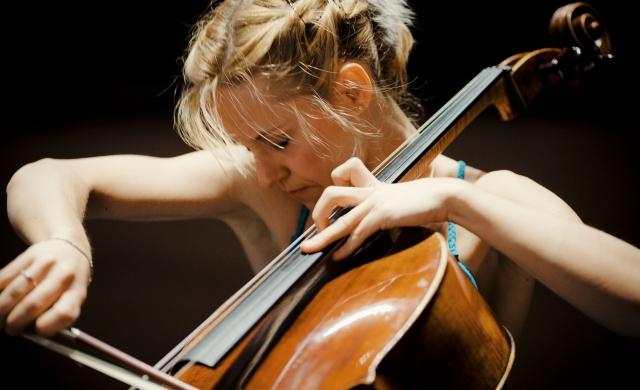
Cello Sheet Music
 "... Jeff Beck is my idol .. sometimes he finds notes that I just do not have on my guitar. Frank Zappa's another one .. I loved Frank Zappa ... I do think Van Halen reinvented the guitar ... he's an excellent musician, a shrewd guitarist and as a person he's wonderful..." Ritchie Blackmore / Deep Purple / Rainbow
Mozart
Wolfgang Amadeus Mozart, full name Johann Chrysostom Wolfgang Amadeus Mozart (27 January 1756 â 5 December 1791) was a prolific and influential composer of the Classical era. His over 600 compositions include works widely acknowledged as pinnacles of symphonic, concertante, chamber, piano, operatic, and choral music. Mozart is among the most enduringly popular of classical composers, and many of his works are part of the standard concert repertoire.
Mozart's music, like Haydn's, stands as an archetypal example of the Classical style. His works spanned the period during which that style transformed from one exemplified by the style galant to one that began to incorporate some of the contrapuntal complexities of the late Baroque, complexities against which the galant style had been a reaction. Mozart's own stylistic development closely paralleled the development of the classical style as a whole. In addition, he was a versatile composer and wrote in almost every major genre, including symphony, opera, the solo concerto, chamber music including string quartet and string quintet, and the piano sonata. While none of these genres were new, the piano concerto was almost single-handedly developed and popularized by Mozart. He also wrote a great deal of religious music, including masses; and he composed many dances, divertimenti, serenades, and other forms of light entertainment.
The central traits of the classical style can be identified in Mozart's music. Clarity, balance, and transparency are hallmarks of his work.
Mozart's music, like Haydn's, stands as an archetypal example of the Classical style. His works spanned the period during which that style transformed from one exemplified by the style galant to one that began to incorporate some of the contrapuntal complexities of the late Baroque, complexities against which the galant style had been a reaction. Mozart's own stylistic development closely paralleled the development of the classical style as a whole. In addition, he was a versatile composer and wrote in almost every major genre, including symphony, opera, the solo concerto, chamber music including string quartet and string quintet, and the piano sonata. While none of these genres were new, the piano concerto was almost single-handedly developed and popularized by Mozart. He also wrote a great deal of religious music, including masses; and he composed many dances, divertimenti, serenades, and other forms of light entertainment.
The central traits of the classical style can be identified in Mozart's music. Clarity, balance, and transparency are hallmarks of his work.
W.A. Mozart
Wolfgang Amadeus Mozart (German: , full baptismal name Johannes Chrysostomus Wolfgangus Theophilus Mozart (27 January 1756 – 5 December 1791), was a prolific and influential composer of the Classical era. He composed over 600 works, many acknowledged as pinnacles of symphonic, concertante, chamber, piano, operatic, and choral music. He is among the most enduringly popular of classical composers.
Mozart showed prodigious ability from his earliest childhood in Salzburg. Already competent on keyboard and violin, he composed from the age of five and performed before European royalty; at 17 he was engaged as a court musician in Salzburg, but grew restless and traveled in search of a better position, always composing abundantly. While visiting Vienna in 1781, he was dismissed from his Salzburg position. He chose to stay in the capital, where he achieved fame but little financial security. During his final years in Vienna, he composed many of his best-known symphonies, concertos, and operas, and the Requiem. The circumstances of his early death have been much mythologized. He was survived by his wife Constanze and two sons.
Mozart learned voraciously from others, and developed a brilliance and maturity of style that encompassed the light and graceful along with the dark and passionate—the whole informed by a vision of humanity "redeemed through art, forgiven, and reconciled with nature and the absolute." His influence on subsequent Western art music is profound. Beethoven wrote his own early compositions in the shadow of Mozart, of whom Joseph Haydn wrote that "posterity will not see such a talent again in 100 years."
Mozart showed prodigious ability from his earliest childhood in Salzburg. Already competent on keyboard and violin, he composed from the age of five and performed before European royalty; at 17 he was engaged as a court musician in Salzburg, but grew restless and traveled in search of a better position, always composing abundantly. While visiting Vienna in 1781, he was dismissed from his Salzburg position. He chose to stay in the capital, where he achieved fame but little financial security. During his final years in Vienna, he composed many of his best-known symphonies, concertos, and operas, and the Requiem. The circumstances of his early death have been much mythologized. He was survived by his wife Constanze and two sons.
Mozart learned voraciously from others, and developed a brilliance and maturity of style that encompassed the light and graceful along with the dark and passionate—the whole informed by a vision of humanity "redeemed through art, forgiven, and reconciled with nature and the absolute." His influence on subsequent Western art music is profound. Beethoven wrote his own early compositions in the shadow of Mozart, of whom Joseph Haydn wrote that "posterity will not see such a talent again in 100 years."
Sebastian Lee
Sebastian Lee German cellistSebastian Lee was a German cellist and pedagogue active in France and Germany. Wikipedia
Born: December 24, 1805, Hamburg, Germany Died: January 4, 1887, Hamburg, Germany Books: Forty Melodic and Progressive Etudes: Op. 31 Book I and II, MORE
Born: December 24, 1805, Hamburg, Germany Died: January 4, 1887, Hamburg, Germany Books: Forty Melodic and Progressive Etudes: Op. 31 Book I and II, MORE
Vivaldi
Antonio Lucio Vivaldi (March 4, 1678 â July 28, 1741), nicknamed il Prete Rosso ("The Red Priest"), was a Venetian priest and Baroque music composer, as well as a famous virtuoso violinist; he was born and raised in the Republic of Venice. The Four Seasons, a series of four violin concerti, is his best-known work and a highly popular Baroque piece.
Many of Vivaldi's compositions reflect a flamboyant, almost playful, exuberance. Most of Vivaldi's repertoire was rediscovered only in the first half of the 20th century in Turin and Genoa and was published in the second half. Vivaldi's music is innovative, breaking a consolidated tradition in schemes; he gave brightness to the formal and the rhythmic structure of the concerto, repeatedly looking for harmonic contrasts and innovative melodies and themes. Moreover, Vivaldi was able to compose nonacademic music, particularly meant to be appreciated by the wide public and not only by an intellectual minority. The joyful appearance of his music reveals in this regard a transmissible joy of composing; these are among the causes of the vast popularity of his music. This popularity soon made him famous in other countries such as France which was, at the time, very independent concerning its musical taste.
Vivaldi is considered one of the composers who brought Baroque music (with its typical contrast among heavy sonorities) to evolve into a classical style. Johann Sebastian Bach was deeply influenced by Vivaldi's concertos and arias (recalled in his Johannes Passion, Matthäuspassion, and cantatas). Bach transcribed a number of Vivaldi's concerti for solo keyboard, along with a number for orchestra, including the famous Concerto for Four Violins and Violoncello, Strings and Continuo (RV 580).
Many of Vivaldi's compositions reflect a flamboyant, almost playful, exuberance. Most of Vivaldi's repertoire was rediscovered only in the first half of the 20th century in Turin and Genoa and was published in the second half. Vivaldi's music is innovative, breaking a consolidated tradition in schemes; he gave brightness to the formal and the rhythmic structure of the concerto, repeatedly looking for harmonic contrasts and innovative melodies and themes. Moreover, Vivaldi was able to compose nonacademic music, particularly meant to be appreciated by the wide public and not only by an intellectual minority. The joyful appearance of his music reveals in this regard a transmissible joy of composing; these are among the causes of the vast popularity of his music. This popularity soon made him famous in other countries such as France which was, at the time, very independent concerning its musical taste.
Vivaldi is considered one of the composers who brought Baroque music (with its typical contrast among heavy sonorities) to evolve into a classical style. Johann Sebastian Bach was deeply influenced by Vivaldi's concertos and arias (recalled in his Johannes Passion, Matthäuspassion, and cantatas). Bach transcribed a number of Vivaldi's concerti for solo keyboard, along with a number for orchestra, including the famous Concerto for Four Violins and Violoncello, Strings and Continuo (RV 580).
Metallica
Metallica is an American heavy metal band that formed in 1981 in Los Angeles, California. Founded when drummer Lars Ulrich posted an advertisement in a Los Angeles newspaper, Metallica's original line-up consisted of Ulrich, rhythm guitarist and vocalist James Hetfield, lead guitarist Dave Mustaine, and bassist Ron McGovney. These last two were later replaced from the band, in favor of Kirk Hammett and Cliff Burton, respectively. In September 1986, Metallica's tour bus skidded out of control and flipped, which resulted in Burton being crushed under the bus and killed. Jason Newsted replaced him less than two months later. Newsted left the band in 2001 and was replaced by Robert Trujillo in 2003.
Metallica's early releases included fast tempos, instrumentals, and aggressive musicianship that placed them as one of the "Big Four" of the thrash metal subgenre alongside Slayer, Megadeth and Anthrax. The band earned a growing fan base in the underground music community, and some critics say the 1986 release Master of Puppets is one of the most influential and "heavy" thrash metal albums. The band achieved substantial commercial success with its self-titled 1991 album, which debuted at number one on the Billboard 200. Some critics and fans believed the band changed its musical direction to appeal to the mainstream audience. With the release of Load in 1996, Metallica distanced itself from earlier releases in what has been described as "an almost alternative rock approach", and the band faced accusations of "selling out".
In 2000, Metallica was among several artists who filed a lawsuit against Napster for sharing the band's copyright-protected material for free without the band members' consent. A settlement was reached, and Napster became a pay-to-use service. Despite reaching number one on the Billboard 200, the release of St. Anger in 2003 disappointed some critics and fans with the exclusion of guitar solos, and the "steel-sounding" snare drum. A film titled Some Kind of Monster documented the recording process of St. Anger.
Metallica's early releases included fast tempos, instrumentals, and aggressive musicianship that placed them as one of the "Big Four" of the thrash metal subgenre alongside Slayer, Megadeth and Anthrax. The band earned a growing fan base in the underground music community, and some critics say the 1986 release Master of Puppets is one of the most influential and "heavy" thrash metal albums. The band achieved substantial commercial success with its self-titled 1991 album, which debuted at number one on the Billboard 200. Some critics and fans believed the band changed its musical direction to appeal to the mainstream audience. With the release of Load in 1996, Metallica distanced itself from earlier releases in what has been described as "an almost alternative rock approach", and the band faced accusations of "selling out".
In 2000, Metallica was among several artists who filed a lawsuit against Napster for sharing the band's copyright-protected material for free without the band members' consent. A settlement was reached, and Napster became a pay-to-use service. Despite reaching number one on the Billboard 200, the release of St. Anger in 2003 disappointed some critics and fans with the exclusion of guitar solos, and the "steel-sounding" snare drum. A film titled Some Kind of Monster documented the recording process of St. Anger.
Ludwig van Beethoven
Ludwig van Beethoven (/ˈlʊdvɪɡ væn ˈbeɪt(h)oʊvən/ (About this soundlisten); German: (About this soundlisten); baptised 17 December 1770 – 26 March 1827) was a German composer and pianist. A crucial figure in the transition between the classical and romantic eras in classical music, he remains one of the most recognized and influential musicians of this period, and is considered to be one of the greatest composers of all time.
Beethoven was born in Bonn, the capital of the Electorate of Cologne, and part of the Holy Roman Empire. He displayed his musical talents at an early age and was vigorously taught by his father Johann van Beethoven, and was later taught by composer and conductor Christian Gottlob Neefe. At age 21, he moved to Vienna and studied composition with Joseph Haydn. Beethoven then gained a reputation as a virtuoso pianist, and was soon courted by Prince Lichnowsky for compositions, which resulted in Opus 1 in 1795.
Beethoven was born in Bonn, the capital of the Electorate of Cologne, and part of the Holy Roman Empire. He displayed his musical talents at an early age and was vigorously taught by his father Johann van Beethoven, and was later taught by composer and conductor Christian Gottlob Neefe. At age 21, he moved to Vienna and studied composition with Joseph Haydn. Beethoven then gained a reputation as a virtuoso pianist, and was soon courted by Prince Lichnowsky for compositions, which resulted in Opus 1 in 1795.
Shostakovich
Dmitri Dmitriyevich Shostakovich (25 September 1906 – 9 August 1975) was a Soviet Russian composer and one of the most celebrated composers of the 20th century.
Shostakovich achieved fame in the Soviet Union under the patronage of Leon Trotsky's chief of staff Mikhail Tukhachevsky, but later had a complex and difficult relationship with the Stalinist bureaucracy. In 1936, the government, most probably under orders from Stalin, harshly criticized his opera Lady Macbeth of the Mtsensk District, causing him to withdraw the Fourth Symphony during its rehearsal stages. Shostakovich's music was officially denounced twice, in 1936 and 1948, and was periodically banned. Nevertheless, he also received accolades and state awards and served in the Supreme Soviet of the RSFSR. Despite the official controversy, his works were popular and well received.
Shostakovich achieved fame in the Soviet Union under the patronage of Leon Trotsky's chief of staff Mikhail Tukhachevsky, but later had a complex and difficult relationship with the Stalinist bureaucracy. In 1936, the government, most probably under orders from Stalin, harshly criticized his opera Lady Macbeth of the Mtsensk District, causing him to withdraw the Fourth Symphony during its rehearsal stages. Shostakovich's music was officially denounced twice, in 1936 and 1948, and was periodically banned. Nevertheless, he also received accolades and state awards and served in the Supreme Soviet of the RSFSR. Despite the official controversy, his works were popular and well received.
Ruggero Leoncavallo
Ruggero Leoncavallo is an opera and operetta composer of the Italian modern era verismo.
Rachmaninoff
Sergei Vasilievich Rachmaninoff (1 April 1873 - 28 March 1943) was a Russian composer, pianist, and conductor. He was one of the finest pianists of his day and, as a composer, the last great representative of Russian late Romanticism in classical music. Early influences of Tchaikovsky, Rimsky-Korsakov and other Russian composers gave way to a thoroughly personal idiom which included a pronounced lyricism, expressive breadth, structural ingenuity and a tonal palette of rich, distinctive orchestral colors.
Understandably, the piano figures prominently in Rachmaninoff's compositional output, either as a solo instrument or as part of an ensemble. He made it a point, however, to use his own skills as a performer to explore fully the expressive possibilities of the instrument. Even in his earliest works, he revealed a sure grasp of idiomatic piano writing and a striking gift for melody. In some of his early orchestral pieces he showed the first signs of a talent for tone painting, which he would perfect in The Isle of the Dead, and he began to show a similar penchant for vocal writing in two early sets of songs, Opp. 4 and 8. Rachmaninoff's masterpiece, however, is his choral symphony The Bells, in which all of his talents are fused and unified.
Rachmaninoff sometimes felt threatened by the success of modernists such as Scriabin and Prokofiev and wondered whether to cease composing even before he left Russia. His musical philosophy was rooted in the Russian spiritual tradition, where the role of the artist was to create beauty and to speak the truth from the depths of his heart. In his last major interview, in 1941, he admitted his music, like Russian music, was a product of his temperament. He said, on another occasion, "The new kind of music seems to create not from the heart but from the head. Its composers think rather than feel. They have not the capacity to make their works exalt—they meditate, protest, analyze, reason, calculate and brood, but they do not exalt."
Understandably, the piano figures prominently in Rachmaninoff's compositional output, either as a solo instrument or as part of an ensemble. He made it a point, however, to use his own skills as a performer to explore fully the expressive possibilities of the instrument. Even in his earliest works, he revealed a sure grasp of idiomatic piano writing and a striking gift for melody. In some of his early orchestral pieces he showed the first signs of a talent for tone painting, which he would perfect in The Isle of the Dead, and he began to show a similar penchant for vocal writing in two early sets of songs, Opp. 4 and 8. Rachmaninoff's masterpiece, however, is his choral symphony The Bells, in which all of his talents are fused and unified.
Rachmaninoff sometimes felt threatened by the success of modernists such as Scriabin and Prokofiev and wondered whether to cease composing even before he left Russia. His musical philosophy was rooted in the Russian spiritual tradition, where the role of the artist was to create beauty and to speak the truth from the depths of his heart. In his last major interview, in 1941, he admitted his music, like Russian music, was a product of his temperament. He said, on another occasion, "The new kind of music seems to create not from the heart but from the head. Its composers think rather than feel. They have not the capacity to make their works exalt—they meditate, protest, analyze, reason, calculate and brood, but they do not exalt."
Puccini
Giacomo Antonio Domenico Michele Secondo Maria Puccini (December 22, 1858 – November 29, 1924) was an Italian composer whose operas, including La Bohème, Tosca, and Madama Butterfly, are among the most frequently performed in the standard repertoire. Some of his arias, such as "O Mio Babbino Caro" from Gianni Schicchi, "Che gelida manina" from La Bohème, and "Nessun Dorma" from Turandot, have become part of popular culture.
The subject of Puccini's style is one that has been long avoided by musicologists; this avoidance can perhaps be attributed to the perception that his work, with its emphasis on melody and evident popular appeal, lacked "seriousness" (a similar prejudice beset Rachmaninoff during his lifetime). Despite the place Puccini clearly occupies in the popular tradition of Verdi, his style of orchestration also shows the strong influence of Wagner, matching specific orchestral configurations and timbres to different dramatic moments. His operas contain an unparalleled manipulation of orchestral colors, with the orchestra often creating the scene’s atmosphere.
The structures of Puccini's works are also noteworthy. While it is to an extent possible to divide his operas into arias or numbers (like Verdi's), his scores generally present a very strong sense of continuous flow and connectivity, perhaps another sign of Wagner’s influence. Like Wagner, Puccini used leitmotifs to connote characters (or combinations of characters). This is apparent in Tosca, where the three chords which signal the beginning of the opera are used throughout to announce Scarpia. Several motifs are also linked to Mimi and the Bohemians in La Bohème and to Cio-Cio-San's eventual suicide in Butterfly. Unlike Wagner, though, Puccini's motifs are static: where Wagner's motifs develop into more complicated figures as the characters develop, Puccini's remain more or less identical throughout the opera (in this respect anticipating the themes of modern musical theatre).
The subject of Puccini's style is one that has been long avoided by musicologists; this avoidance can perhaps be attributed to the perception that his work, with its emphasis on melody and evident popular appeal, lacked "seriousness" (a similar prejudice beset Rachmaninoff during his lifetime). Despite the place Puccini clearly occupies in the popular tradition of Verdi, his style of orchestration also shows the strong influence of Wagner, matching specific orchestral configurations and timbres to different dramatic moments. His operas contain an unparalleled manipulation of orchestral colors, with the orchestra often creating the scene’s atmosphere.
The structures of Puccini's works are also noteworthy. While it is to an extent possible to divide his operas into arias or numbers (like Verdi's), his scores generally present a very strong sense of continuous flow and connectivity, perhaps another sign of Wagner’s influence. Like Wagner, Puccini used leitmotifs to connote characters (or combinations of characters). This is apparent in Tosca, where the three chords which signal the beginning of the opera are used throughout to announce Scarpia. Several motifs are also linked to Mimi and the Bohemians in La Bohème and to Cio-Cio-San's eventual suicide in Butterfly. Unlike Wagner, though, Puccini's motifs are static: where Wagner's motifs develop into more complicated figures as the characters develop, Puccini's remain more or less identical throughout the opera (in this respect anticipating the themes of modern musical theatre).
Charpentier
Marc-Antoine Charpentier, (born 1643, in or near Paris, France--died Feb. 24, 1704, Paris), most important French composer of his generation and the outstanding French composer of oratorios.
Charpentier went to Rome in about 1667, where he is believed to have studied composition, perhaps with Giacomo Carissimi. On his return to France about three years later he became chapelmaster to the dauphin but lost that position through Jean-Baptiste Lully's influence. He composed the music for a new version of Moliere's The Forced Marriage (first performed 1672) and collaborated with him again in The Imaginary Invalid (1673). After Moliere's death Charpentier continued to work for the Theatre Francais until 1685. He produced his greatest stage work, Medee, to Thomas Corneille's text, in 1693. From perhaps 1670 to 1688 he had as his patron Marie de Lorraine, known as Mademoiselle de Guise, and from 1679 he composed
Charpentier went to Rome in about 1667, where he is believed to have studied composition, perhaps with Giacomo Carissimi. On his return to France about three years later he became chapelmaster to the dauphin but lost that position through Jean-Baptiste Lully's influence. He composed the music for a new version of Moliere's The Forced Marriage (first performed 1672) and collaborated with him again in The Imaginary Invalid (1673). After Moliere's death Charpentier continued to work for the Theatre Francais until 1685. He produced his greatest stage work, Medee, to Thomas Corneille's text, in 1693. From perhaps 1670 to 1688 he had as his patron Marie de Lorraine, known as Mademoiselle de Guise, and from 1679 he composed
Michael Giacchino
Michael Giacchino (Italian pronunciation: ; born October 10, 1967) is an American composer who has composed scores for movies, television series and video games. Some of his most notable works include the scores to television series such as Lost, Alias and Fringe, games such as the Medal of Honor and Call of Duty series, and films such as Mission: Impossible III, The Incredibles, Star Trek, Star Trek Into Darkness, Cloverfield, Ratatouille, Up, Super 8, Cars 2, 50/50, and John Carter. Giacchino has received numerous awards for his work, including an Emmy, multiple Grammys, a Golden Globe Award, and an Academy Award.
Dvorak
Antonín Leopold Dvořák (September 8, 1841 – May 1, 1904) was a Czech composer of Romantic music, who employed the idioms and melodies of the folk music of his native Bohemia and Moravia. His works include operas, symphonic, choral and chamber music. His best-known works are his New World Symphony (particularly the slow movement), as well as his Slavonic Dances, American String Quartet, and Cello Concerto in B minor.
Dvořák wrote in a variety of forms: his nine symphonies generally stick to classical models that Beethoven would have recognised, but he also worked in the newly developed symphonic poem form and the influence of Richard Wagner is apparent in some works. Many of his works also show the influence of Czech folk music, both in terms of rhythms and melodic shapes; perhaps the best known examples are the two sets of Slavonic Dances. Dvořák also wrote operas (the best known of which is Rusalka); serenades for string orchestra and wind ensemble; chamber music (including a number of string quartets, and quintets); songs; choral music; and piano music.
Dvořák wrote in a variety of forms: his nine symphonies generally stick to classical models that Beethoven would have recognised, but he also worked in the newly developed symphonic poem form and the influence of Richard Wagner is apparent in some works. Many of his works also show the influence of Czech folk music, both in terms of rhythms and melodic shapes; perhaps the best known examples are the two sets of Slavonic Dances. Dvořák also wrote operas (the best known of which is Rusalka); serenades for string orchestra and wind ensemble; chamber music (including a number of string quartets, and quintets); songs; choral music; and piano music.
Edith Piaf
Édith Piaf (19 December 1915—10 October 1963) was a French singer and cultural icon who "is almost universally regarded as France's greatest popular singer." Her singing reflected her life, with her specialty being the ballads. Among her famous songs are "La vie en rose" (1946), "Hymne à l'amour" (1949), "Milord" (1959), "Non, je ne regrette rien" (1960), and Padam Padam.
Edith Piaf's signature song "La vie en rose" was written in 1945 and was voted a Grammy Hall of Fame Award in 1998.
The legendary Paris Olympia concert hall is where Piaf achieved lasting fame, giving several series of concerts at the hall, the most famous venue in Paris, between January 1955 and October 1962. Excerpts from five of these concerts (1955, 1956, 1958, 1961, 1962) were issued on record and CD and have never been out of print. The 1961 concerts were promised by Piaf in an effort to save the venue from bankruptcy and where she debuted her song "Non, je ne regrette rien". In April 1963, Piaf recorded her last song, "L'homme de Berlin".
Edith Piaf's signature song "La vie en rose" was written in 1945 and was voted a Grammy Hall of Fame Award in 1998.
The legendary Paris Olympia concert hall is where Piaf achieved lasting fame, giving several series of concerts at the hall, the most famous venue in Paris, between January 1955 and October 1962. Excerpts from five of these concerts (1955, 1956, 1958, 1961, 1962) were issued on record and CD and have never been out of print. The 1961 concerts were promised by Piaf in an effort to save the venue from bankruptcy and where she debuted her song "Non, je ne regrette rien". In April 1963, Piaf recorded her last song, "L'homme de Berlin".
Friedrich Dotzaue
Justus Johann Friedrich Dotzauer was a German cellist and composer
Karl Jenkins
Karl William Pamp Jenkins, CBE (born 17 February 1944) is a Welsh musician and composer.
Richard Wagner
Wilhelm Richard Wagner (pronounced /ˈvɑːɡnər/, German pronunciation: ; 22 May 1813 – 13 February 1883) was a German composer, conductor, theatre director and essayist, primarily known for his operas (or "music dramas", as they were later called). Wagner's compositions, particularly those of his later period, are notable for their complex texture, rich harmonies and orchestration, and the elaborate use of leitmotifs: musical themes associated with individual characters, places, ideas or plot elements. Unlike most other opera composers, Wagner wrote both the music and libretto for every one of his stage works. Famous extracts from his operas include the "Ride of the Valkyries" and the Bridal Chorus from Lohengrin, popularly known as the wedding march "Here Comes the Bride".
Initially establishing his reputation as a composer of works such as The Flying Dutchman and Tannhäuser which were in the romantic traditions of Weber and Meyerbeer, Wagner transformed operatic thought through his concept of the Gesamtkunstwerk ("total work of art"). This would achieve the synthesis of all the poetic, visual, musical and dramatic arts, and was announced in a series of essays between 1849 and 1852. Wagner realised this concept most fully in the first half of the monumental four-opera cycle Der Ring des Nibelungen. However, his thoughts on the relative importance of music and drama were to change again and he reintroduced some traditional operatic forms into his last few stage works including Die Meistersinger von Nürnberg.
Wagner pioneered advances in musical language, such as extreme chromaticism and quickly shifting tonal centres, which greatly influenced the development of European classical music. His Tristan und Isolde is sometimes described as marking the start of modern music. Wagner's influence spread beyond music into philosophy, literature, the visual arts and theatre. He had his own opera house built, the Bayreuth Festspielhaus, which contained many novel design features. It was here that the Ring and Parsifal received their premieres and where his most important stage works continue to be performed today in an annual festival run by his descendants. Wagner's views on conducting were also highly influential. His extensive writings on music, drama and politics have all attracted extensive comment; not least for their frequently antisemitic content.
Wagner achieved all of this despite a life characterised, until his last decades, by political exile, turbulent love affairs, poverty and repeated flight from his creditors. His pugnacious personality and often outspoken views on music, politics and society made him a controversial figure during his life. He has remained one to this day. The impact of his his ideas can be traced in many of the arts throughout the twentieth century.
Initially establishing his reputation as a composer of works such as The Flying Dutchman and Tannhäuser which were in the romantic traditions of Weber and Meyerbeer, Wagner transformed operatic thought through his concept of the Gesamtkunstwerk ("total work of art"). This would achieve the synthesis of all the poetic, visual, musical and dramatic arts, and was announced in a series of essays between 1849 and 1852. Wagner realised this concept most fully in the first half of the monumental four-opera cycle Der Ring des Nibelungen. However, his thoughts on the relative importance of music and drama were to change again and he reintroduced some traditional operatic forms into his last few stage works including Die Meistersinger von Nürnberg.
Wagner pioneered advances in musical language, such as extreme chromaticism and quickly shifting tonal centres, which greatly influenced the development of European classical music. His Tristan und Isolde is sometimes described as marking the start of modern music. Wagner's influence spread beyond music into philosophy, literature, the visual arts and theatre. He had his own opera house built, the Bayreuth Festspielhaus, which contained many novel design features. It was here that the Ring and Parsifal received their premieres and where his most important stage works continue to be performed today in an annual festival run by his descendants. Wagner's views on conducting were also highly influential. His extensive writings on music, drama and politics have all attracted extensive comment; not least for their frequently antisemitic content.
Wagner achieved all of this despite a life characterised, until his last decades, by political exile, turbulent love affairs, poverty and repeated flight from his creditors. His pugnacious personality and often outspoken views on music, politics and society made him a controversial figure during his life. He has remained one to this day. The impact of his his ideas can be traced in many of the arts throughout the twentieth century.
Carl Maria von Weber
Carl Maria Friedrich Ernst von Weber was a German composer, conductor, pianist, guitarist and critic, and was one of the first significant composers of the Romantic school.
GEORG PHILLIP TELEMANN
Georg Philipp Telemann (24 March 1681 – 25 June 1767) (German pronunciation: ) was a German Baroque composer and multi-instrumentalist. Almost completely self-taught in music, he became a composer against his family's wishes. After studying in Magdeburg, Zellerfeld, and Hildesheim, Telemann entered the University of Leipzig to study law, but eventually settled on a career in music. He held important positions in Leipzig, Sorau, Eisenach, and Frankfurt before settling in Hamburg in 1721, where he became musical director of that city's five main churches. While Telemann's career prospered, his personal life was always troubled: his first wife died less than two years after their marriage, and his second wife had extramarital affairs and accumulated a large gambling debt before leaving him.
Tchaikovsky
Pyotr Il'yich Tchaikovsky (May 7 1840 â November 6 1893) was a Russian composer of the Romantic era. While not part of the nationalistic music group known as "The Five", Tchaikovsky wrote music which, in the opinion of Harold Schonberg, was distinctly Russian: plangent, introspective, with modally-inflected melody and harmony.
Aesthetically, Tchaikovsky remained open to all aspects of Saint Petersburg musical life. He was impressed by Serov and Balakirev as well as the classical values upheld by the conservatory. Both the progressive and conservative camps in Russian music at the time attempted to win him over. Tchaikovsky charted his compositional course between these two factions, retaining his individuality as a composer as well as his Russian identity. In this he was influenced by the ideals of his teacher Nikolai Rubinstein and Nikolai's brother Anton.
Tchaikovsky's musical cosmopolitanism led him to be favored by many Russian music-lovers over the "Russian" harmonies and styles of Mussorgsky, Borodin and Rimsky-Korsakov.
Nonetheless he frequently adapted Russian traditional melodies and dance forms in his music, which enhanced his success in his home country. The success in St. Petersburg at the premiere of his Third Orchestral Suite may have been due in large part to his concluding the work with a polonaise. He also used a polonaise for the final movement of his Third Symphony.
Aesthetically, Tchaikovsky remained open to all aspects of Saint Petersburg musical life. He was impressed by Serov and Balakirev as well as the classical values upheld by the conservatory. Both the progressive and conservative camps in Russian music at the time attempted to win him over. Tchaikovsky charted his compositional course between these two factions, retaining his individuality as a composer as well as his Russian identity. In this he was influenced by the ideals of his teacher Nikolai Rubinstein and Nikolai's brother Anton.
Tchaikovsky's musical cosmopolitanism led him to be favored by many Russian music-lovers over the "Russian" harmonies and styles of Mussorgsky, Borodin and Rimsky-Korsakov.
Nonetheless he frequently adapted Russian traditional melodies and dance forms in his music, which enhanced his success in his home country. The success in St. Petersburg at the premiere of his Third Orchestral Suite may have been due in large part to his concluding the work with a polonaise. He also used a polonaise for the final movement of his Third Symphony.
Friedrich Dotzauer
Justus Johann Friedrich Dotzauer was a German cellist and composer
Pierre Boulez
ierre Louis Joseph Boulez CBE was a French composer, conductor, writer and creator of musical institutions. He was one of the dominant figures ..
Lowell Mason
Lowell Mason (January 8, 1792 – August 11, 1872) was a leading figure in American church music, the composer of over 1600 hymn tunes, many of which are often sung today. His best-known work includes an arrangement of Joy to the World and the tune Bethany, which sets the hymn text Nearer, My God, to Thee. Mason also set music to Mary Had A Little Lamb. He is largely credited with introducing music into American public schools, and is considered the first important U.S. music educator. He has also been criticized for helping to largely eliminate the robust tradition of participatory sacred music that flourished in America before his time.
Incubus
Incubus is a Grammy-nominated alternative rock band based out of Calabasas, California. Formed by vocalist Brandon Boyd, lead guitarist Michael Einziger, and drummer Jose Antonio Pasillas II while in high school, the band grew to include bassist Alex Katunich (a.k.a. "Dirk Lance"), and Gavin Koppell (a.k.a. "DJ Lyfe"), both of whom were eventually replaced by bassist Ben Kenney (formerly of The Roots), and DJ Kilmore, respectively.
They are known for their eclectic sound, balancing experimental and progressive qualities with pop appeal, earning praise for their ability to change and evolve their music with every subsequent release. Their lyrics touch on a number of different subjects, from their earliest works which touch on drugs and anti-conformity to the later albums where they often sing about politics and romance, although they primarily stress an optimistic view.
Incubus has received both high critical acclaim and commercial success, reaching multi-platinum sales, as well as releasing several highly successful singles. The band started branching out creatively and earned mainstream recognition with the release of their 1999 album Make Yourself. By 2001, Incubus became hugely successful with the single "Drive" and their follow up album Morning View. Their latest studio album, Light Grenades, has reached Gold certification and #1 in the U.S. Their music has also appeared in other media, such as the video games Halo 2 and Guitar Hero, and the films Stealth and Final Destination 2.
They are known for their eclectic sound, balancing experimental and progressive qualities with pop appeal, earning praise for their ability to change and evolve their music with every subsequent release. Their lyrics touch on a number of different subjects, from their earliest works which touch on drugs and anti-conformity to the later albums where they often sing about politics and romance, although they primarily stress an optimistic view.
Incubus has received both high critical acclaim and commercial success, reaching multi-platinum sales, as well as releasing several highly successful singles. The band started branching out creatively and earned mainstream recognition with the release of their 1999 album Make Yourself. By 2001, Incubus became hugely successful with the single "Drive" and their follow up album Morning View. Their latest studio album, Light Grenades, has reached Gold certification and #1 in the U.S. Their music has also appeared in other media, such as the video games Halo 2 and Guitar Hero, and the films Stealth and Final Destination 2.
Claude Bolling
Claude Bolling (born 10 April 1930), is a renowned French jazz pianist, composer, arranger, and occasional actor.
He was born in Cannes, studied at the Nice Conservatory, then in Paris. A child prodigy, by age 14 he was playing jazz piano professionally, with Lionel Hampton, Roy Eldridge, and Kenny Clarke. Bolling's books on jazz technique show that he did not delve far beyond bebop into much avant garde jazz. He was a major part of the traditional jazz revival in the late 1960s, and he became friends with Oscar Peterson.
He has written music for over one hundred films, mostly French, starting with the score for a 1957 documentary about the Cannes Film Festival, and including the films Borsalino (1970), and California Suite (1978).
Bolling is also noted for a series of "crossover" collaborations with classical musicians. His Suite for Flute and Jazz Piano Trio with Jean-Pierre Rampal, a mix of Baroque elegance with modern swing, has been a top seller for many years, and was followed up by other works in the same vein. It was particularly popular in the United States, at the top of the hit parade for two years after its release and on billboard top 40 for 530 weeks, roughly ten years.
Following his work with Rampal, Bolling went on to work with many other musicians, from different genres, including Alexandre Lagoya, Pinchas Zukerman, Maurice André, and Yo-Yo Ma. He has also worked with, and performed tributes to many others, including Lionel Hampton, Duke Ellington, Stéphane Grappelli, Django Reinhardt, Oscar Peterson.
He was born in Cannes, studied at the Nice Conservatory, then in Paris. A child prodigy, by age 14 he was playing jazz piano professionally, with Lionel Hampton, Roy Eldridge, and Kenny Clarke. Bolling's books on jazz technique show that he did not delve far beyond bebop into much avant garde jazz. He was a major part of the traditional jazz revival in the late 1960s, and he became friends with Oscar Peterson.
He has written music for over one hundred films, mostly French, starting with the score for a 1957 documentary about the Cannes Film Festival, and including the films Borsalino (1970), and California Suite (1978).
Bolling is also noted for a series of "crossover" collaborations with classical musicians. His Suite for Flute and Jazz Piano Trio with Jean-Pierre Rampal, a mix of Baroque elegance with modern swing, has been a top seller for many years, and was followed up by other works in the same vein. It was particularly popular in the United States, at the top of the hit parade for two years after its release and on billboard top 40 for 530 weeks, roughly ten years.
Following his work with Rampal, Bolling went on to work with many other musicians, from different genres, including Alexandre Lagoya, Pinchas Zukerman, Maurice André, and Yo-Yo Ma. He has also worked with, and performed tributes to many others, including Lionel Hampton, Duke Ellington, Stéphane Grappelli, Django Reinhardt, Oscar Peterson.
Schubert
Franz Peter Schubert (January 31, 1797 – November 19, 1828) was an Austrian composer. He wrote some 600 lieder, nine symphonies (including the famous "Unfinished Symphony"), liturgical music, operas, and a large body of chamber and solo piano music. He is particularly noted for his original melodic and harmonic writing.
While Schubert had a close circle of friends and associates who admired his work (including his teacher Antonio Salieri, and the prominent singer Johann Michael Vogl), wider appreciation of his music during his lifetime was limited at best. He was never able to secure adequate permanent employment, and for most of his career he relied on the support of friends and family. Interest in Schubert's work increased dramatically in the decades following his death and he is now widely considered to be one of the greatest composers in the Western tradition.
While he was clearly influenced by the Classical sonata forms of Beethoven and Mozart (his early works, among them notably the 5th Symphony, are particularly Mozartean), his formal structures and his developments tend to give the impression more of melodic development than of harmonic drama. This combination of Classical form and long-breathed Romantic melody sometimes lends them a discursive style: his 9th Symphony was described by Robert Schumann as running to "heavenly lengths". His harmonic innovations include movements in which the first section ends in the key of the subdominant rather than the dominant (as in the last movement of the Trout Quintet). Schubert's practice here was a forerunner of the common Romantic technique of relaxing, rather than raising, tension in the middle of a movement, with final resolution postponed to the very end.
While Schubert had a close circle of friends and associates who admired his work (including his teacher Antonio Salieri, and the prominent singer Johann Michael Vogl), wider appreciation of his music during his lifetime was limited at best. He was never able to secure adequate permanent employment, and for most of his career he relied on the support of friends and family. Interest in Schubert's work increased dramatically in the decades following his death and he is now widely considered to be one of the greatest composers in the Western tradition.
While he was clearly influenced by the Classical sonata forms of Beethoven and Mozart (his early works, among them notably the 5th Symphony, are particularly Mozartean), his formal structures and his developments tend to give the impression more of melodic development than of harmonic drama. This combination of Classical form and long-breathed Romantic melody sometimes lends them a discursive style: his 9th Symphony was described by Robert Schumann as running to "heavenly lengths". His harmonic innovations include movements in which the first section ends in the key of the subdominant rather than the dominant (as in the last movement of the Trout Quintet). Schubert's practice here was a forerunner of the common Romantic technique of relaxing, rather than raising, tension in the middle of a movement, with final resolution postponed to the very end.
Jean Sibelius
Jean Sibelius ( pronunciation (help·info)) (8 December 1865 – 20 September 1957) was a Finnish composer of the later Romantic period whose music played an important role in the formation of the Finnish national identity. His mastery of the orchestra has been described as "prodigious."
The core of Sibelius's oeuvre is his set of seven symphonies. Like Beethoven, Sibelius used each successive work to further develop his own personal compositional style. His works continue to be performed frequently in the concert hall and are often recorded.
In addition to the symphonies, Sibelius's best-known compositions include Finlandia, the Karelia Suite, Valse triste, the Violin Concerto in D minor and The Swan of Tuonela (one of the four movements of the Lemminkäinen Suite). Other works include pieces inspired by the Finnish national epic, the Kalevala; over 100 songs for voice and piano; incidental music for 13 plays; the opera Jungfrun i tornet (The Maiden in the Tower); chamber music; piano music; Masonic ritual music; and 21 separate publications of choral music.
The core of Sibelius's oeuvre is his set of seven symphonies. Like Beethoven, Sibelius used each successive work to further develop his own personal compositional style. His works continue to be performed frequently in the concert hall and are often recorded.
In addition to the symphonies, Sibelius's best-known compositions include Finlandia, the Karelia Suite, Valse triste, the Violin Concerto in D minor and The Swan of Tuonela (one of the four movements of the Lemminkäinen Suite). Other works include pieces inspired by the Finnish national epic, the Kalevala; over 100 songs for voice and piano; incidental music for 13 plays; the opera Jungfrun i tornet (The Maiden in the Tower); chamber music; piano music; Masonic ritual music; and 21 separate publications of choral music.
Carlos Gardel
Carlos Gardel (11 December 1890 – 24 June 1935) was a singer, songwriter and actor, and is perhaps the most prominent figure in the history of tango. The unerring musicality of Gardel's baritone voice and the dramatic phrasing of his lyrics made miniature masterpieces of his hundreds of three-minute tango recordings. Together with lyricist and long-time collaborator Alfredo Le Pera, Gardel wrote several classic tangos, most notably "Mi Buenos Aires querido", "Por una cabeza" and "El día que me quieras".
Gardel died in an airplane crash at the height of his career, becoming an archetypal tragic hero mourned throughout Latin America. For many, Gardel embodies the soul of the tango style. He is commonly referred to as "Carlitos", "El Zorzal" (The Song Thrush), "The King of Tango", "El Mago" (The Magician) and "El Mudo" (The Mute).
Gardel died in an airplane crash at the height of his career, becoming an archetypal tragic hero mourned throughout Latin America. For many, Gardel embodies the soul of the tango style. He is commonly referred to as "Carlitos", "El Zorzal" (The Song Thrush), "The King of Tango", "El Mago" (The Magician) and "El Mudo" (The Mute).
Bernard Dewagtere
Doctor of musicology, conductor and composer, I manage ACCELERANDO, vocational musical school
Yiruma
Yiruma (born February 15 1978, Seoul, Korea) is a South Korean piano music composer. He is married to Son Hye-im.
Yiruma is well-known throughout the world, and his albums are sold all over Asia, as well as the United States and Europe. His most famous pieces are "Kiss the Rain", and also "River Flows in You". These pieces are widely mistaken for being associated with the movie Twilight. Although he formerly held dual citizenship as a citizen of the United Kingdom and South Korea, in July 2006 he gave up his British citizenship and entered the Republic of Korea Navy to begin his military service, which is compulsory for all male South Koreans. He has lived in Osaka, Japan for 5 years to promote album sales before giving up his dual citizenship.
Yiruma is well-known throughout the world, and his albums are sold all over Asia, as well as the United States and Europe. His most famous pieces are "Kiss the Rain", and also "River Flows in You". These pieces are widely mistaken for being associated with the movie Twilight. Although he formerly held dual citizenship as a citizen of the United Kingdom and South Korea, in July 2006 he gave up his British citizenship and entered the Republic of Korea Navy to begin his military service, which is compulsory for all male South Koreans. He has lived in Osaka, Japan for 5 years to promote album sales before giving up his dual citizenship.
Grieg
Edvard Hagerup Grieg (/ɡriːɡ/ GREEG, Norwegian: ; 15 June 1843 – 4 September 1907) was a Norwegian composer and pianist. He is widely considered one of the leading Romantic era composers, and his music is part of the standard classical repertoire worldwide. His use and development of Norwegian folk music in his own compositions brought the music of Norway to international consciousness, as well as helping to develop a national identity, much as Jean Sibelius and Bedřich Smetana did in Finland and Bohemia, respectively.
Grieg is the most celebrated person from the city of Bergen, with numerous statues depicting his image, and many cultural entities named after him: the city's largest concert building (Grieg Hall), its most advanced music school (Grieg Academy) and its professional choir (Edvard Grieg Kor). The Edvard Grieg Museum at Grieg's former home, Troldhaugen, is dedicated to his legacy.
Grieg is the most celebrated person from the city of Bergen, with numerous statues depicting his image, and many cultural entities named after him: the city's largest concert building (Grieg Hall), its most advanced music school (Grieg Academy) and its professional choir (Edvard Grieg Kor). The Edvard Grieg Museum at Grieg's former home, Troldhaugen, is dedicated to his legacy.
Chopin
Frédéric Chopin (1 March 1810 – 17 October 1849) was a Polish composer and virtuoso pianist of the Romantic period. He is widely regarded as the greatest Polish composer, and ranks as one of music's greatest tone poets.
He was born in the village of Żelazowa Wola, in the Duchy of Warsaw, to a Polish mother and French-expatriate father, and in his early life was regarded as a child-prodigy pianist. In November 1830, at the age of 20, Chopin went abroad; following the suppression of the Polish November Uprising of 1830–31, he became one of many expatriates of the Polish "Great Emigration."
In Paris, he made a comfortable living as a composer and piano teacher, while giving few public performances. A Polish patriot,
Chopin's extant compositions were written primarily for the piano as a solo instrument. Though technically demanding, Chopin's style emphasizes nuance and expressive depth rather than virtuosity. Chopin invented musical forms such as the ballade and was responsible for major innovations in forms such as the piano sonata, waltz, nocturne, étude, impromptu and prelude. His works are mainstays of Romanticism in 19th-century classical music.
He was born in the village of Żelazowa Wola, in the Duchy of Warsaw, to a Polish mother and French-expatriate father, and in his early life was regarded as a child-prodigy pianist. In November 1830, at the age of 20, Chopin went abroad; following the suppression of the Polish November Uprising of 1830–31, he became one of many expatriates of the Polish "Great Emigration."
In Paris, he made a comfortable living as a composer and piano teacher, while giving few public performances. A Polish patriot,
Chopin's extant compositions were written primarily for the piano as a solo instrument. Though technically demanding, Chopin's style emphasizes nuance and expressive depth rather than virtuosity. Chopin invented musical forms such as the ballade and was responsible for major innovations in forms such as the piano sonata, waltz, nocturne, étude, impromptu and prelude. His works are mainstays of Romanticism in 19th-century classical music.
Brahms
Johannes Brahms (May 7, 1833 â April 3, 1897) was a German composer of the Romantic period. He was born in Hamburg and in his later years he settled in Vienna, Austria.
Brahms maintained a Classical sense of form and order in his works â in contrast to the opulence of the music of many of his contemporaries. Thus many admirers (though not necessarily Brahms himself) saw him as the champion of traditional forms and "pure music," as opposed to the New German embrace of program music.
Brahms venerated Beethoven: in the composer's home, a marble bust of Beethoven looked down on the spot where he composed, and some passages in his works are reminiscent of Beethoven's style. The main theme of the finale of Brahms's First Symphony is reminiscent of the main theme of the finale of Beethoven's Ninth, and when this resemblance was pointed out to Brahms he replied that any ass â jeder Esel â could see that.
Ein deutsches Requiem was partially inspired by his mother's death in 1865, but also incorporates material from a Symphony he started in 1854, but abandoned following Schumann's suicide attempt. He once wrote that the Requiem "belonged to Schumann". The first movement of this abandoned Symphony was re-worked as the first movement of the First Piano Concerto.
Brahms also loved the Classical composers Mozart and Haydn. He collected first editions and autographs of their works, and edited performing editions. He also studied the music of pre-classical composers, including Giovanni Gabrieli, Johann Adolph Hasse, Heinrich Schütz and especially Johann Sebastian Bach. His friends included leading musicologists, and with Friedrich Chrysander he edited an edition of the works of François Couperin. He looked to older music for inspiration in the arts of strict counterpoint; the themes of some of his works are modelled on Baroque sources, such as Bach's The Art of Fugue in the fugal finale of Cello Sonata No. 1, or the same composer's Cantata No. 150 in the passacaglia theme of the Fourth Symphony's finale.
Brahms maintained a Classical sense of form and order in his works â in contrast to the opulence of the music of many of his contemporaries. Thus many admirers (though not necessarily Brahms himself) saw him as the champion of traditional forms and "pure music," as opposed to the New German embrace of program music.
Brahms venerated Beethoven: in the composer's home, a marble bust of Beethoven looked down on the spot where he composed, and some passages in his works are reminiscent of Beethoven's style. The main theme of the finale of Brahms's First Symphony is reminiscent of the main theme of the finale of Beethoven's Ninth, and when this resemblance was pointed out to Brahms he replied that any ass â jeder Esel â could see that.
Ein deutsches Requiem was partially inspired by his mother's death in 1865, but also incorporates material from a Symphony he started in 1854, but abandoned following Schumann's suicide attempt. He once wrote that the Requiem "belonged to Schumann". The first movement of this abandoned Symphony was re-worked as the first movement of the First Piano Concerto.
Brahms also loved the Classical composers Mozart and Haydn. He collected first editions and autographs of their works, and edited performing editions. He also studied the music of pre-classical composers, including Giovanni Gabrieli, Johann Adolph Hasse, Heinrich Schütz and especially Johann Sebastian Bach. His friends included leading musicologists, and with Friedrich Chrysander he edited an edition of the works of François Couperin. He looked to older music for inspiration in the arts of strict counterpoint; the themes of some of his works are modelled on Baroque sources, such as Bach's The Art of Fugue in the fugal finale of Cello Sonata No. 1, or the same composer's Cantata No. 150 in the passacaglia theme of the Fourth Symphony's finale.
Ravel
Joseph-Maurice Ravel (March 7, 1875 – December 28, 1937) was a French composer of Impressionist music known especially for his melodies, orchestral and instrumental textures and effects. Much of his piano music, chamber music, vocal music and orchestral music has entered the standard concert repertoire.
Ravel's piano compositions, such as Jeux d'eau, Miroirs and Gaspard de la Nuit, demand considerable virtuosity from the performer, and his orchestral music, including Daphnis et Chloé and his arrangement of Modest Mussorgsky's Pictures at an Exhibition, uses a variety of sound and instrumentation very effectively.
Ravel is perhaps known best for his orchestral work, Boléro (1928), which he considered trivial and once described as "a piece for orchestra without music."
According to SACEM, Ravel's estate earns more royalties than that of any other French musician. According to international copyright law, Ravel's works are public domain since January 1, 2008 in most countries. In France, due to anomalous copyright law extensions to account for the two world wars, they will not enter the public domain until 2015.
Ravel's piano compositions, such as Jeux d'eau, Miroirs and Gaspard de la Nuit, demand considerable virtuosity from the performer, and his orchestral music, including Daphnis et Chloé and his arrangement of Modest Mussorgsky's Pictures at an Exhibition, uses a variety of sound and instrumentation very effectively.
Ravel is perhaps known best for his orchestral work, Boléro (1928), which he considered trivial and once described as "a piece for orchestra without music."
According to SACEM, Ravel's estate earns more royalties than that of any other French musician. According to international copyright law, Ravel's works are public domain since January 1, 2008 in most countries. In France, due to anomalous copyright law extensions to account for the two world wars, they will not enter the public domain until 2015.
Rob Thomas
Robert Kelly Thomas (born February 14, 1972, in Landstuhl, Germany on a US military base) is an American rock recording artist, and songwriter. He is the primary songwriter and lead singer of the band Matchbox Twenty and formerly of the band Tabitha's Secret. Thomas also records and performs as a solo artist. Thomas earned three Grammy awards for co-writing and singing on the Carlos Santana triple-platinum hit "Smooth" on the album Supernatural in 1999.
He has also lent his songwriting talents to such artists as Willie Nelson, Mick Jagger, Marc Anthony, Pat Green, Taylor Hicks, Travis Tritt and Daughtry.
Since 1996, his band, Matchbox Twenty, has released a string of hit singles to radio including "Push", "3 A.M.", "Real World", "Back 2 Good", "Bent", "If You're Gone", "Mad Season", "Disease", "Unwell", "Bright Lights", and "How Far We've Come". In 2004, the Songwriters Hall of Fame awarded Thomas its first Starlight Award, recognizing young songwriters who have already made a lasting impact in the music industry.
He has also lent his songwriting talents to such artists as Willie Nelson, Mick Jagger, Marc Anthony, Pat Green, Taylor Hicks, Travis Tritt and Daughtry.
Since 1996, his band, Matchbox Twenty, has released a string of hit singles to radio including "Push", "3 A.M.", "Real World", "Back 2 Good", "Bent", "If You're Gone", "Mad Season", "Disease", "Unwell", "Bright Lights", and "How Far We've Come". In 2004, the Songwriters Hall of Fame awarded Thomas its first Starlight Award, recognizing young songwriters who have already made a lasting impact in the music industry.
Suzuki method
The Suzuki method is a music curriculum and teaching philosophy dating from the mid-20th century, created by Japanese violinist and pedagogue Shinichi Suzuki (1898–1998). The method aims to create an environment for learning music which parallels the linguistic environment of acquiring a native language. Suzuki believed that this environment would also help to foster good moral character.
Emil Hartmann
Emil Hartmann (1 February 1836, Denmark – 18 July 1898, Copenhagen, Denmark) was a Danish composer, fourth generation of composers in the Danish Hartmann musical family. He had three sons, Johannes Palmer Hartmann (1870-1948) who established a large horticulture in Ghent, specialised in palm trees, Rudolph Puggaard Hartmann (1871-1958), engineer, and Oluf Hartmann (1879-1910), a renowned painter, as well as two daughters, Bodil Neergaard (1867-1959), a philanthropist and patron of the arts, and Agnete Lehmann (1868-1902), actress at the Royal Theatre in Copenhagen, and wife of Julius Lehmann (1861-1931), theatre and opera instructor.
Lionel Richie
Lionel Brockman Richie, Jr. (born June 20, 1949) is an Academy Award and Grammy award-winning American singer, songwriter, record producer, and occasional actor, who has sold more than 100 million records.
He released his self-titled debut in 1982. The album hit #3 on the music charts and sold over 4 million copies. His 1983 follow up album, Can't Slow Down, sold over twice as many copies and won the Grammy Award for the Album of the Year in 1984. His third album, Dancing on the Ceiling, which was released in 1986, spawned such hits as "Say You, Say Me", "Dancing on the Ceiling," and "Se La", but it also signified the end of his large commercial success.
In 2002, Richie's song "Running with the Night" was featured on the Rockstar North video game Grand Theft Auto: Vice City though the song was removed from later versions of the game. In 2004, he appeared on Canadian Idol as his songs were featured during a Canadian Idol week.
In November 2005, Lionel Richie performed with Kenny Rogers on a CMT Crossroads special. The show gave an informative insight into their friendship both in and out of the music world. Richie was also the headliner at a 2000 Fourth of July tribute concert with Fantasia Barrino at the Philadelphia Museum of Art. Richie released his eighth studio album entitled " Coming Home" on September 12, 2006. The first single of the album was "I Call It Love" and was premiered in July 2006, becoming his biggest hit in the U.S. in ten years. The album was an incredible success for Richie in the United States, peaking at #6. His adopted daughter Nicole Richie stars in the music video for this track.
On May 2, 2008, Lionel Richie was the 21st recipient of the George and Ira Gershwin Lifetime Achievement Award at UCLA's annual Spring Sing. In accepting the award, Richie said: "Forget about surviving 30 some odd years in the music business, Lionel Richie survived 27 years of Nicole Richie".
He released his self-titled debut in 1982. The album hit #3 on the music charts and sold over 4 million copies. His 1983 follow up album, Can't Slow Down, sold over twice as many copies and won the Grammy Award for the Album of the Year in 1984. His third album, Dancing on the Ceiling, which was released in 1986, spawned such hits as "Say You, Say Me", "Dancing on the Ceiling," and "Se La", but it also signified the end of his large commercial success.
In 2002, Richie's song "Running with the Night" was featured on the Rockstar North video game Grand Theft Auto: Vice City though the song was removed from later versions of the game. In 2004, he appeared on Canadian Idol as his songs were featured during a Canadian Idol week.
In November 2005, Lionel Richie performed with Kenny Rogers on a CMT Crossroads special. The show gave an informative insight into their friendship both in and out of the music world. Richie was also the headliner at a 2000 Fourth of July tribute concert with Fantasia Barrino at the Philadelphia Museum of Art. Richie released his eighth studio album entitled " Coming Home" on September 12, 2006. The first single of the album was "I Call It Love" and was premiered in July 2006, becoming his biggest hit in the U.S. in ten years. The album was an incredible success for Richie in the United States, peaking at #6. His adopted daughter Nicole Richie stars in the music video for this track.
On May 2, 2008, Lionel Richie was the 21st recipient of the George and Ira Gershwin Lifetime Achievement Award at UCLA's annual Spring Sing. In accepting the award, Richie said: "Forget about surviving 30 some odd years in the music business, Lionel Richie survived 27 years of Nicole Richie".
Borodin
Alexander Porfiryevich Borodin (12 November 1833 – 27 February 1887) was a Russian Romantic composer and chemist of Georgian–Russian parentage. He was a member of the group of composers called The Five (or "The Mighty Handful"), who were dedicated to producing a specifically Russian kind of art music. He is best known for his symphonies, his two string quartets, and his opera Prince Igor. Music from Prince Igor and his string quartets was later adapted for the musical Kismet.
Emilie Autumn
Emilie Autumn Liddell (born on September 22, 1979), better known by her stage name Emilie Autumn, is an American singer-songwriter, poet, author, violinist, and actress. Autumn's musical style is described by her as "Fairy Pop", "Fantasy Rock" or "Victoriandustrial". It is influenced by glam rock and from plays, novels, and history, particularly the Victorian era. Performing with her all-female backup dancers The Bloody Crumpets, Autumn incorporates elements of classical music, cabaret, electronica, and glam rock with theatrics, and burlesque.
Samuel Barber
Samuel Osborne Barber II (March 9, 1910 – January 23, 1981) was an American composer of orchestral, opera, choral, and piano music. He is one of the most celebrated composers of the 20th century: music critic Donal Henahan stated that "Probably no other American composer has ever enjoyed such early, such persistent and such long-lasting acclaim."
His Adagio for Strings (1936) has earned a permanent place in the concert repertory of orchestras. He was awarded the Pulitzer Prize for Music twice: for his opera Vanessa (1956–57) and for the Concerto for Piano and Orchestra (1962). Also widely performed is his Knoxville: Summer of 1915 (1947), a setting for soprano and orchestra of a prose text by James Agee. At the time of his death, nearly all of his compositions had been recorded.
His Adagio for Strings (1936) has earned a permanent place in the concert repertory of orchestras. He was awarded the Pulitzer Prize for Music twice: for his opera Vanessa (1956–57) and for the Concerto for Piano and Orchestra (1962). Also widely performed is his Knoxville: Summer of 1915 (1947), a setting for soprano and orchestra of a prose text by James Agee. At the time of his death, nearly all of his compositions had been recorded.
Arcangelo Corelli
Arcangelo Corelli (17 February 1653 – 8 January 1713) was an Italian violinist and composer of Baroque music.
Corelli was born at Fusignano, in the current-day province of Ravenna, although at the time it was in the province of Ferrara. Little is known about his early life. His master on the violin was Giovanni Battista Bassani. Matteo Simonelli, the well-known singer of the pope’s chapel, taught him composition.
He gained his first major success in Paris at the age of nineteen, and to this he owed his European reputation. From Paris, Corelli went to Germany. In 1681 he was in the service of the electoral prince of Bavaria; between 1680 and 1685 he spent a considerable time in the house of his friend and fellow violinist-composer Cristiano Farinelli (believed to be the uncle of the celebrated castrato Farinelli).
In 1685 Corelli was in Rome, where he led the festival performances of music for Queen Christina of Sweden, and he was also a favorite of Cardinal Pietro Ottoboni, grandnephew of another Cardinal Pietro Ottoboni, who in 1689 became Pope Alexander VIII. From 1689 to 1690 he was in Modena; the Duke of Modena was generous to him. In 1708 he returned to Rome, living in the palace of Cardinal Ottoboni. His visit to Naples, at the invitation of the king, took place in the same year.
The style of execution introduced by Corelli and preserved by his pupils, such as Francesco Geminiani, Pietro Locatelli, and many others, was of vital importance for the development of violin playing. It has been said that the paths of all of the famous violinist-composers of 18th-century Italy led to Arcangelo Corelli who was their "iconic point of reference." (Toussaint Loviko, in the program notes to Italian Violin Concertos, Veritas, 2003)
Corelli was born at Fusignano, in the current-day province of Ravenna, although at the time it was in the province of Ferrara. Little is known about his early life. His master on the violin was Giovanni Battista Bassani. Matteo Simonelli, the well-known singer of the pope’s chapel, taught him composition.
He gained his first major success in Paris at the age of nineteen, and to this he owed his European reputation. From Paris, Corelli went to Germany. In 1681 he was in the service of the electoral prince of Bavaria; between 1680 and 1685 he spent a considerable time in the house of his friend and fellow violinist-composer Cristiano Farinelli (believed to be the uncle of the celebrated castrato Farinelli).
In 1685 Corelli was in Rome, where he led the festival performances of music for Queen Christina of Sweden, and he was also a favorite of Cardinal Pietro Ottoboni, grandnephew of another Cardinal Pietro Ottoboni, who in 1689 became Pope Alexander VIII. From 1689 to 1690 he was in Modena; the Duke of Modena was generous to him. In 1708 he returned to Rome, living in the palace of Cardinal Ottoboni. His visit to Naples, at the invitation of the king, took place in the same year.
The style of execution introduced by Corelli and preserved by his pupils, such as Francesco Geminiani, Pietro Locatelli, and many others, was of vital importance for the development of violin playing. It has been said that the paths of all of the famous violinist-composers of 18th-century Italy led to Arcangelo Corelli who was their "iconic point of reference." (Toussaint Loviko, in the program notes to Italian Violin Concertos, Veritas, 2003)
Bach
Johann Sebastian Bach (31 March 1685 – 28 July 1750) was a German composer and organist whose sacred and secular works for choir, orchestra, and solo instruments drew together the strands of the Baroque period and brought it to its ultimate maturity. Although he introduced no new forms, he enriched the prevailing German style with a robust contrapuntal technique, an unrivalled control of harmonic and motivic organisation in composition for diverse musical forces, and the adaptation of rhythms and textures from abroad, particularly Italy and France.
Revered for their intellectual depth and technical and artistic beauty, Bach's works include the Brandenburg concertos; the Goldberg Variations; the English Suites, French Suites, Partitas, and Well-Tempered Clavier; the Mass in B Minor; the St. Matthew Passion; the St. John Passion; The Musical Offering; The Art of Fugue; the Sonatas and Partitas for violin solo; the Cello Suites; more than 200 surviving cantatas; and a similar number of organ works, including the celebrated Toccata and Fugue in D Minor.
While Bach's fame as an organist was great during his lifetime, he was not particularly well-known as a composer. His adherence to Baroque forms and contrapuntal style was considered "old-fashioned" by his contemporaries, especially late in his career when the musical fashion tended towards Rococo and later Classical styles. A revival of interest and performances of his music began early in the 19th century, and he is now widely considered to be one of the greatest composers in the Western tradition.
Revered for their intellectual depth and technical and artistic beauty, Bach's works include the Brandenburg concertos; the Goldberg Variations; the English Suites, French Suites, Partitas, and Well-Tempered Clavier; the Mass in B Minor; the St. Matthew Passion; the St. John Passion; The Musical Offering; The Art of Fugue; the Sonatas and Partitas for violin solo; the Cello Suites; more than 200 surviving cantatas; and a similar number of organ works, including the celebrated Toccata and Fugue in D Minor.
While Bach's fame as an organist was great during his lifetime, he was not particularly well-known as a composer. His adherence to Baroque forms and contrapuntal style was considered "old-fashioned" by his contemporaries, especially late in his career when the musical fashion tended towards Rococo and later Classical styles. A revival of interest and performances of his music began early in the 19th century, and he is now widely considered to be one of the greatest composers in the Western tradition.
Pachelbel
Johann Pachelbel (baptized September 1, 1653 – buried March 9, 1706) was a German Baroque composer, organist and teacher who brought the south German organ tradition to its peak. He composed a large body of sacred and secular music, and his contributions to the development of the chorale prelude and fugue have earned him a place among the most important composers of the middle Baroque era.
Pachelbel's work enjoyed enormous popularity during his lifetime; he had many pupils and his music became a model for the composers of south and central Germany. Today, Pachelbel is best known for the Canon in D, the only canon he wrote. In addition to the canon, his most well-known works include the Chaconne in F minor, the Toccata in E minor for organ, and the Hexachordum Apollinis, a set of keyboard variations.
Pachelbel's music was influenced by southern German composers, such as Johann Jakob Froberger and Johann Kaspar Kerll, Italians such as Girolamo Frescobaldi and Alessandro Poglietti, French composers, and the composers of the Nuremberg tradition. Pachelbel preferred a lucid, uncomplicated contrapuntal style that emphasized melodic and harmonic clarity. His music is less virtuosic and less adventurous harmonically than that of Dieterich Buxtehude, although, like Buxtehude, Pachelbel experimented with different ensembles and instrumental combinations in his chamber music and, most importantly, his vocal music, much of which features exceptionally rich instrumentation. Pachelbel explored many variation forms and associated techniques, which manifest themselves in various diverse pieces, from sacred concertos to harpsichord suites.
Pachelbel's work enjoyed enormous popularity during his lifetime; he had many pupils and his music became a model for the composers of south and central Germany. Today, Pachelbel is best known for the Canon in D, the only canon he wrote. In addition to the canon, his most well-known works include the Chaconne in F minor, the Toccata in E minor for organ, and the Hexachordum Apollinis, a set of keyboard variations.
Pachelbel's music was influenced by southern German composers, such as Johann Jakob Froberger and Johann Kaspar Kerll, Italians such as Girolamo Frescobaldi and Alessandro Poglietti, French composers, and the composers of the Nuremberg tradition. Pachelbel preferred a lucid, uncomplicated contrapuntal style that emphasized melodic and harmonic clarity. His music is less virtuosic and less adventurous harmonically than that of Dieterich Buxtehude, although, like Buxtehude, Pachelbel experimented with different ensembles and instrumental combinations in his chamber music and, most importantly, his vocal music, much of which features exceptionally rich instrumentation. Pachelbel explored many variation forms and associated techniques, which manifest themselves in various diverse pieces, from sacred concertos to harpsichord suites.
G. F. Handel
George Frideric Handel (German: Georg Friedrich Händel; pronounced ) (23 February 1685 – 14 April 1759) was a German-English Baroque composer who is famous for his operas, oratorios, and concerti grossi. Handel was born in Germany in the same year as JS Bach and Domenico Scarlatti. He received critical musical training in Italy before settling in London and becoming a naturalised British subject. His works include Messiah, Water Music, and Music for the Royal Fireworks. He was strongly influenced by the techniques of the great composers of the Italian Baroque and the English composer Henry Purcell. Handel's music was well-known to many composers, including Haydn, Mozart, and Beethoven.
Felipe Rose
Felipe Rose is an American musician who was an original member of the disco group the Village People. While in the group, he performed as an "Indian" character - usually wearing a warbonnet and loincloth - from 1977 until 2017, when the name of the group was turned over to original lead singer Victor Willis.
Ernest Gold
Ernst Sigmund Goldner (July 13, 1921 – March 17, 1999), known professionally as Ernest Gold, was an Austrian-born American composer. He is most noted for his work on the film Exodus produced in 1960.Gold was born in 1921 in Vienna, the son of Elisabeth (Stransky) and Gustav Goldner. Gold came from a musical family. His father played the violin, and his mother sang. His father also studied under Richard Heuberger. Gold said that he learned to read music before he had learned to read words. He studied the violin and the piano when he was only 6 years old and began composing music at 8. By age 13, he had written an entire opera
Georges Bizet
Georges Bizet (25 October 1838 – 3 June 1875) was a French composer and pianist of the Romantic era. He is best known for the opera Carmen.
Bizet was born at 26 rue de la Tour d'Auvergne in the 9th arrondissement of Paris in 1838. He was registered with the legal name Alexandre César Léopold Bizet, but he was baptised on 16 March 1840 with the first name Georges, and he was always known thereafter as Georges Bizet. His father Adolphe Armand Bizet (1810-86) was an amateur singer and composer, and his mother, Aimée Léopoldine Joséphine née Delsarte (1814-61), was the sister of the famous singing teacher François Delsarte.
He entered the Paris Conservatory of Music on 9 October 1848, a fortnight before his tenth birthday. His teachers there were Pierre Zimmermann (fugue and counterpoint; often assisted by his son-in-law Charles Gounod), Antoine François Marmontel (piano), François Benoist (organ) and, on Zimmermann's death, Fromental Halévy, whose daughter he himself later married. He won first prizes for organ and fugue in 1855 and completed his earliest compositions.
His first symphony, the Symphony in C, was written in November 1855, when he was seventeen, evidently as a student assignment. It was unknown to the world until 1933, when it was discovered in the archives of the Paris Conservatory library. Upon its first performance in 1935, it was immediately hailed as a junior masterwork and a welcome addition to the early Romantic period repertoire. The symphony bears a stylistic resemblance to the first symphony of Gounod, first played earlier in the same year, and which Bizet had arranged for two pianos although present-day listeners may discern a similarity to music of Franz Schubert, whose work was little known in France at the time the symphony was written.
In 1857, a setting of the one-act operetta Le docteur Miracle won him a share in a prize offered by Jacques Offenbach. He also won the music composition scholarship of the Prix de Rome, the conditions of which required him to study in Rome for three years. There, his talent developed as he wrote such works as the opera buffa Don Procopio (1858-59). There he also composed his only major sacred work, Te Deum (1858), which he submitted to the Prix Rodrigues competition, a contest for Prix de Rome winners only. Bizet failed to win the Prix Rodrigues, and the Te Deum score remained unpublished until 1971. He made two attempts to write another symphony in 1859, but destroyed the manuscripts in December of that year. Apart from this period in Rome, Bizet lived in the Paris area all his life.
Shortly after leaving Rome in July 1860, but while still touring in Italy, he had the idea of writing a symphony in which each of the four movements would be a musical evocation of a different Italian city – Rome, Venice, Florence and Naples. On hearing of his mother's serious illness he cut short his Italian travels and returned to Paris in September 1860; she died a year later. The Scherzo of the symphony was completed by November 1861, but it was not until 1866 that the first version of the whole symphony was written. He subjected it to a number of revisions through to 1871, but died before ever producing what he considered the definitive version. For this reason, the work is sometimes described as "unfinished", but this is an inaccurate description as it was fully scored. It was published in 1880 as the Roma Symphony.
Bizet was born at 26 rue de la Tour d'Auvergne in the 9th arrondissement of Paris in 1838. He was registered with the legal name Alexandre César Léopold Bizet, but he was baptised on 16 March 1840 with the first name Georges, and he was always known thereafter as Georges Bizet. His father Adolphe Armand Bizet (1810-86) was an amateur singer and composer, and his mother, Aimée Léopoldine Joséphine née Delsarte (1814-61), was the sister of the famous singing teacher François Delsarte.
He entered the Paris Conservatory of Music on 9 October 1848, a fortnight before his tenth birthday. His teachers there were Pierre Zimmermann (fugue and counterpoint; often assisted by his son-in-law Charles Gounod), Antoine François Marmontel (piano), François Benoist (organ) and, on Zimmermann's death, Fromental Halévy, whose daughter he himself later married. He won first prizes for organ and fugue in 1855 and completed his earliest compositions.
His first symphony, the Symphony in C, was written in November 1855, when he was seventeen, evidently as a student assignment. It was unknown to the world until 1933, when it was discovered in the archives of the Paris Conservatory library. Upon its first performance in 1935, it was immediately hailed as a junior masterwork and a welcome addition to the early Romantic period repertoire. The symphony bears a stylistic resemblance to the first symphony of Gounod, first played earlier in the same year, and which Bizet had arranged for two pianos although present-day listeners may discern a similarity to music of Franz Schubert, whose work was little known in France at the time the symphony was written.
In 1857, a setting of the one-act operetta Le docteur Miracle won him a share in a prize offered by Jacques Offenbach. He also won the music composition scholarship of the Prix de Rome, the conditions of which required him to study in Rome for three years. There, his talent developed as he wrote such works as the opera buffa Don Procopio (1858-59). There he also composed his only major sacred work, Te Deum (1858), which he submitted to the Prix Rodrigues competition, a contest for Prix de Rome winners only. Bizet failed to win the Prix Rodrigues, and the Te Deum score remained unpublished until 1971. He made two attempts to write another symphony in 1859, but destroyed the manuscripts in December of that year. Apart from this period in Rome, Bizet lived in the Paris area all his life.
Shortly after leaving Rome in July 1860, but while still touring in Italy, he had the idea of writing a symphony in which each of the four movements would be a musical evocation of a different Italian city – Rome, Venice, Florence and Naples. On hearing of his mother's serious illness he cut short his Italian travels and returned to Paris in September 1860; she died a year later. The Scherzo of the symphony was completed by November 1861, but it was not until 1866 that the first version of the whole symphony was written. He subjected it to a number of revisions through to 1871, but died before ever producing what he considered the definitive version. For this reason, the work is sometimes described as "unfinished", but this is an inaccurate description as it was fully scored. It was published in 1880 as the Roma Symphony.
Astor Piazzola
Astor Pantaleón Piazzolla (Spanish pronunciation: , Italian pronunciation: ; March 11, 1921 – July 4, 1992) was an Argentine tango composer, bandoneon player, and arranger. His oeuvre revolutionized the traditional tango into a new style termed nuevo tango, incorporating elements from jazz and classical music. A virtuoso bandoneonist, he regularly performed his own compositions with a variety of ensembles.
In 1992, American music critic Stephen Holden described Piazzolla as "the world's foremost composer of tango music"
In 1992, American music critic Stephen Holden described Piazzolla as "the world's foremost composer of tango music"