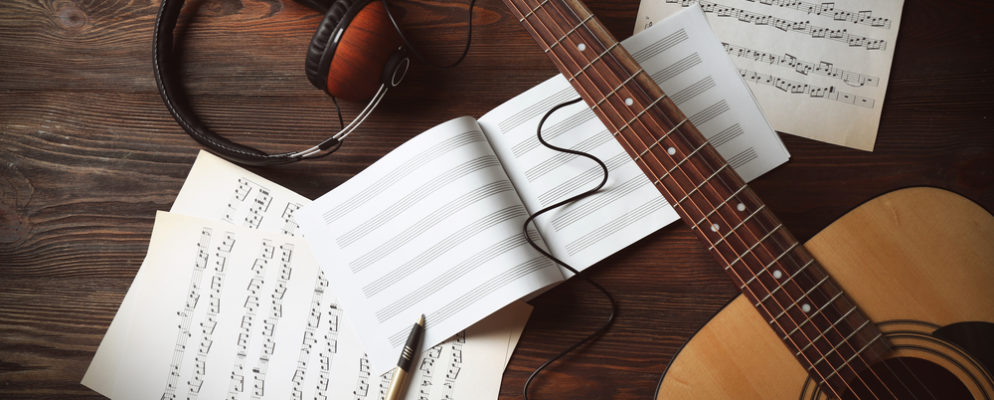
 Sheets Daily is a daily updated site for those who wants to access popular free sheet music easily,
letting them download the sheet music for free for trial purposes.
It's completely free to download and try the listed sheet music, but you have to delete the files after 24 hours of trial.
Don't forget, if you like the piece of music you have just learned playing,
treat the artist with respect, and go buy the original sheet music.
Sheets Daily is a daily updated site for those who wants to access popular free sheet music easily,
letting them download the sheet music for free for trial purposes.
It's completely free to download and try the listed sheet music, but you have to delete the files after 24 hours of trial.
Don't forget, if you like the piece of music you have just learned playing,
treat the artist with respect, and go buy the original sheet music.
Piano Sheet Music
 "I figured out how to get the guitar to rumble... I put it on the middle pickup, turn the tone knob down, grab it by the wang bar, and just shake it on the floor, a Stratocaster is pretty tough - I wouldn't recommend that anybody do that with their ES-335" Stevie Ray Vaughn
B.J. Thomas
Billy Joe Thomas (August 7, 1942 – May 29, 2021) was an American singer widely known for his pop, country, and Christian hits of the 1960s, 1970s and 1980s. He made popular recordings of "Hooked on a Feeling" (1968), "Raindrops Keep Fallin' on My Head" (1969), "(Hey Won't You Play) Another Somebody Done Somebody Wrong Song" (1975), "Don't Worry Baby" (1977) and "Whatever Happened to Old-Fashioned Love" (1983).Thomas was born in Hugo, Oklahoma, on August 7, 1942, the son of Geneva and Vernon Thomas. He grew up in and around Houston, Texas, graduating from Lamar Consolidated High School in Rosenberg. Before his solo career, he sang in a church choir as a teenager, then joined the musical group The Triumphs with Tim Griffith (lead guitar), Tom Griffith (bass), Denver "Zeke" Zatyka (keyboards), Don Drachenberg (vocal and sax), and Ted Mensik (drums). During his senior year, he made friends with Roy Head of Roy Head and The Traits. The Traits and the Triumphs held several Battle of the Bands events in the early 1960s.
Sally DeFord
Sally DeFord Musical artist Born: 1959 (age 60 years), Eugene, Oregon, United States
Record labels: Defordmusic, Defordmusic.com, Sally DeFord Music, Sally DeFord
Genres: Alt Contemporary Christian, Christian/Gospel
Albums: He Is My Song, MORE
Record labels: Defordmusic, Defordmusic.com, Sally DeFord Music, Sally DeFord
Genres: Alt Contemporary Christian, Christian/Gospel
Albums: He Is My Song, MORE
Nikolai Medtner
Nikolai Karlovich Medtner was a Russian composer and pianist. After a period of comparative obscurity in the twenty-five years immediately after his death, he is now becoming recognized as one of the most significant Russian composers for the piano.
Keith Jarrett
Keith Jarrett (born May 8, 1945 in Allentown, Pennsylvania) is an American pianist and composer.
His career started with Art Blakey, Charles Lloyd and Miles Davis. Since the early 1970s he has enjoyed a great deal of success in both classical music and jazz, as a group leader and a solo performer. His improvisation technique combines not only jazz, but also other forms of music, especially classical, gospel, blues and ethnic folk music.
In 2003 he received the Polar Music Prize, being the first (and to this day only) recipient not sharing the prize with anyone else.
His career started with Art Blakey, Charles Lloyd and Miles Davis. Since the early 1970s he has enjoyed a great deal of success in both classical music and jazz, as a group leader and a solo performer. His improvisation technique combines not only jazz, but also other forms of music, especially classical, gospel, blues and ethnic folk music.
In 2003 he received the Polar Music Prize, being the first (and to this day only) recipient not sharing the prize with anyone else.
Ernesto Nazareth
Ernesto Júlio de Nazareth (March 20, 1863 – February 1, 1934) was a Brazilian composer and pianist, especially noted for his creative Maxixe and Choro compositions. Influenced by African rhythms and many musical styles like the Lundu and the Choro, he never fully accepted this influence, refusing to give popular names to his compositions. A musician of classical training, he classified his music as "Brazilian tangos", since the Argentine tango and dances were considered fashionable at the time. His piano repertoire is now part of the teaching programs of both classical and popular styles, as Nazareth once served at the boundary between these two worlds.
Steve Swallow
Steve Swallow (born October 4, 1940) is a jazz fusion bassist and composer noted for his collaborations with Jimmy Giuffre, Gary Burton, and Carla Bley. He was one of the first jazz double bassists to switch entirely to electric bass guitar.
Robert Emmett Winsett
Robert Emmett Winsett (January 15, 1876 — June 26, 1952) was an American composer and publisher of gospel musicWinsett was born in Bledsoe County, Tennessee, and graduated from the Bowman Normal School of Music in 1899He founded his own publishing company in 1903, and his first publication, Winsett's Favorite Songs, quickly became popular among the Baptist and Pentecostal churches of the American South. Pentecostal Power followed in 1907; that year Winsett completed postgraduate work at a conservatory.
Traditional
Claude-Michel Schonberg
Claude-Michel Schönberg is a French record producer, actor, singer, songwriter, and musical theatre composer, best known for his collaborations with lyricist Alain Boublil. Major works include La Révolution Française, Les Misérables, Miss Saigon, Martin Guerre, The Pirate Queen, and Marguerite.
Speelklaar
Ready to Play- Easy Piano and Keyboard Edits - Music Score. Fast and reliable worldwide.
Ravel
Joseph-Maurice Ravel (March 7, 1875 – December 28, 1937) was a French composer of Impressionist music known especially for his melodies, orchestral and instrumental textures and effects. Much of his piano music, chamber music, vocal music and orchestral music has entered the standard concert repertoire.
Ravel's piano compositions, such as Jeux d'eau, Miroirs and Gaspard de la Nuit, demand considerable virtuosity from the performer, and his orchestral music, including Daphnis et Chloé and his arrangement of Modest Mussorgsky's Pictures at an Exhibition, uses a variety of sound and instrumentation very effectively.
Ravel is perhaps known best for his orchestral work, Boléro (1928), which he considered trivial and once described as "a piece for orchestra without music."
According to SACEM, Ravel's estate earns more royalties than that of any other French musician. According to international copyright law, Ravel's works are public domain since January 1, 2008 in most countries. In France, due to anomalous copyright law extensions to account for the two world wars, they will not enter the public domain until 2015.
Ravel's piano compositions, such as Jeux d'eau, Miroirs and Gaspard de la Nuit, demand considerable virtuosity from the performer, and his orchestral music, including Daphnis et Chloé and his arrangement of Modest Mussorgsky's Pictures at an Exhibition, uses a variety of sound and instrumentation very effectively.
Ravel is perhaps known best for his orchestral work, Boléro (1928), which he considered trivial and once described as "a piece for orchestra without music."
According to SACEM, Ravel's estate earns more royalties than that of any other French musician. According to international copyright law, Ravel's works are public domain since January 1, 2008 in most countries. In France, due to anomalous copyright law extensions to account for the two world wars, they will not enter the public domain until 2015.
Alan Silvestri
Alan Anthony Silvestri (born March 26, 1950) is an Academy Award-nominated American film score composer and conductor.
estri is best known for his collaborations with director Robert Zemeckis, having scored Romancing the Stone (1984), the Back to the Future trilogy (1985, 1989, 1990), Who Framed Roger Rabbit (1988), Death Becomes Her (1992), Forrest Gump (1994), Contact (1997), Cast Away (2000), The Polar Express (2004) , Beowulf (2007) and Disney's A Christmas Carol (2009).
Silvestri is also known for his work on Predator (1987) and Predator 2 (1990), both of which are considered preeminent examples of action/sci-fi film scores. He has also begun a collaboration with director Stephen Sommers, scoring the films The Mummy Returns in 2001, Van Helsing in 2004 and G.I. Joe: The Rise of Cobra in 2009.
Silvestri also composed music for television, including for the series Starsky & Hutch, CHiPs , Manimal and HBO's Tales from the Crypt.
Silvestri was 21 years old when he started his film/televsion composing career.
His early style is marked by a strong use of the "octatonic scale," as well as an eclectic use of different notes and instruments.
It was thought that Silvestri was allegedly inspired by the works of Barry DeVorzon, Perry Botkin, Jr., Lalo Schifrin, Jerry Fielding, Jerry Goldsmith and John Williams.
estri is best known for his collaborations with director Robert Zemeckis, having scored Romancing the Stone (1984), the Back to the Future trilogy (1985, 1989, 1990), Who Framed Roger Rabbit (1988), Death Becomes Her (1992), Forrest Gump (1994), Contact (1997), Cast Away (2000), The Polar Express (2004) , Beowulf (2007) and Disney's A Christmas Carol (2009).
Silvestri is also known for his work on Predator (1987) and Predator 2 (1990), both of which are considered preeminent examples of action/sci-fi film scores. He has also begun a collaboration with director Stephen Sommers, scoring the films The Mummy Returns in 2001, Van Helsing in 2004 and G.I. Joe: The Rise of Cobra in 2009.
Silvestri also composed music for television, including for the series Starsky & Hutch, CHiPs , Manimal and HBO's Tales from the Crypt.
Silvestri was 21 years old when he started his film/televsion composing career.
His early style is marked by a strong use of the "octatonic scale," as well as an eclectic use of different notes and instruments.
It was thought that Silvestri was allegedly inspired by the works of Barry DeVorzon, Perry Botkin, Jr., Lalo Schifrin, Jerry Fielding, Jerry Goldsmith and John Williams.
David Nevue
David Nevue is a solo piano composer and a pianist. He is the founder of Whisperings: Solo Piano Radio, an online radio station, as well as The Music Biz Academy, an educational web site for independent musicians. He is the author of the book, How to Promote Your Music Successfully on the Internet.
Carl Maria von Weber
Carl Maria Friedrich Ernst von Weber was a German composer, conductor, pianist, guitarist and critic, and was one of the first significant composers of the Romantic school.
Luciano Pavarotti
Luciano Pavarotti, Italian tenor. He is one of the most important vocal artists in the modern opera era. He was born in 1935 in Modena, Italy. His first musical experience was in the city choir with his father Fernando. When he was young, he went to Wales with his father, Gioachino Rossini.
Lady Gaga
Lady Gaga (born Stefani Joanne Angelina Germanotta on March 28, 1986) is an American recording artist. She began performing in the rock music scene of New York City's Lower East Side. She soon signed with Streamline Records, an imprint of Interscope Records, upon its establishment in 2007. During her early time at Interscope, she worked as a songwriter for fellow label artists and captured the attention of Akon, who recognized her vocal abilities, and had her also sign to his own label, Kon Live Distribution.
Her debut album, The Fame, was released on August 19, 2008. In addition to receiving generally positive reviews, it reached number-one in Canada, Austria, Germany, and Ireland and topped the Billboard Top Electronic Albums chart. Its first two singles, "Just Dance" and "Poker Face", co-written and co-produced with RedOne, became international number-one hits, topping the Hot 100 in the United States as well as other countries. The album later earned a total of six Grammy Award nominations and won awards for Best Electronic/Dance Album and Best Dance Recording. In early 2009, after having opened for New Kids on the Block and the Pussycat Dolls, she embarked on her first headlining tour, The Fame Ball Tour. By the fourth quarter of 2009, she released her second studio album The Fame Monster, with the global chart-topping lead single "Bad Romance", as well as having embarked on her second headlining tour of the year, The Monster Ball Tour.
Lady Gaga is inspired by glam rock musicians such as David Bowie and Freddie Mercury, as well as pop music artists such as Madonna and Michael Jackson. She has also stated fashion is a source of inspiration for her songwriting and performances. To date, she has sold over eight million albums and over thirty-five million singles worldwide.
Her debut album, The Fame, was released on August 19, 2008. In addition to receiving generally positive reviews, it reached number-one in Canada, Austria, Germany, and Ireland and topped the Billboard Top Electronic Albums chart. Its first two singles, "Just Dance" and "Poker Face", co-written and co-produced with RedOne, became international number-one hits, topping the Hot 100 in the United States as well as other countries. The album later earned a total of six Grammy Award nominations and won awards for Best Electronic/Dance Album and Best Dance Recording. In early 2009, after having opened for New Kids on the Block and the Pussycat Dolls, she embarked on her first headlining tour, The Fame Ball Tour. By the fourth quarter of 2009, she released her second studio album The Fame Monster, with the global chart-topping lead single "Bad Romance", as well as having embarked on her second headlining tour of the year, The Monster Ball Tour.
Lady Gaga is inspired by glam rock musicians such as David Bowie and Freddie Mercury, as well as pop music artists such as Madonna and Michael Jackson. She has also stated fashion is a source of inspiration for her songwriting and performances. To date, she has sold over eight million albums and over thirty-five million singles worldwide.
Purcell
Henry Purcell (pronounced /ˈpɜrsəl/; 10 September 1659 (?) – 21 November 1695), was an English organist and Baroque composer of secular and sacred music. Although Purcell incorporated Italian and French stylistic elements into his compositions, his legacy was a uniquely English form of Baroque music.
Adam Gwon
Adam Gwon is an American composer and lyricist living in New York City. While studying acting at NYU, Gwon was encouraged to pursue writing by a teacher, David Bucknam, and was later mentored by the musical theater writing team of Lynn Ahrens and Stephen Flaherty. Gwon is of Chinese-American and Jewish descent.[5
John Lennon
John Winston Ono Lennon, MBE (born John Winston Lennon; October 9, 1940 – December 8, 1980) was an English rock musician, singer, songwriter, artist, and peace activist who gained worldwide fame as one of the founding members of The Beatles. As a member of the group, Lennon was one of the lead vocalists and co-wrote many of the band's songs with Paul McCartney.
In his solo career, Lennon wrote and recorded songs such as "Give Peace a Chance" and "Imagine". Lennon revealed his rebellious nature and wit on television, in films such as A Hard Day's Night, in books such as In His Own Write, and in press conferences and interviews. He was controversial through his work as a peace activist, artist, and author.
Lennon had two sons: Julian Lennon, with his first wife Cynthia Lennon, and Sean Ono Lennon, with his second wife, avant-garde artist Yoko Ono. After a self-imposed retirement from 1976 to 1980, Lennon reemerged with a comeback album, but was murdered one month later in New York City on 8 December 1980. In 2002, respondents to a BBC poll on the 100 Greatest Britons voted Lennon into eighth place. In 2004, Rolling Stone magazine ranked Lennon number 38 on its list of "The Immortals: The Fifty Greatest Artists of All Time" and ranked The Beatles at number one.
In his solo career, Lennon wrote and recorded songs such as "Give Peace a Chance" and "Imagine". Lennon revealed his rebellious nature and wit on television, in films such as A Hard Day's Night, in books such as In His Own Write, and in press conferences and interviews. He was controversial through his work as a peace activist, artist, and author.
Lennon had two sons: Julian Lennon, with his first wife Cynthia Lennon, and Sean Ono Lennon, with his second wife, avant-garde artist Yoko Ono. After a self-imposed retirement from 1976 to 1980, Lennon reemerged with a comeback album, but was murdered one month later in New York City on 8 December 1980. In 2002, respondents to a BBC poll on the 100 Greatest Britons voted Lennon into eighth place. In 2004, Rolling Stone magazine ranked Lennon number 38 on its list of "The Immortals: The Fifty Greatest Artists of All Time" and ranked The Beatles at number one.
Elton John
Sir Elton Hercules John CBE (born Reginald Kenneth Dwight on 25 March 1947) is an English pop/rock singer, composer and pianist.
In his four-decade career, John has been one of the dominant forces in rock and popular music, especially during the 1970s. He has sold over 200 million records, making him one of the most successful artists of all time. He has more than 50 Top 40 hits including seven consecutive No. 1 U.S. albums, 59 Top 40 singles, 16 Top 10, four No. 2 hits, and nine No. 1 hits. He has won five Grammy awards and one Academy Award. His success has had a profound impact on popular music and has contributed to the continued popularity of the piano in rock and roll. In 2004, Rolling Stone ranked him #49 on their list of the 100 greatest artists of all time.
Some of the characteristics of John's musical talent include an ability to quickly craft melodies for the lyrics of songwriting partner Bernie Taupin, his former rich tenor (now baritone) voice, his classical and gospel-influenced piano, the aggressive orchestral arrangements of Paul Buckmaster among others and the flamboyant fashions, outlandishly excessive eyeglasses, and on-stage showmanship, especially evident during the 1970s.
John was inducted into the Rock and Roll Hall of Fame in 1994. He has been heavily involved in the fight against AIDS since the late 1980s, and was knighted in 1998. He entered into a civil partnership with David Furnish on 21 December 2005 and continues to be a champion for LGBT social movements. On April 9, 2008, John held a benefit concert for Hillary Clinton's presidential campaign, raising $2.5 million.
In his four-decade career, John has been one of the dominant forces in rock and popular music, especially during the 1970s. He has sold over 200 million records, making him one of the most successful artists of all time. He has more than 50 Top 40 hits including seven consecutive No. 1 U.S. albums, 59 Top 40 singles, 16 Top 10, four No. 2 hits, and nine No. 1 hits. He has won five Grammy awards and one Academy Award. His success has had a profound impact on popular music and has contributed to the continued popularity of the piano in rock and roll. In 2004, Rolling Stone ranked him #49 on their list of the 100 greatest artists of all time.
Some of the characteristics of John's musical talent include an ability to quickly craft melodies for the lyrics of songwriting partner Bernie Taupin, his former rich tenor (now baritone) voice, his classical and gospel-influenced piano, the aggressive orchestral arrangements of Paul Buckmaster among others and the flamboyant fashions, outlandishly excessive eyeglasses, and on-stage showmanship, especially evident during the 1970s.
John was inducted into the Rock and Roll Hall of Fame in 1994. He has been heavily involved in the fight against AIDS since the late 1980s, and was knighted in 1998. He entered into a civil partnership with David Furnish on 21 December 2005 and continues to be a champion for LGBT social movements. On April 9, 2008, John held a benefit concert for Hillary Clinton's presidential campaign, raising $2.5 million.
Clifford Brown
Clifford Brown, American jazz trumpeter. In 1953 he entered the Lionel Hampton orchestra. In 1954, together with drummer Max Roach, he formed a quintet that quickly became famous. It has established itself with its powerful work, richness of inventions and beautiful timbre. His style is a transition between "bop" and "cool".
Ernest Chausson
Amédée-Ernest Chausson (French: ; 20 January 1855 – 10 June 1899) was a French Romantic composer who died just as his career was beginning to flourish.Born in Paris into an affluent bourgeois family, Ernest Chausson was the sole surviving child of a building contractor who had made his fortune assisting Baron Haussmann in the redevelopment of Paris in the 1850s. To please his father, Chausson studied law and was appointed a barrister for the Court of Appeals, but had little or no interest in the profession.
Niels Gade
Niels Wilhelm Gade (22 February 1817 – 21 December 1890) was a Danish composer, conductor, violinist, organist and teacher. He is considered the most important Danish musician of his day.[1Gade was born in Copenhagen, the son of a joiner and instrument maker. He began his career as a violinist with the Royal Danish Orchestra, which premiered his concert overture Efterklange af Ossian ("Echoes of Ossian") in 1841. When his first symphony was turned down for performance in Copenhagen, he sent it to Felix Mendelssohn.
Queen
Queen were an English rock band formed in 1970 in London by guitarist Brian May, lead vocalist Freddie Mercury, and drummer Roger Taylor, with bass guitarist John Deacon completing the lineup the following year. While it is uncertain how many albums the band has sold, estimations range from 130 million to over 300 million albums worldwide.
The band is noted for their musical diversity, multi-layered arrangements, vocal harmonies, and incorporation of audience participation into their live performances. Their 1985 Live Aid performance was voted the best live rock performance of all time in an industry poll.
Queen had moderate success in the early 1970s, with the albums Queen and Queen II, but it was with the release of Sheer Heart Attack in 1974 and A Night at the Opera the following year that the band gained international success. They have released fifteen studio albums, five live albums, and numerous compilation albums. Eighteen of these have reached number one on charts around the world.
Following Mercury's death in 1991 and Deacon's retirement later in the decade, May and Taylor have performed infrequently under the Queen name. Since 2005 they have been collaborating with Paul Rodgers, under the moniker Queen + Paul Rodgers.
The band is noted for their musical diversity, multi-layered arrangements, vocal harmonies, and incorporation of audience participation into their live performances. Their 1985 Live Aid performance was voted the best live rock performance of all time in an industry poll.
Queen had moderate success in the early 1970s, with the albums Queen and Queen II, but it was with the release of Sheer Heart Attack in 1974 and A Night at the Opera the following year that the band gained international success. They have released fifteen studio albums, five live albums, and numerous compilation albums. Eighteen of these have reached number one on charts around the world.
Following Mercury's death in 1991 and Deacon's retirement later in the decade, May and Taylor have performed infrequently under the Queen name. Since 2005 they have been collaborating with Paul Rodgers, under the moniker Queen + Paul Rodgers.
Hans Zimmer
Hans Florian Zimmer (born September 12, 1957) is a German film score composer and music producer. He has composed music for over 100 films, including Hollywood blockbusters such as the Pirates of the Caribbean series, Gladiator, The Lion King, The Da Vinci Code and The Dark Knight.
Zimmer spent the early part of his career in the United Kingdom before moving to the United States. He is the head of the film music division at DreamWorks studios, and works with other composers through the company which he founded, Remote Control Productions. His work is notable for integrating electronic music sounds with traditional orchestral arrangements.
Zimmer spent the early part of his career in the United Kingdom before moving to the United States. He is the head of the film music division at DreamWorks studios, and works with other composers through the company which he founded, Remote Control Productions. His work is notable for integrating electronic music sounds with traditional orchestral arrangements.
Johann Sebastian Bach
Johann Sebastian Bach (31 March 1685 – 28 July 1750) was a German composer and musician of the Baroque period. He is known for instrumental compositions such as the Art of Fugue, the Brandenburg Concertos, and the Goldberg Variations, and for vocal music such as the St Matthew Passion and the Mass in B minor. Since the 19th-century Bach Revival he has been generally regarded as one of the greatest composers of the Western art musical canon.
mark turner
Mark Turner (born November 10, 1965) is an American jazz saxophonist.Born in Fairborn, Ohio, and raised in the small Southern California town of Palos Verdes Estates, Turner originally intended to become a commercial artist. In elementary school he played the clarinet, followed by the alto and tenor saxophones in high school. He attended California State University, Long Beach in the 1980s (playing in the jazz ensembles) and then transferred to and graduated from Berklee College of Music in 1990 before moving to New York. Turner worked at Tower Records in New York City for an extended period before working full-time as a jazz musician.
Ludwig van Beethoven
Ludwig van Beethoven (/ˈlʊdvɪɡ væn ˈbeɪt(h)oʊvən/ (About this soundlisten); German: (About this soundlisten); baptised 17 December 1770 – 26 March 1827) was a German composer and pianist. A crucial figure in the transition between the classical and romantic eras in classical music, he remains one of the most recognized and influential musicians of this period, and is considered to be one of the greatest composers of all time.
Beethoven was born in Bonn, the capital of the Electorate of Cologne, and part of the Holy Roman Empire. He displayed his musical talents at an early age and was vigorously taught by his father Johann van Beethoven, and was later taught by composer and conductor Christian Gottlob Neefe. At age 21, he moved to Vienna and studied composition with Joseph Haydn. Beethoven then gained a reputation as a virtuoso pianist, and was soon courted by Prince Lichnowsky for compositions, which resulted in Opus 1 in 1795.
Beethoven was born in Bonn, the capital of the Electorate of Cologne, and part of the Holy Roman Empire. He displayed his musical talents at an early age and was vigorously taught by his father Johann van Beethoven, and was later taught by composer and conductor Christian Gottlob Neefe. At age 21, he moved to Vienna and studied composition with Joseph Haydn. Beethoven then gained a reputation as a virtuoso pianist, and was soon courted by Prince Lichnowsky for compositions, which resulted in Opus 1 in 1795.
Freestyle
Freestyle is a pop/R&B band from the Philippines formed in 1996 and hit mainstream in 1998. The band is famous for the songs "Before I Let You Go", "So Slow", "This Time" and "Bakit Ngayon Ka Lang?".
Enrique Jorrín
Enrique Jorrín was a Cuban charanga violinist, composer and music director. He is considered the inventor of the cha-cha-chá, a popular style of ballroom music derived from danzón.
Edmund Goulding
He also directed the classic film noir Nightmare Alley (1947) with Tyrone Power and Joan Blondell, and the action drama The Dawn Patrol. He was also a successful songwriter, composer, and producer.
Michel Camilo
Michel Camilo (born April 4, 1954) is a pianist and composer from Santo Domingo, Dominican Republic. He is known as a great jazz, Latin and classical pianist with superb technical ability, and has played and recorded with many world-famous musicians. Michel lists some of his main influences as Chick Corea, Keith Jarrett, Oscar Peterson, Bill Evans, and Art Tatum.
Paganini
Niccolò Paganini (27 October 1782 – 27 May 1840) was an Italian violinist, violist, guitarist, and composer. He was one of the most celebrated violin virtuosi of his time, and left his mark as one of the pillars of modern violin technique. His caprice in A minor, Op. 1 No. 24 is among his best known of compositions, and serves as inspiration for many prominent artists.
Paganini composed his own works to play exclusively in his concerts, all of which had profound influences on the evolution of violin techniques. His 24 Caprices were probably composed in the period between 1805 to 1809, while he was in the service of the Baciocchi court. Also during this period, he composed the majority of the solo pieces, duo-sonatas,trios and quartets for the guitar. These chamber works may have been inspired by the publication, in Lucca, of the guitar quintets of Boccherini. Many of his variations (and he has become the de facto master of this musical genre), including Le Streghe, The Carnival of Venice, and Nel cor più non mi sento, were composed, or at least first performed, before his European concert tour.
Playbill of Paganini's concert at the Covent Garden in 1832. Note that all solo pieces were of his composition, which was typical of all his concerts.
Generally speaking, Paganini's compositions were technically imaginative, and the timbre of the instrument was greatly expanded as a result of these works. Sounds of different musical instruments and animals were often imitated. One such composition was titled Il Fandango Spanolo (The Spanish Dance), which featured a series of humorous imitations of farm animals. Even more outrageous was a solo piece Duetto Amoroso, in which the sighs and groans of lovers were intimately depicted on the violin. Fortunately there survives a manuscript of the Duetto which has been recorded, while the existence of the Fandango is known only through concert posters.
However, his works were criticized for lacking characteristics of true polyphonism, as pointed out by Eugène Ysaÿe. Yehudi Menuhin, on the other hand, suggested that this might have been the result of his reliance on the guitar (in lieu of the piano) as an aid in composition. The orchestral parts for his concertos were often polite, unadventurous, and clearly supportive of the soloist. In this, his style is consistent with that of other Italian composers such as Paisiello, Rossini and Donizetti, who were influenced by the guitar-song milieu of Naples during this period.
Paganini was also the inspiration of many prominent composers. Both "La Campanella" and the A minor caprice (Nr. 24) have been an object of interest for a number of composers. Franz Liszt, Johannes Brahms, Sergei Rachmaninoff, Boris Blacher, Andrew Lloyd Webber, George Rochberg and Witold Lutosławski, among others, wrote well-known variations on these themes.
Paganini composed his own works to play exclusively in his concerts, all of which had profound influences on the evolution of violin techniques. His 24 Caprices were probably composed in the period between 1805 to 1809, while he was in the service of the Baciocchi court. Also during this period, he composed the majority of the solo pieces, duo-sonatas,trios and quartets for the guitar. These chamber works may have been inspired by the publication, in Lucca, of the guitar quintets of Boccherini. Many of his variations (and he has become the de facto master of this musical genre), including Le Streghe, The Carnival of Venice, and Nel cor più non mi sento, were composed, or at least first performed, before his European concert tour.
Playbill of Paganini's concert at the Covent Garden in 1832. Note that all solo pieces were of his composition, which was typical of all his concerts.
Generally speaking, Paganini's compositions were technically imaginative, and the timbre of the instrument was greatly expanded as a result of these works. Sounds of different musical instruments and animals were often imitated. One such composition was titled Il Fandango Spanolo (The Spanish Dance), which featured a series of humorous imitations of farm animals. Even more outrageous was a solo piece Duetto Amoroso, in which the sighs and groans of lovers were intimately depicted on the violin. Fortunately there survives a manuscript of the Duetto which has been recorded, while the existence of the Fandango is known only through concert posters.
However, his works were criticized for lacking characteristics of true polyphonism, as pointed out by Eugène Ysaÿe. Yehudi Menuhin, on the other hand, suggested that this might have been the result of his reliance on the guitar (in lieu of the piano) as an aid in composition. The orchestral parts for his concertos were often polite, unadventurous, and clearly supportive of the soloist. In this, his style is consistent with that of other Italian composers such as Paisiello, Rossini and Donizetti, who were influenced by the guitar-song milieu of Naples during this period.
Paganini was also the inspiration of many prominent composers. Both "La Campanella" and the A minor caprice (Nr. 24) have been an object of interest for a number of composers. Franz Liszt, Johannes Brahms, Sergei Rachmaninoff, Boris Blacher, Andrew Lloyd Webber, George Rochberg and Witold Lutosławski, among others, wrote well-known variations on these themes.
Scott Alan
cott Alan is an American songwriter who has released eight albums, beginning with his debut album Dreaming Wide Awake.[2
Brahms
Johannes Brahms (May 7, 1833 â April 3, 1897) was a German composer of the Romantic period. He was born in Hamburg and in his later years he settled in Vienna, Austria.
Brahms maintained a Classical sense of form and order in his works â in contrast to the opulence of the music of many of his contemporaries. Thus many admirers (though not necessarily Brahms himself) saw him as the champion of traditional forms and "pure music," as opposed to the New German embrace of program music.
Brahms venerated Beethoven: in the composer's home, a marble bust of Beethoven looked down on the spot where he composed, and some passages in his works are reminiscent of Beethoven's style. The main theme of the finale of Brahms's First Symphony is reminiscent of the main theme of the finale of Beethoven's Ninth, and when this resemblance was pointed out to Brahms he replied that any ass â jeder Esel â could see that.
Ein deutsches Requiem was partially inspired by his mother's death in 1865, but also incorporates material from a Symphony he started in 1854, but abandoned following Schumann's suicide attempt. He once wrote that the Requiem "belonged to Schumann". The first movement of this abandoned Symphony was re-worked as the first movement of the First Piano Concerto.
Brahms also loved the Classical composers Mozart and Haydn. He collected first editions and autographs of their works, and edited performing editions. He also studied the music of pre-classical composers, including Giovanni Gabrieli, Johann Adolph Hasse, Heinrich Schütz and especially Johann Sebastian Bach. His friends included leading musicologists, and with Friedrich Chrysander he edited an edition of the works of François Couperin. He looked to older music for inspiration in the arts of strict counterpoint; the themes of some of his works are modelled on Baroque sources, such as Bach's The Art of Fugue in the fugal finale of Cello Sonata No. 1, or the same composer's Cantata No. 150 in the passacaglia theme of the Fourth Symphony's finale.
Brahms maintained a Classical sense of form and order in his works â in contrast to the opulence of the music of many of his contemporaries. Thus many admirers (though not necessarily Brahms himself) saw him as the champion of traditional forms and "pure music," as opposed to the New German embrace of program music.
Brahms venerated Beethoven: in the composer's home, a marble bust of Beethoven looked down on the spot where he composed, and some passages in his works are reminiscent of Beethoven's style. The main theme of the finale of Brahms's First Symphony is reminiscent of the main theme of the finale of Beethoven's Ninth, and when this resemblance was pointed out to Brahms he replied that any ass â jeder Esel â could see that.
Ein deutsches Requiem was partially inspired by his mother's death in 1865, but also incorporates material from a Symphony he started in 1854, but abandoned following Schumann's suicide attempt. He once wrote that the Requiem "belonged to Schumann". The first movement of this abandoned Symphony was re-worked as the first movement of the First Piano Concerto.
Brahms also loved the Classical composers Mozart and Haydn. He collected first editions and autographs of their works, and edited performing editions. He also studied the music of pre-classical composers, including Giovanni Gabrieli, Johann Adolph Hasse, Heinrich Schütz and especially Johann Sebastian Bach. His friends included leading musicologists, and with Friedrich Chrysander he edited an edition of the works of François Couperin. He looked to older music for inspiration in the arts of strict counterpoint; the themes of some of his works are modelled on Baroque sources, such as Bach's The Art of Fugue in the fugal finale of Cello Sonata No. 1, or the same composer's Cantata No. 150 in the passacaglia theme of the Fourth Symphony's finale.
Gerardo Di Giusto
Pianist and composer Gerardo Di Giusto was born on January 30, 1961 in Córdoba, Argentina. After attending the National Music Academy of Córdoba, he furthered his studies in music in Paris at the "CIM" Jazz school and the "Ecole Normale de Musique de Paris" where he graduated with a degree in Musical Direction.
Sam Watts
Sam Watts is a pianist and composer specialising in Brazilian music and Jazz. He has recorded and performed with artists including Jean Toussaint, Jason Miles, Jason Marsalis, Abram Wilson and Judi Jackson. In 2017 he released his debut album “Mime Music” on the SPARK!
Wicked
Wicked is a musical with songs and lyrics by Stephen Schwartz and a book by Winnie Holzman. The story is based on the best-selling novel Wicked: The Life and Times of the Wicked Witch of the West by Gregory Maguire, a parallel novel of L. Frank Baum's classic story The Wonderful Wizard of Oz from the perspective of the witches of the Land of Oz.
Wicked tells the story of Elphaba, the future Wicked Witch of the West and her relationship with Glinda, the Good Witch of the North. Their friendship struggles through their opposing personalities and viewpoints, rivalry over the same love-interest, their reactions to the Wizard's corrupt government, and, ultimately, Elphaba's public fall from grace. The plot is set mostly before Dorothy's arrival from Kansas, and includes several references to well-known scenes and dialogue in the 1939 film The Wizard of Oz.
The musical debuted on Broadway on October 30, 2003. It is produced by Universal Pictures and directed by Joe Mantello, with musical staging by Wayne Cilento. Its original stars were Idina Menzel as Elphaba, Kristin Chenoweth as Glinda, and Joel Grey as the Wizard. Although the production received mixed reviews and was panned by The New York Times, it has proved to be a favorite among patrons. The Broadway production's success spawned productions in Chicago, Los Angeles, London's West End, Tokyo, Melbourne, and Stuttgart, along with two North American tours that have visited over 30 cities in Canada and the United States.
The score of Wicked is heavily thematic, bearing in some senses more resemblance to a film score than a musical's score. While many musicals' scores develop new motifs and melodies for each song with little overlap, Schwartz integrated a handful of leitmotifs throughout the production. A cast recording of the original Broadway production was released on December 16, 2003, by Universal Music. All of the songs featured on stage are present on the recording with the exception of "The Wizard And I (Reprise)" and "The Wicked Witch of the East". The short reprise of "No One Mourns The Wicked" that opens Act II is attached to the beginning of "Thank Goodness". The music was arranged by Stephen Oremus, who was also the conductor and director, and James Lynn Abbott, with orchestrations by William David Brohn. The recording received the Grammy Award for Best Musical Show Album in 2005 and was certified platinum by the RIAA on November 30, 2006.
Wicked tells the story of Elphaba, the future Wicked Witch of the West and her relationship with Glinda, the Good Witch of the North. Their friendship struggles through their opposing personalities and viewpoints, rivalry over the same love-interest, their reactions to the Wizard's corrupt government, and, ultimately, Elphaba's public fall from grace. The plot is set mostly before Dorothy's arrival from Kansas, and includes several references to well-known scenes and dialogue in the 1939 film The Wizard of Oz.
The musical debuted on Broadway on October 30, 2003. It is produced by Universal Pictures and directed by Joe Mantello, with musical staging by Wayne Cilento. Its original stars were Idina Menzel as Elphaba, Kristin Chenoweth as Glinda, and Joel Grey as the Wizard. Although the production received mixed reviews and was panned by The New York Times, it has proved to be a favorite among patrons. The Broadway production's success spawned productions in Chicago, Los Angeles, London's West End, Tokyo, Melbourne, and Stuttgart, along with two North American tours that have visited over 30 cities in Canada and the United States.
The score of Wicked is heavily thematic, bearing in some senses more resemblance to a film score than a musical's score. While many musicals' scores develop new motifs and melodies for each song with little overlap, Schwartz integrated a handful of leitmotifs throughout the production. A cast recording of the original Broadway production was released on December 16, 2003, by Universal Music. All of the songs featured on stage are present on the recording with the exception of "The Wizard And I (Reprise)" and "The Wicked Witch of the East". The short reprise of "No One Mourns The Wicked" that opens Act II is attached to the beginning of "Thank Goodness". The music was arranged by Stephen Oremus, who was also the conductor and director, and James Lynn Abbott, with orchestrations by William David Brohn. The recording received the Grammy Award for Best Musical Show Album in 2005 and was certified platinum by the RIAA on November 30, 2006.
Tchaikovsky
Pyotr Il'yich Tchaikovsky (May 7 1840 â November 6 1893) was a Russian composer of the Romantic era. While not part of the nationalistic music group known as "The Five", Tchaikovsky wrote music which, in the opinion of Harold Schonberg, was distinctly Russian: plangent, introspective, with modally-inflected melody and harmony.
Aesthetically, Tchaikovsky remained open to all aspects of Saint Petersburg musical life. He was impressed by Serov and Balakirev as well as the classical values upheld by the conservatory. Both the progressive and conservative camps in Russian music at the time attempted to win him over. Tchaikovsky charted his compositional course between these two factions, retaining his individuality as a composer as well as his Russian identity. In this he was influenced by the ideals of his teacher Nikolai Rubinstein and Nikolai's brother Anton.
Tchaikovsky's musical cosmopolitanism led him to be favored by many Russian music-lovers over the "Russian" harmonies and styles of Mussorgsky, Borodin and Rimsky-Korsakov.
Nonetheless he frequently adapted Russian traditional melodies and dance forms in his music, which enhanced his success in his home country. The success in St. Petersburg at the premiere of his Third Orchestral Suite may have been due in large part to his concluding the work with a polonaise. He also used a polonaise for the final movement of his Third Symphony.
Aesthetically, Tchaikovsky remained open to all aspects of Saint Petersburg musical life. He was impressed by Serov and Balakirev as well as the classical values upheld by the conservatory. Both the progressive and conservative camps in Russian music at the time attempted to win him over. Tchaikovsky charted his compositional course between these two factions, retaining his individuality as a composer as well as his Russian identity. In this he was influenced by the ideals of his teacher Nikolai Rubinstein and Nikolai's brother Anton.
Tchaikovsky's musical cosmopolitanism led him to be favored by many Russian music-lovers over the "Russian" harmonies and styles of Mussorgsky, Borodin and Rimsky-Korsakov.
Nonetheless he frequently adapted Russian traditional melodies and dance forms in his music, which enhanced his success in his home country. The success in St. Petersburg at the premiere of his Third Orchestral Suite may have been due in large part to his concluding the work with a polonaise. He also used a polonaise for the final movement of his Third Symphony.
Brian Crain
Since 1996 Brian Crain has been composing, recording and distributing music through his own record company, Crain Records, Inc.Date of birth: Hollywood, Los Angeles, California, USA Education: San Diego State University
Works with: NUB MUSIC, BrianCrain.com Records, Crain Records, Lifestyle Music Group
Works with: NUB MUSIC, BrianCrain.com Records, Crain Records, Lifestyle Music Group
Demi Lovato
Demetria "Demi" Devonne Lovato (born August 20, 1992) is an American actress, singer and songwriter. She is best known for her role as Mitchie Torres in the Disney Channel Original Movie Camp Rock and for her role as Charlotte Adams in the short five-minute Disney Channel series As The Bell Rings. She is currently on the Burning Up Tour with the Jonas Brothers.
Oliver Toussaint
Olivier Toussaint is a French composer, pop singer, orchestra arranger, company manager, and record producer.
Arvo Pärt
Arvo Pärt is an Estonian composer of classical and religious music. Since the late 1970s, Pärt has worked in a minimalist style that employs his self-invented compositional technique, tintinnabuli. Pärt's music is in part inspired by Gregorian chant.
Cécile Louise Stéphanie Chaminade
Cécile Louise Stéphanie Chaminade (8 August 1857 – 13 April 1944) was a French composer and pianist. In 1913, she was awarded the Légion d'Honneur, ...
David Gates
David Gates (born December 11, 1940, in Tulsa, Oklahoma) is an American singer-songwriter, best known as the lead singer of the group Bread, which during the 1970s peaked the music charts with numerous well known songs. The band is now in the Vocal Group Hall of Fame.
The David Gates Songbook, containing earlier hit singles and new material, was released in 2002. Gates's songs have been recorded by many artists, including Telly Savalas, who had a UK #1 hit with "If" in 1975; Vesta Williams, who made a rendition of "Make It With You" in 1988; the band CAKE, which covered "The Guitar Man" in 2004; Ray Parker Jr, who also recorded "The Guitar Man" in 2006; and Boy George, who took "Everything I Own" to #1 on the UK chart, when he covered the Ken Boothe reggae version of Gates's song, which itself had been a UK #1 in 1974. The lyrics sung by Boothe differ from the Gates original, most notably in the title itself, which Boothe sings as "Anything I Own"!
The David Gates Songbook, containing earlier hit singles and new material, was released in 2002. Gates's songs have been recorded by many artists, including Telly Savalas, who had a UK #1 hit with "If" in 1975; Vesta Williams, who made a rendition of "Make It With You" in 1988; the band CAKE, which covered "The Guitar Man" in 2004; Ray Parker Jr, who also recorded "The Guitar Man" in 2006; and Boy George, who took "Everything I Own" to #1 on the UK chart, when he covered the Ken Boothe reggae version of Gates's song, which itself had been a UK #1 in 1974. The lyrics sung by Boothe differ from the Gates original, most notably in the title itself, which Boothe sings as "Anything I Own"!
Eric Clapton
Eric Patrick Clapton, CBE (born 30 March 1945), is an English blues-rock guitarist, singer, songwriter and composer. He is one of the most successful musicians of the 20th and 21st centuries, garnering an unprecedented three inductions into the Rock and Roll Hall of Fame (The Yardbirds, Cream, and solo). Often viewed by critics and fans alike as one of the greatest guitarists of all time, Clapton was ranked fourth in Rolling Stone Magazine's list of the "100 Greatest Guitarists of All Time" and #53 on their list of the Immortals: 100 Greatest Artists of All Time.
Although Clapton's musical style has varied throughout his career, it has usually remained rooted in the blues. Clapton is credited as an innovator in several phases of his career, which have included blues-rock (with John Mayall & the Bluesbreakers and The Yardbirds) and psychedelic rock (with Cream). Clapton has also achieved great chart success in genres ranging from Delta blues (Me and Mr. Johnson) to pop ("Change the World") and reggae (Bob Marley's "I Shot the Sheriff"). Clapton also achieved fame with Derek and the Dominos through the hit song "Layla".
Although Clapton's musical style has varied throughout his career, it has usually remained rooted in the blues. Clapton is credited as an innovator in several phases of his career, which have included blues-rock (with John Mayall & the Bluesbreakers and The Yardbirds) and psychedelic rock (with Cream). Clapton has also achieved great chart success in genres ranging from Delta blues (Me and Mr. Johnson) to pop ("Change the World") and reggae (Bob Marley's "I Shot the Sheriff"). Clapton also achieved fame with Derek and the Dominos through the hit song "Layla".
Sufjan Stevens
Sufjan Stevens is an American singer, songwriter, and multi-instrumentalist. He has released eight solo studio albums and multiple collaborative albums with other artists. Stevens has received Academy Award and Grammy Award nominations.
Edward Bunting
Edward Bunting (1773–1843) was an Irish musician and folk music collector.Bunting was born in County Armagh, Ireland. At the age of seven he was sent to study music at Drogheda and at eleven he was apprenticed to William Ware, organist at St. Anne's church in Belfast and lived with the family of Henry Joy McCracken. At nineteen he was engaged to transcribe music from oral-tradition harpists at the Belfast Harp Festival in 1792. As Bunting was a classically trained musician, he did not understand the unique characteristics of Irish music, such as modes, and when transcribing tunes he 'corrected' them according to Classical music rules. One proof of this is that some tunes published by him were in keys that could not have been played by the harpists. His notes on the harpists, how they played and the terminology they used is however invaluable, and also many tunes would have been lost if he had not collected them.
Stephan Beneking
Stephan Beneking, award-winning composer, is based in Berlin, Germany. He is one of the most prolific composers of New Classical Piano works. Benekings original compositions are in neoclassical, classical, romantic, melancholic, melodic and contemporary modern classical style for piano solo. .
Reborn!
Reborn!, known in Japan as Katekyō Hitman Reborn!, is a Japanese manga series written and illustrated by Akira Amano. It follows Tsunayoshi Sawada, a young boy who discovers that he is next in line to become boss of the Vongola family, a powerful Mafia organization.
Alan Belkin
Alan Belkin is a Canadian composer, organist, pianist as well as a pedagogue. Date of birth: July 5, 1951 (68 years old), Montreal, Canada Education: The Juilliard School Books: Musical Composition: Craft and Art
Schubert
Franz Peter Schubert (January 31, 1797 – November 19, 1828) was an Austrian composer. He wrote some 600 lieder, nine symphonies (including the famous "Unfinished Symphony"), liturgical music, operas, and a large body of chamber and solo piano music. He is particularly noted for his original melodic and harmonic writing.
While Schubert had a close circle of friends and associates who admired his work (including his teacher Antonio Salieri, and the prominent singer Johann Michael Vogl), wider appreciation of his music during his lifetime was limited at best. He was never able to secure adequate permanent employment, and for most of his career he relied on the support of friends and family. Interest in Schubert's work increased dramatically in the decades following his death and he is now widely considered to be one of the greatest composers in the Western tradition.
While he was clearly influenced by the Classical sonata forms of Beethoven and Mozart (his early works, among them notably the 5th Symphony, are particularly Mozartean), his formal structures and his developments tend to give the impression more of melodic development than of harmonic drama. This combination of Classical form and long-breathed Romantic melody sometimes lends them a discursive style: his 9th Symphony was described by Robert Schumann as running to "heavenly lengths". His harmonic innovations include movements in which the first section ends in the key of the subdominant rather than the dominant (as in the last movement of the Trout Quintet). Schubert's practice here was a forerunner of the common Romantic technique of relaxing, rather than raising, tension in the middle of a movement, with final resolution postponed to the very end.
While Schubert had a close circle of friends and associates who admired his work (including his teacher Antonio Salieri, and the prominent singer Johann Michael Vogl), wider appreciation of his music during his lifetime was limited at best. He was never able to secure adequate permanent employment, and for most of his career he relied on the support of friends and family. Interest in Schubert's work increased dramatically in the decades following his death and he is now widely considered to be one of the greatest composers in the Western tradition.
While he was clearly influenced by the Classical sonata forms of Beethoven and Mozart (his early works, among them notably the 5th Symphony, are particularly Mozartean), his formal structures and his developments tend to give the impression more of melodic development than of harmonic drama. This combination of Classical form and long-breathed Romantic melody sometimes lends them a discursive style: his 9th Symphony was described by Robert Schumann as running to "heavenly lengths". His harmonic innovations include movements in which the first section ends in the key of the subdominant rather than the dominant (as in the last movement of the Trout Quintet). Schubert's practice here was a forerunner of the common Romantic technique of relaxing, rather than raising, tension in the middle of a movement, with final resolution postponed to the very end.