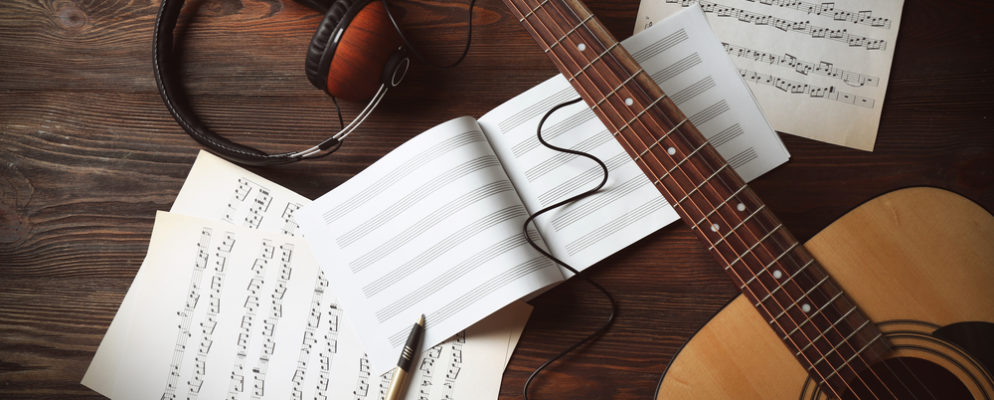
 Sheets Daily is a daily updated site for those who wants to access popular free sheet music easily,
letting them download the sheet music for free for trial purposes.
It's completely free to download and try the listed sheet music, but you have to delete the files after 24 hours of trial.
Don't forget, if you like the piece of music you have just learned playing,
treat the artist with respect, and go buy the original sheet music.
Sheets Daily is a daily updated site for those who wants to access popular free sheet music easily,
letting them download the sheet music for free for trial purposes.
It's completely free to download and try the listed sheet music, but you have to delete the files after 24 hours of trial.
Don't forget, if you like the piece of music you have just learned playing,
treat the artist with respect, and go buy the original sheet music.
Piano Sheet Music
 "Whenever you study composition you inevitably encounter Bach right off the bat. You can't get across the room without running into him and the other greats. Analyzing Bach absolutely influenced my jazz playing." Howard Roberts - Jazz Guitar
Jeffrey Harrington
A noted microtonalist and electronic experimentalist, he was also one of the first musicians to adopt the Internet for music distribution and promoting,
Chris Daughtry
Christopher Adam "Chris" Daughtry (born December 26, 1979) is an American musician and the lead vocalist, rhythm guitarist and main-songwriter for his band Daughtry. He was the fourth-place finalist on the fifth season of American Idol, eliminated from the competition on May 10, 2006.
After his fallout from Idol, he was given a record deal by RCA Records. His self-titled debut album sold more than 1 million copies after just 5 weeks of release, becoming the fastest selling debut rock album in history. In its ninth week of release, the album reached number one on the Billboard charts. Chris Daughtry is now the third most successful American Idol contestant in terms of record sales, only behind Kelly Clarkson and Carrie Underwood, who both won their respective seasons. He is the most successful contestant, in terms of record sales, from his season and the most successful non-winner or non-runner up. At the 50th Grammy Awards, he was nominated for Best Rock Song for "It's Not Over".
After his fallout from Idol, he was given a record deal by RCA Records. His self-titled debut album sold more than 1 million copies after just 5 weeks of release, becoming the fastest selling debut rock album in history. In its ninth week of release, the album reached number one on the Billboard charts. Chris Daughtry is now the third most successful American Idol contestant in terms of record sales, only behind Kelly Clarkson and Carrie Underwood, who both won their respective seasons. He is the most successful contestant, in terms of record sales, from his season and the most successful non-winner or non-runner up. At the 50th Grammy Awards, he was nominated for Best Rock Song for "It's Not Over".
Adele
Adele Laurie Blue Adkins (born 5 May 1988 in Enfield, North London), She is the first recipient of the Brit Awards Critics' Choice, which was given to artists who, at the time, had yet to release an album. She debuted at number one with her Mercury Prize nominated debut album 19 in the UK album chart and has since then been certified platinum with sales over 500,000 copies.
Tata Vega
Táta Vega (born Carmen Rosa Vega, October 7, 1951) is an American vocalist whose career spans theater, film, and a variety of musical genres.
High School Musical
High School Musical is an Emmy Award-winning American television film. Upon its release on January 20, 2006, it became the most successful Disney Channel Original Movie (DCOM) ever produced, with a television sequel High School Musical 2 released in 2007 and the feature film High School Musical 3: Senior Year to be released theatrically in October 2008. It will be the first Disney Channel Original movie to have a theatrical sequel. A fourth installment, High School Musical 4, has been announced to be in the writing stages.
High School Musical was Disney Channel's most watched movie at its time, with 7.7 million viewers in its premiere broadcast in the US. In the UK, it received 789,000 viewers for its premiere (and 1.2 million viewers overall during the first week), making it the second most watched program for the Disney Channel (UK) of 2006. It was also the first ever Disney Channel Original Movie to be broadcast on the BBC on December 29, 2006. The film's soundtrack was the best-selling album in the United States for 2006.
With a plot described by the author and numerous critics as a modern adaptation of Romeo & Juliet, High School Musical is a story about two high school juniors from rival cliques – Troy Bolton (Zac Efron), captain of the basketball team, and Gabriella Montez (Vanessa Hudgens), a beautiful and shy transfer student who excels in math and science. Together, they try out for the lead parts in their high school musical, and as a result, divide the school. Despite other students' attempts to thwart their dreams, Troy and Gabriella resist peer pressure and rivalry, inspiring others along the way not to "stick with the status quo."
High School Musical was filmed at East High School located in Salt Lake City, Utah, the auditorium of Murray High School, & Downtown Salt Lake City. Murray High School was also the set of: Take Down (1978), Read It and Weep (2006), Minutemen (2008) and High School Musical: Get in the Picture (2008).
High School Musical was Disney Channel's most watched movie at its time, with 7.7 million viewers in its premiere broadcast in the US. In the UK, it received 789,000 viewers for its premiere (and 1.2 million viewers overall during the first week), making it the second most watched program for the Disney Channel (UK) of 2006. It was also the first ever Disney Channel Original Movie to be broadcast on the BBC on December 29, 2006. The film's soundtrack was the best-selling album in the United States for 2006.
With a plot described by the author and numerous critics as a modern adaptation of Romeo & Juliet, High School Musical is a story about two high school juniors from rival cliques – Troy Bolton (Zac Efron), captain of the basketball team, and Gabriella Montez (Vanessa Hudgens), a beautiful and shy transfer student who excels in math and science. Together, they try out for the lead parts in their high school musical, and as a result, divide the school. Despite other students' attempts to thwart their dreams, Troy and Gabriella resist peer pressure and rivalry, inspiring others along the way not to "stick with the status quo."
High School Musical was filmed at East High School located in Salt Lake City, Utah, the auditorium of Murray High School, & Downtown Salt Lake City. Murray High School was also the set of: Take Down (1978), Read It and Weep (2006), Minutemen (2008) and High School Musical: Get in the Picture (2008).
Evanescence
Evanescence is an American rock band founded in Little Rock, Arkansas in 1995 by singer/pianist Amy Lee and guitarist Ben Moody.
After recording two private EPs and a demo CD named Origin, with the help of Bigwig Enterprises in 2000, the band released their first full-length album, Fallen, on Wind-up Records in 2003. Fallen sold more than 15 million copies worldwide and helped the band win two Grammy Awards. A year later, Evanescence released their first live album, Anywhere but Home, which sold more than one million copies worldwide. In 2006, the band released their second studio album, The Open Door, which has sold more than four million copies.
The band has suffered several line-up changes, including co-founder Moody leaving in 2003, followed by guitarist John LeCompt and drummer Rocky Gray in 2007. Lee is now the only original member of Evanescence remaining in the band.
After recording two private EPs and a demo CD named Origin, with the help of Bigwig Enterprises in 2000, the band released their first full-length album, Fallen, on Wind-up Records in 2003. Fallen sold more than 15 million copies worldwide and helped the band win two Grammy Awards. A year later, Evanescence released their first live album, Anywhere but Home, which sold more than one million copies worldwide. In 2006, the band released their second studio album, The Open Door, which has sold more than four million copies.
The band has suffered several line-up changes, including co-founder Moody leaving in 2003, followed by guitarist John LeCompt and drummer Rocky Gray in 2007. Lee is now the only original member of Evanescence remaining in the band.
Vanessa Carlton
Vanessa Lee Carlton (born August 16, 1980) is an American soft rock/Piano pop singer, songwriter, and pianist best known for the Billboard top five, Grammy-nominated single "A Thousand Miles" from her debut album, Be Not Nobody which was released April 30, 2002, and certified platinum in the U.S.
Her music, along with that of her contemporary Michelle Branch to whom she is sometimes compared, has had an influence on female solo pop singer-songwriters in the 21st century, including Kate Voegele, Lights, Sara Bareilles (another piano pop artist), Colbie Caillat and Tristan Prettyman.
Carlton's second album, Harmonium (released November 9, 2004), debuted at number 33 on the U.S. Billboard 200 and had sold 179,000 copies as of February 2006, with the single "White Houses," peaking at 86 in the U.S. Billboard Hot 100. She subsequently parted company from her record label A&M, though she still holds a dedicated fanbase.
Her third album, Heroes and Thieves, was released on October 9, 2007 by the The Inc./Universal Motown record labels.
Her music, along with that of her contemporary Michelle Branch to whom she is sometimes compared, has had an influence on female solo pop singer-songwriters in the 21st century, including Kate Voegele, Lights, Sara Bareilles (another piano pop artist), Colbie Caillat and Tristan Prettyman.
Carlton's second album, Harmonium (released November 9, 2004), debuted at number 33 on the U.S. Billboard 200 and had sold 179,000 copies as of February 2006, with the single "White Houses," peaking at 86 in the U.S. Billboard Hot 100. She subsequently parted company from her record label A&M, though she still holds a dedicated fanbase.
Her third album, Heroes and Thieves, was released on October 9, 2007 by the The Inc./Universal Motown record labels.
Fiona Apple
Fiona Apple (born Fiona Apple McAfee Maggart on September 13, 1977) is a Grammy-winning American singer-songwriter. She gained popularity through her 1996 album Tidal, especially with the single "Criminal", and because of the music video made for it. Her music is fundamentally based on very personal poetic verses, accompanied by often aggressive and progressive production, rooted equally in early jazz, pop, and alt-rock. A supporter of People for the Ethical Treatment of Animals (PETA), Apple is a vegan.
Michelle Branch
Michelle Jacquet Branch-Landau (born July 2, 1983) is an American singer, songwriter and guitarist. She made her debut in 2000, and released the platinum-selling albums The Spirit Room and Hotel Paper in August 2001 and June 2003 respectively. During this period, she collaborated with Santana on the single "The Game of Love", which won a Grammy Award. In 2004, she formed the musical duo The Wreckers with fellow musician Jessica Harp. Michelle Branch will release her first solo album with Warner Bros. Nashville, Everything Comes and Goes, in February 2009.
Michael Nyman
Michael Laurence Edward Nyman, CBE (born 23 March 1944, Stratford, London) is an English composer of minimalist music, pianist, librettist and musicologist, perhaps best known for the many movie scores he wrote during his lengthy collaboration with the filmmaker Peter Greenaway, and his multi-platinum soundtrack album to Jane Campion's The Piano. His operas include The Man Who Mistook His Wife for a Hat, Letters, Riddles and Writs, Noises, Sounds & Sweet Airs, Facing Goya, Man and Boy: Dada, Love Counts, and Sparkie: Cage and Beyond, and he has written six concerti, four string quartets, and many other chamber works, many for his Michael Nyman Band, with and without whom he tours as a performing pianist. Nyman has stated his preference for writing opera to other sorts of music. In 2008 Man On Wire was released, much of the film's soundtrack is derived from the 2006 album, The Composer's Cut Series Vol. II: Nyman/Greenaway Revisited.
The Sound of Music
The Sound of Music is a musical with music by Richard Rodgers, lyrics by Oscar Hammerstein II, and a book by Howard Lindsay and Russel Crouse. It is based on the memoir of Maria von Trapp, The Story of the Trapp Family Singers. Songs from the musical that have become standards include "The Sound of Music", "Edelweiss", "My Favorite Things", "Climb Ev'ry Mountain", and "Do-Re-Mi".
The original Broadway production opened in November 1959, and the show has enjoyed numerous productions and revivals since then. It has also been made into an Academy Award-winning 1965 movie musical. The Sound of Music was the final musical written by Rodgers and Hammerstein; Hammerstein died of cancer nine months after the Broadway premiere.
The original Broadway production opened in November 1959, and the show has enjoyed numerous productions and revivals since then. It has also been made into an Academy Award-winning 1965 movie musical. The Sound of Music was the final musical written by Rodgers and Hammerstein; Hammerstein died of cancer nine months after the Broadway premiere.
Chicago
Chicago is a Kander and Ebb musical set in prohibition era Chicago. The book is by Ebb and Bob Fosse. The story is a satire on corruption in the administration of criminal justice, and the concept of the "celebrity criminal." The musical is based on a 1926 play of the same name by reporter Maurine Dallas Watkins about actual criminals and crimes she had reported on.
The original 1975 Broadway production ran for a total of 936 performances. Bob Fosse choreographed the original production, and his style is strongly identified with the show. Chicago's 1996 Broadway revival holds the record for the longest-running musical revival on Broadway (not counting the revue Oh! Calcutta!) and, as of March 2, 2008, it has played for more than 4,684 performances. The revival was followed by a production on London's West End and several tours and international productions. An Academy Award-winning film version of the musical was released in 2002.
The original 1975 Broadway production ran for a total of 936 performances. Bob Fosse choreographed the original production, and his style is strongly identified with the show. Chicago's 1996 Broadway revival holds the record for the longest-running musical revival on Broadway (not counting the revue Oh! Calcutta!) and, as of March 2, 2008, it has played for more than 4,684 performances. The revival was followed by a production on London's West End and several tours and international productions. An Academy Award-winning film version of the musical was released in 2002.
Star Wars
Star Wars is an epic space opera franchise initially conceived by George Lucas during the 1970s and significantly expanded since that time. The events depicted in Star Wars media take place in a fictional galaxy. Many species of alien creatures (often humanoid) are depicted. Robotic droids are also commonplace and are generally built to serve their owners. Space travel is common, and many planets in the galaxy are members of a Galactic Republic, later reorganized as the Galactic Empire.
One of the prominent elements of Star Wars is the "Force", which is an omnipresent form of energy which can be harnessed by those with that ability. It is described in the first produced film as "an energy field created by all living things binds the galaxy together." The Force allows users to perform a variety of supernatural feats (such as telekinesis, clairvoyance, precognition, and mind control) and also can amplify certain physical traits, such as speed and reflexes; these abilities can vary from user to user and can be improved through training. While the Force can be used for good, it has a dark side that, when pursued, imbues users with hatred, aggression, and malevolence. The six films feature the Jedi, who use the Force for good, and the Sith, who use the dark side for evil in an attempt to take over the galaxy. In the Expanded Universe many dark side users are Dark Jedi rather than Sith, mainly because of the Rule of Two.
One of the prominent elements of Star Wars is the "Force", which is an omnipresent form of energy which can be harnessed by those with that ability. It is described in the first produced film as "an energy field created by all living things binds the galaxy together." The Force allows users to perform a variety of supernatural feats (such as telekinesis, clairvoyance, precognition, and mind control) and also can amplify certain physical traits, such as speed and reflexes; these abilities can vary from user to user and can be improved through training. While the Force can be used for good, it has a dark side that, when pursued, imbues users with hatred, aggression, and malevolence. The six films feature the Jedi, who use the Force for good, and the Sith, who use the dark side for evil in an attempt to take over the galaxy. In the Expanded Universe many dark side users are Dark Jedi rather than Sith, mainly because of the Rule of Two.
Britney Spears
Britney Jean Spears (born 2 December 1981) is an American singer and entertainer. Born in McComb, Mississippi and raised in Kentwood, Louisiana, Spears first appeared on national television as a contestant on the Star Search program in 1992 and went on to star on the television series The New Mickey Mouse Club from 1993–1994. After a brief membership with the pop musical group Innosense, Spears signed a recording contract with Jive Records, releasing her debut album ...Baby One More Time in 1999 which debuted at number one on the Billboard 200.
The title-track of Spears's debut album and its accompanying music video also established her as an international sex symbol, garnering controversy over the influence of her public image on teenage girls.
Spears is ranked as the eighth best-selling female recording artist in the United States according to the Recording Industry Association of America with 31 million certified albums and one of the world's best-selling music artists having sold an estimated 83 million records worldwide.
The title-track of Spears's debut album and its accompanying music video also established her as an international sex symbol, garnering controversy over the influence of her public image on teenage girls.
Spears is ranked as the eighth best-selling female recording artist in the United States according to the Recording Industry Association of America with 31 million certified albums and one of the world's best-selling music artists having sold an estimated 83 million records worldwide.
The Fray
The Fray is a Grammy Award-nominated four-piece piano rock American band from Denver, Colorado. Formed in 2002 by schoolmates Isaac Slade and Joe King, the band released their debut album How to Save a Life in 2005. The band is best known for the song "How to Save a Life", which charted in the top three of the Billboard Hot 100 and was also a top 5 single in Canada, Australia, Ireland, Sweden, and the United Kingdom. The Fray also found national success with the song "Over My Head (Cable Car)", which became a top ten hit in the United States and Canada. How to Save a Life was certified double platinum by the Recording Industry Association of America and was also certified platinum in Australia and New Zealand.
The Fray was formed in 2002, and currently consists of Isaac Slade (vocals and piano), Joe King (guitar and vocals), Dave Welsh (guitar) and Ben Wysocki (drums and percussion). While the band has no official bass guitarist, Dan Lavery of Tonic has been the touring bassist since March 2007. Prior to Dan joining the touring fold, Jimmy Stofer, also a member of the band Hello Kavita, was employed as the band's touring bassist from 2005 through February 2007.
The Fray was formed in 2002, and currently consists of Isaac Slade (vocals and piano), Joe King (guitar and vocals), Dave Welsh (guitar) and Ben Wysocki (drums and percussion). While the band has no official bass guitarist, Dan Lavery of Tonic has been the touring bassist since March 2007. Prior to Dan joining the touring fold, Jimmy Stofer, also a member of the band Hello Kavita, was employed as the band's touring bassist from 2005 through February 2007.
Ludovico Einaudi
Ludovico Einaudi (born 23 November 1955) is an Italian contemporary classical music composer and pianist.
Although Einaudi would prefer not to be labeled as any particular type of genre, he is sometimes referred to as Minimalist. This is despite his music not sharing the key musical properties associated with minimalism. This may be due to his music possessing sparse orchestration and simplistic melodies that some may wish to refer to as 'minimalist' despite not belonging to the musical movement of Minimalism.
Einaudi's own words on the matter reflect this viewpoint, with Einaudi referring to Minimalism as "elegance and openness", despite its more formal definition as a musical movement to which he arguably does not belong.
Although Einaudi would prefer not to be labeled as any particular type of genre, he is sometimes referred to as Minimalist. This is despite his music not sharing the key musical properties associated with minimalism. This may be due to his music possessing sparse orchestration and simplistic melodies that some may wish to refer to as 'minimalist' despite not belonging to the musical movement of Minimalism.
Einaudi's own words on the matter reflect this viewpoint, with Einaudi referring to Minimalism as "elegance and openness", despite its more formal definition as a musical movement to which he arguably does not belong.
The Postal Service
The Postal Service is an American electronic indie pop band composed of vocalist Ben Gibbard of Death Cab for Cutie and producer Jimmy Tamborello of Dntel, Headset and Figurine.
The group formed after Gibbard contributed vocals for a song called "(This Is) The Dream of Evan and Chan" from Dntel's album Life Is Full of Possibilities. The song sparked an EP of remixes by other artists, such as Lali Puna, The Flaming Lips, Safety Scissors, Barbara Morgenstern and Superpitcher, and was so well received that the two artists decided that further collaboration was in order.
The band's name was chosen due to the way in which they produced its songs. Tamborello wrote and performed instrumental tracks and then sent the DATs to Gibbard, who edited the song as he saw fit (adding his vocals along the way), sending them back to Tamborello via the United States Postal Service.
Members:
Jimmy Tamborello
Ben Gibbard
Chris Walla
Jen Wood
Jenny Lewis
The group formed after Gibbard contributed vocals for a song called "(This Is) The Dream of Evan and Chan" from Dntel's album Life Is Full of Possibilities. The song sparked an EP of remixes by other artists, such as Lali Puna, The Flaming Lips, Safety Scissors, Barbara Morgenstern and Superpitcher, and was so well received that the two artists decided that further collaboration was in order.
The band's name was chosen due to the way in which they produced its songs. Tamborello wrote and performed instrumental tracks and then sent the DATs to Gibbard, who edited the song as he saw fit (adding his vocals along the way), sending them back to Tamborello via the United States Postal Service.
Members:
Jimmy Tamborello
Ben Gibbard
Chris Walla
Jen Wood
Jenny Lewis
The Lighthouse Family
Lighthouse Family are a British musical duo that rose to prominence in the mid-1990s and remained active until the early 2000s. Vocalist Tunde Baiyewu and keyboard player Paul Tucker formed the act in 1993 in Newcastle upon Tyne, UK after meeting while studying at university. Their 1995 debut album Ocean Drive sold more than 1.8 million copies in the UK alone and established them as a popular easy listening duo throughout Europe.
Enya
Enya (born Eithne Patricia Nà Bhraonáinon May 17, 1961, Gaoth Dobhair, County Donegal, Ireland), sometimes presented in the media as Enya Brennan, is an Irish singer, instrumentalist and composer. She is Ireland's best-selling solo artist and is officially the country's second biggest musical export (after U2). Her works have earned her four Grammy Awards and an Academy Award nomination, and she is also famous for performing in 10 different languages during her lengthy career. Enya is an approximate transcription of how Eithne is pronounced in her native Irish, in the Donegal dialect.
Jane Eyre
Jane Eyre is a musical drama with music by composer-lyricist Paul Gordon and a book by John Caird, based on the novel by Charlotte Brontë.
The premiere of the musical took place in Wichita, Kansas in the autumn of 1995. Minor roles and the large ensemble of schoolgirls for the scenes at Brocklehurst's school were cast locally, while the directors brought several members of the principal cast from New York. The musical was well received, and a recording of this rendition allowed the creative team and their backers to slowly move the project towards an opening on Broadway.
The musical debuted at the Brooks Atkinson Theatre on November 9, 2000, with an official opening on December 10, 2000. It enjoyed 36 previews and 209 regular performances before closing on June 10, 2001. Marla Schaffel, who played the title character, won a Drama Desk Award for her performance. The production was directed by John Caird and Scott Schwartz, with choreography by Jayne Paterson.
A revised version is currently in the works, with an expected regional debut in the 2008 or 2009 season.
The premiere of the musical took place in Wichita, Kansas in the autumn of 1995. Minor roles and the large ensemble of schoolgirls for the scenes at Brocklehurst's school were cast locally, while the directors brought several members of the principal cast from New York. The musical was well received, and a recording of this rendition allowed the creative team and their backers to slowly move the project towards an opening on Broadway.
The musical debuted at the Brooks Atkinson Theatre on November 9, 2000, with an official opening on December 10, 2000. It enjoyed 36 previews and 209 regular performances before closing on June 10, 2001. Marla Schaffel, who played the title character, won a Drama Desk Award for her performance. The production was directed by John Caird and Scott Schwartz, with choreography by Jayne Paterson.
A revised version is currently in the works, with an expected regional debut in the 2008 or 2009 season.
Chopin
Frédéric Chopin (1 March 1810 – 17 October 1849) was a Polish composer and virtuoso pianist of the Romantic period. He is widely regarded as the greatest Polish composer, and ranks as one of music's greatest tone poets.
He was born in the village of Żelazowa Wola, in the Duchy of Warsaw, to a Polish mother and French-expatriate father, and in his early life was regarded as a child-prodigy pianist. In November 1830, at the age of 20, Chopin went abroad; following the suppression of the Polish November Uprising of 1830–31, he became one of many expatriates of the Polish "Great Emigration."
In Paris, he made a comfortable living as a composer and piano teacher, while giving few public performances. A Polish patriot,
Chopin's extant compositions were written primarily for the piano as a solo instrument. Though technically demanding, Chopin's style emphasizes nuance and expressive depth rather than virtuosity. Chopin invented musical forms such as the ballade and was responsible for major innovations in forms such as the piano sonata, waltz, nocturne, étude, impromptu and prelude. His works are mainstays of Romanticism in 19th-century classical music.
He was born in the village of Żelazowa Wola, in the Duchy of Warsaw, to a Polish mother and French-expatriate father, and in his early life was regarded as a child-prodigy pianist. In November 1830, at the age of 20, Chopin went abroad; following the suppression of the Polish November Uprising of 1830–31, he became one of many expatriates of the Polish "Great Emigration."
In Paris, he made a comfortable living as a composer and piano teacher, while giving few public performances. A Polish patriot,
Chopin's extant compositions were written primarily for the piano as a solo instrument. Though technically demanding, Chopin's style emphasizes nuance and expressive depth rather than virtuosity. Chopin invented musical forms such as the ballade and was responsible for major innovations in forms such as the piano sonata, waltz, nocturne, étude, impromptu and prelude. His works are mainstays of Romanticism in 19th-century classical music.
Ben Folds
Benjamin Scott Folds (born September 12, 1966 in Winston-Salem, North Carolina) is an American singer and pianist. He originally gained fame as a member of the rock band, Ben Folds Five. Ben has released three solo albums: Fear of Pop: Volume 1, Rockin' the Suburbs, and Ben Folds Live. Fear of Pop was released while Ben Folds Five were still together; Suburbs and Live were released afterwards. Since Fear of Pop is highly experimental and Live is a collection of live solo recordings of mostly songs originally recorded with Ben Folds Five, Rockin' the Suburbs is Ben's first proper solo release. In late 2003 two solo EPs: Speed Graphic and Sunny 16 were released, with a third entitled Super D released in mid-2004. He currently resides in Adelaide, Australia with his wife, Frally Hynes, and two children, Louis and Grace. He tours Japan and the United States, as well as other parts of the world periodically.
Folds also produced and arranged the most recent William Shatner album, Has Been (2004); he previously worked with Shatner on the songs 'In Love' and 'Still in Love' for Fear of Pop.
Folds described his former band, Ben Folds Five, as 'punk rock for sissies,' and his oddball lyrics often contain nuances of depression, melancholy and self-conflict. While he was with the band Ben Folds Five and since his departure, Folds also provided a number of songs for films soundtrack. Some of these include 'Lonely Christmas Eve' for the film How the Grinch Stole Christmas! (2000) and a rendition of the Beatles' 'Golden Slumbers' for the film I Am Sam (2001).
On a planned tour of Australia, Folds teamed up with fellow namesakes Ben Kweller and Ben Lee to travel the country together as The Bens, at the suggestion of a fan on Ben Kweller's official website. The trio also went on to record an four-track EP together, entitled The Bens.
In summer of 2004, Folds co-headlined an American tour with fellow rockers Rufus Wainwright and Guster. His fourth solo album entitled 'Songs for Silverman' is slated for release on April 26, 2005.
Folds also produced and arranged the most recent William Shatner album, Has Been (2004); he previously worked with Shatner on the songs 'In Love' and 'Still in Love' for Fear of Pop.
Folds described his former band, Ben Folds Five, as 'punk rock for sissies,' and his oddball lyrics often contain nuances of depression, melancholy and self-conflict. While he was with the band Ben Folds Five and since his departure, Folds also provided a number of songs for films soundtrack. Some of these include 'Lonely Christmas Eve' for the film How the Grinch Stole Christmas! (2000) and a rendition of the Beatles' 'Golden Slumbers' for the film I Am Sam (2001).
On a planned tour of Australia, Folds teamed up with fellow namesakes Ben Kweller and Ben Lee to travel the country together as The Bens, at the suggestion of a fan on Ben Kweller's official website. The trio also went on to record an four-track EP together, entitled The Bens.
In summer of 2004, Folds co-headlined an American tour with fellow rockers Rufus Wainwright and Guster. His fourth solo album entitled 'Songs for Silverman' is slated for release on April 26, 2005.
Alicia Keys
Alicia J. Augello-Cook (born January 25, 1981), and has won numerous awards, including eleven Grammy Awards, seventeen Billboard Music Awards, three American Music Awards.
Her debut album Songs in A Minor was a worldwide success, selling nearly 11 millions albums, and received five Grammy Awards in 2002, with Alicia winning Best New Artist and also Song of the Year for "Fallin'".
Her debut album Songs in A Minor was a worldwide success, selling nearly 11 millions albums, and received five Grammy Awards in 2002, with Alicia winning Best New Artist and also Song of the Year for "Fallin'".
Anastacia
Anastacia (born Anastacia Lyn Newkirk; September 17, 1968) is an American singer-songwriter. Anastacia has been highly successful in Europe, Asia, South Africa and South America, but has had only minor success in her native United States. Her debut album, Not That Kind, released in 2000, achieved multi-platinum sales in Australia, New Zealand and much of Europe, was critically acclaimed by Elton John and Michael Jackson, and had the 4th biggest European single and biggest Australian single of 2000. She was awarded 'Best-selling International Artist' in 2000. Her next two albums also earned multi-platinum sales throughout Europe and Oceania making her one of the fastest and biggest-selling artists of the new millennium.
In 2005, she was recognized for worldwide sales of over 20 million albums/records. Anastacia is world-renowned for her powerful soul voice, and her small stature – 5 feet 3 inches (160 cm). She was also known for her trademark glasses (often darkly tinted), but she had surgery to correct her vision permanently in August 2005.
In 2005, she was recognized for worldwide sales of over 20 million albums/records. Anastacia is world-renowned for her powerful soul voice, and her small stature – 5 feet 3 inches (160 cm). She was also known for her trademark glasses (often darkly tinted), but she had surgery to correct her vision permanently in August 2005.
The Lion King
The Lion King is a 1994 American animated feature film produced by Walt Disney Feature Animation, released in theaters on June 15, 1994 by Walt Disney Pictures. It is the 32nd film in the Disney animated feature canon. The film was the highest grossing animated film of all time until the release of Finding Nemo (a Disney/Pixar computer-animated film). The Lion King still holds the record as the highest grossing traditionally animated film in history. This film also belongs to an era known as the Disney Renaissance.
The story, which was strongly influenced by the Shakespearean play Hamlet and Disney's 1942 classic Bambi, takes place in a kingdom of anthropomorphic animals in Africa. A musical film, The Lion King garnered two Academy Awards for its achievement in music. Songs were written by composer Elton John and lyricist Tim Rice, with an original score by Hans Zimmer. Disney later produced two related movies: a sequel, The Lion King II: Simba's Pride; and a part prequel-part parallel, The Lion King 1½.
The Lion King: Original Motion Picture Soundtrack is the original motion picture soundtrack for Walt Disney's The Lion King. The songs were written by Elton John and Tim Rice. The original score was composed and arranged by Hans Zimmer. The soundtrack was recorded in three different countries, namely: USA, UK and South Africa.
The story, which was strongly influenced by the Shakespearean play Hamlet and Disney's 1942 classic Bambi, takes place in a kingdom of anthropomorphic animals in Africa. A musical film, The Lion King garnered two Academy Awards for its achievement in music. Songs were written by composer Elton John and lyricist Tim Rice, with an original score by Hans Zimmer. Disney later produced two related movies: a sequel, The Lion King II: Simba's Pride; and a part prequel-part parallel, The Lion King 1½.
The Lion King: Original Motion Picture Soundtrack is the original motion picture soundtrack for Walt Disney's The Lion King. The songs were written by Elton John and Tim Rice. The original score was composed and arranged by Hans Zimmer. The soundtrack was recorded in three different countries, namely: USA, UK and South Africa.
The Secret Garden
The Secret Garden is a musical based on the 1909 novel of the same name by Frances Hodgson Burnett. The musical's book and lyrics are by Marsha Norman, with music by Lucy Simon. It premiered on Broadway at the St. James Theatre on 25 April 1991 and closed on 3 January 1993 after 709 performances.
The musical, set in 1906, tells of a young English girl, Mary, who is forced to move to England from colonial India when her parents die in a cholera outbreak. There she lives with her emotionally stunted Uncle Archibald and her invalid cousin. Discovering a hidden and neglected garden, and bravely overcoming dark forces, she and a young gardener bring it back to life at the same time as she brings new life to her cousin and uncle.
The Secret Garden garnered the 1991 Tony Awards for Best Book of a Musical, Best Featured Actress in a Musical (Daisy Eagan), and Best Scenic Design (Heidi Landesman). The set resembled an enormous Victorian toy theatre with pop-out figures, large paper dolls, and Joseph Cornell-like collage elements.
The musical, set in 1906, tells of a young English girl, Mary, who is forced to move to England from colonial India when her parents die in a cholera outbreak. There she lives with her emotionally stunted Uncle Archibald and her invalid cousin. Discovering a hidden and neglected garden, and bravely overcoming dark forces, she and a young gardener bring it back to life at the same time as she brings new life to her cousin and uncle.
The Secret Garden garnered the 1991 Tony Awards for Best Book of a Musical, Best Featured Actress in a Musical (Daisy Eagan), and Best Scenic Design (Heidi Landesman). The set resembled an enormous Victorian toy theatre with pop-out figures, large paper dolls, and Joseph Cornell-like collage elements.
The Carpenters
The Carpenters were a vocal and instrumental duo, consisting of siblings Karen and Richard Carpenter. Though often referred to by the public as "The Carpenters", the duo's official name on authorized recordings and press materials is simply "Carpenters", without the definite article. During a period in the 1970s when louder and wilder rock was in great demand, Richard and Karen produced a distinctively soft musical style that made them one of the best-selling music artists of all time.
The Carpenters' melodic pop charted a record-breaking score of hit recordings on the American Top 40 and Adult Contemporary charts, becoming leading sellers in the soft rock, easy listening and adult contemporary genres. The Carpenters had three #1 singles on the Billboard Hot 100 and fifteen #1 hits on the Adult Contemporary Chart (see The Carpenters discography). In addition, they had twelve top 10 singles (including their #1 hits). To date, The Carpenters' album and single sales total more than 100 million units.
During their fourteen-year career, The Carpenters recorded eleven albums, five of which contained top 10 singles (Close to You, Carpenters, A Song for You, Now & Then and Horizon), thirty-one singles, five television specials, and one short-lived television series. They toured in the United States, the United Kingdom, Japan, Australia, the Netherlands and Belgium. Their recording career ended with Karen's death on February 4, 1983. Karen passed away due to a cardiac arrest due to complications of anorexia nervosa. Extensive news coverage of the circumstances surrounding her death increased public awareness of the consequences of eating disorders.
The Carpenters' melodic pop charted a record-breaking score of hit recordings on the American Top 40 and Adult Contemporary charts, becoming leading sellers in the soft rock, easy listening and adult contemporary genres. The Carpenters had three #1 singles on the Billboard Hot 100 and fifteen #1 hits on the Adult Contemporary Chart (see The Carpenters discography). In addition, they had twelve top 10 singles (including their #1 hits). To date, The Carpenters' album and single sales total more than 100 million units.
During their fourteen-year career, The Carpenters recorded eleven albums, five of which contained top 10 singles (Close to You, Carpenters, A Song for You, Now & Then and Horizon), thirty-one singles, five television specials, and one short-lived television series. They toured in the United States, the United Kingdom, Japan, Australia, the Netherlands and Belgium. Their recording career ended with Karen's death on February 4, 1983. Karen passed away due to a cardiac arrest due to complications of anorexia nervosa. Extensive news coverage of the circumstances surrounding her death increased public awareness of the consequences of eating disorders.
Chris Miller and Nathan Tysen
Miller & Tysen are an American musical theater songwriting team consisting of composer Chris Miller and lyricist Nathan Tysen. They started collaborating in 1999 at New York University’s Graduate Musical Theatre Writing Program.
Handel
George Frideric Handel (Friday, 23 February 1685 - Saturday, 14 April 1759) was a German-born Baroque composer who is famous for his operas, oratorios and concerti grossi. Born as Georg Friedrich Handel in Halle, he spent most of his adult life in England, becoming a subject of the British crown on 22 January 1727. His most famous works are Messiah, an oratorio set to texts from the King James Bible; Water Music; and Music for the Royal Fireworks. Strongly influenced by the techniques of the great composers of the Italian Baroque and the English composer Henry Purcell, his music was known to many significant composers who came after him, including Haydn, Mozart, and Beethoven.
Handel's compositions include 42 operas; 29 oratorios; more than 120 cantatas, trios and duets; numerous arias; chamber music; a large number of ecumenical pieces; odes and serenatas; and sixteen organ concerti. His most famous work, the Messiah oratorio with its "Hallelujah" chorus, is among the most popular works in choral music and has become a centerpiece of the Christmas season. Also popular are the Opus 3 and 6 Concerti Grossi, as well as "The Cuckoo and the Nightingale", in which birds are heard calling during passages played in different keys representing the vocal ranges of two birds. Also notable are his sixteen keyboard suites, especially The Harmonious Blacksmith.
Handel introduced various previously uncommon musical instruments in his works: the viola d'amore and violetta marina (Orlando), the lute (Ode for St. Cecilia's Day), three trombones (Saul), clarinets or small high cornets (Tamerlano), theorbo, French horn (Water Music), lyrichord, double bassoon, viola da gamba, bell chimes, positive organ, and harp (Giulio Cesare, Alexander's Feast).
Handel's compositions include 42 operas; 29 oratorios; more than 120 cantatas, trios and duets; numerous arias; chamber music; a large number of ecumenical pieces; odes and serenatas; and sixteen organ concerti. His most famous work, the Messiah oratorio with its "Hallelujah" chorus, is among the most popular works in choral music and has become a centerpiece of the Christmas season. Also popular are the Opus 3 and 6 Concerti Grossi, as well as "The Cuckoo and the Nightingale", in which birds are heard calling during passages played in different keys representing the vocal ranges of two birds. Also notable are his sixteen keyboard suites, especially The Harmonious Blacksmith.
Handel introduced various previously uncommon musical instruments in his works: the viola d'amore and violetta marina (Orlando), the lute (Ode for St. Cecilia's Day), three trombones (Saul), clarinets or small high cornets (Tamerlano), theorbo, French horn (Water Music), lyrichord, double bassoon, viola da gamba, bell chimes, positive organ, and harp (Giulio Cesare, Alexander's Feast).
Brahms
Johannes Brahms (May 7, 1833 â April 3, 1897) was a German composer of the Romantic period. He was born in Hamburg and in his later years he settled in Vienna, Austria.
Brahms maintained a Classical sense of form and order in his works â in contrast to the opulence of the music of many of his contemporaries. Thus many admirers (though not necessarily Brahms himself) saw him as the champion of traditional forms and "pure music," as opposed to the New German embrace of program music.
Brahms venerated Beethoven: in the composer's home, a marble bust of Beethoven looked down on the spot where he composed, and some passages in his works are reminiscent of Beethoven's style. The main theme of the finale of Brahms's First Symphony is reminiscent of the main theme of the finale of Beethoven's Ninth, and when this resemblance was pointed out to Brahms he replied that any ass â jeder Esel â could see that.
Ein deutsches Requiem was partially inspired by his mother's death in 1865, but also incorporates material from a Symphony he started in 1854, but abandoned following Schumann's suicide attempt. He once wrote that the Requiem "belonged to Schumann". The first movement of this abandoned Symphony was re-worked as the first movement of the First Piano Concerto.
Brahms also loved the Classical composers Mozart and Haydn. He collected first editions and autographs of their works, and edited performing editions. He also studied the music of pre-classical composers, including Giovanni Gabrieli, Johann Adolph Hasse, Heinrich Schütz and especially Johann Sebastian Bach. His friends included leading musicologists, and with Friedrich Chrysander he edited an edition of the works of François Couperin. He looked to older music for inspiration in the arts of strict counterpoint; the themes of some of his works are modelled on Baroque sources, such as Bach's The Art of Fugue in the fugal finale of Cello Sonata No. 1, or the same composer's Cantata No. 150 in the passacaglia theme of the Fourth Symphony's finale.
Brahms maintained a Classical sense of form and order in his works â in contrast to the opulence of the music of many of his contemporaries. Thus many admirers (though not necessarily Brahms himself) saw him as the champion of traditional forms and "pure music," as opposed to the New German embrace of program music.
Brahms venerated Beethoven: in the composer's home, a marble bust of Beethoven looked down on the spot where he composed, and some passages in his works are reminiscent of Beethoven's style. The main theme of the finale of Brahms's First Symphony is reminiscent of the main theme of the finale of Beethoven's Ninth, and when this resemblance was pointed out to Brahms he replied that any ass â jeder Esel â could see that.
Ein deutsches Requiem was partially inspired by his mother's death in 1865, but also incorporates material from a Symphony he started in 1854, but abandoned following Schumann's suicide attempt. He once wrote that the Requiem "belonged to Schumann". The first movement of this abandoned Symphony was re-worked as the first movement of the First Piano Concerto.
Brahms also loved the Classical composers Mozart and Haydn. He collected first editions and autographs of their works, and edited performing editions. He also studied the music of pre-classical composers, including Giovanni Gabrieli, Johann Adolph Hasse, Heinrich Schütz and especially Johann Sebastian Bach. His friends included leading musicologists, and with Friedrich Chrysander he edited an edition of the works of François Couperin. He looked to older music for inspiration in the arts of strict counterpoint; the themes of some of his works are modelled on Baroque sources, such as Bach's The Art of Fugue in the fugal finale of Cello Sonata No. 1, or the same composer's Cantata No. 150 in the passacaglia theme of the Fourth Symphony's finale.
Zdenko Fibich
Zdeněk Fibich (Czech pronunciation: , 21 December 1850 – 15 October 1900) was a Czech composer of classical music. Among his compositions are chamber works (including two string quartets, a piano trio, piano quartet and a quintet for piano, strings and winds), symphonic poems, three symphonies, at least seven operas (the most famous probably Šárka and The Bride of Messina), melodramas including the substantial trilogy Hippodamia, liturgical music including a mass – a missa brevis; and a large cycle (almost 400 pieces, from the 1890s) of piano works called Moods, Impressions, and Reminiscences. The piano cycle served as a diary of sorts of his love for a piano pupil. He was born in Všebořice (Šebořice) near Čáslav.
A Walk to Remember
A Walk to Remember is a 2002 romance film based on the 1998 romance novel by Nicholas Sparks. The movie stars pop singer Mandy Moore and Shane West. The movie was directed by Adam Shankman and produced by Denise DiNovi and Hunt Lowry for Warner Bros. Pictures. The novel written by Nicholas Sparks is set in the 1950s while the film is set in present day.
Eiffel 65
Eiffel 65 was an Italian eurodance/italodance three-piece group, formed in the late 1990s and best known for their international hit "Blue (Da Ba Dee)". Their other hit singles include "Move Your Body" and "Too Much of Heaven", all of which appeared on their album Europop, released in late 1999. The name "Eiffel" was chosen randomly by a computer program and the "65" was scribbled onto their name on a demo by mistake; it was actually part of a phone number. Eiffel 65 achieved rare success in the US. Their debut single became a top ten hit and their album a top five placing and sold over two million units. No other Italian pop or dance group before or since has ever achieved such sales in the USA.
S.E.N.S.
S.E.N.S. is a Japanese new age instrumental group formed in 1988, originally with two members. The name stands for "Sound, Earth, Nature, and Spirit" based on their spiritual policy. Origin: Japan (1988) Albums: Palace Memories, Wish, Asian Blue, Heaven's Song, MORE Genres: New-age music, Instrumental, Electronic music Record labels: Bertelsmann Music Group, Fun House, BMG JAPAN, INC.
Dixie Flatline
Dixie Flatline (ジェミニの人, Gemini no Hito) is skillful in composing relaxing electronica ballads, hip-hop, and R&B. He is the author of the hit song "Gemini," his first work. His popularity has remained stable since then; his songs "Sweetie x 2", "Juvenile", and "Just Be Friends" have all gained considerable popularity.
Pink Floyd
Pink Floyd are an English rock band from Cambridge. The band initially earned recognition for their psychedelic and space rock music, and, as they evolved, for their progressive rock music. Pink Floyd are known for philosophical lyrics, sonic experimentation, innovative album cover art, and elaborate live shows. One of rock music's most successful acts, the group have sold over 200 million albums worldwide including 74.5 million albums in the United States alone. Pink Floyd have influenced progressive rock artists of the 1970s such as Genesis and Yes; and contemporary artists such as Nine Inch Nails and Dream Theater.
Pink Floyd had moderate mainstream success and were one of the most popular bands in the London underground music scene in the late 1960s as a psychedelic band led by Syd Barrett. However, Barrett's erratic behaviour eventually forced his colleagues to replace him with guitarist and singer David Gilmour. After Barrett's departure, singer and bass player Roger Waters gradually became the dominant and driving force in the group by the late-1970s, until his eventual departure from the group in 1985. The band recorded several albums, achieving worldwide success with The Dark Side of the Moon (1973), Wish You Were Here (1975), Animals (1977), and The Wall (1979).
In 1985, Waters declared Pink Floyd "a spent force", but the remaining members, led by Gilmour, continued recording and touring under the name Pink Floyd. Waters sued them for the name and eventually they reached a settlement out of court, under which Gilmour, Mason and Wright would continue as Pink Floyd. They again enjoyed worldwide success with A Momentary Lapse of Reason (1987) and The Division Bell (1994). Waters performed with the band for the first time in 24 years on 2 July 2005 at the London Live 8 concert.
Pink Floyd had moderate mainstream success and were one of the most popular bands in the London underground music scene in the late 1960s as a psychedelic band led by Syd Barrett. However, Barrett's erratic behaviour eventually forced his colleagues to replace him with guitarist and singer David Gilmour. After Barrett's departure, singer and bass player Roger Waters gradually became the dominant and driving force in the group by the late-1970s, until his eventual departure from the group in 1985. The band recorded several albums, achieving worldwide success with The Dark Side of the Moon (1973), Wish You Were Here (1975), Animals (1977), and The Wall (1979).
In 1985, Waters declared Pink Floyd "a spent force", but the remaining members, led by Gilmour, continued recording and touring under the name Pink Floyd. Waters sued them for the name and eventually they reached a settlement out of court, under which Gilmour, Mason and Wright would continue as Pink Floyd. They again enjoyed worldwide success with A Momentary Lapse of Reason (1987) and The Division Bell (1994). Waters performed with the band for the first time in 24 years on 2 July 2005 at the London Live 8 concert.
David Lanz
David Lanz (born June 28, 1950 in Seattle, Washington) is a Grammy-nominated New Age pianist. He has released 13 albums, each having some chart success. His most famous album, Cristofori's Dream, topped the New Age charts in 1988, which was Number One on Billboard's first adult alternative/New Age chart for 27 weeks and eventually sold platinum. Natural States peaked at place 125 on the Billboard 200.
Lanz's goal is to have his music create an atmosphere of enlightenment. In an interview with Barnes & Noble, Lanz stated that he wanted to create an atmosphere similar to that of Steven Halpern's music, but with a "more popular hook in it".
Lanz has said himself, " is the most divinely inspired instrument on the planet. It presents a great attraction to our left-right brain relationship. My goal is to create entertainment that also provides enlightenment."
Lanz's goal is to have his music create an atmosphere of enlightenment. In an interview with Barnes & Noble, Lanz stated that he wanted to create an atmosphere similar to that of Steven Halpern's music, but with a "more popular hook in it".
Lanz has said himself, " is the most divinely inspired instrument on the planet. It presents a great attraction to our left-right brain relationship. My goal is to create entertainment that also provides enlightenment."
Corpse Bride
Tim Burton's Corpse Bride (often abbreviated as Corpse Bride) is a 2005 stop-motion-animation film based loosely on a 19th century Russian-Jewish folktale version of an older Jewish story and set in a fictional Victorian era village. It was directed by Tim Burton and Mike Johnson, and filmed at 3 Mills Studios in London. Johnny Depp led an all-star cast as the voice of Victor and Helena Bonham Carter (for whom the project was specially created) as the voice of the title character. This is the first animated film in which Johnny Depp has been a voice actor. The film's initial release was two weeks prior to that of Wallace & Gromit: The Curse of the Were-Rabbit, marking the first time that a stop-motion animated film and a claymation animated one were in simultaneous wide theatrical release. Interestingly, both films feature the voice of Helena Bonham Carter in a lead role and a character named Victor. Coincidentally, Burton's first stop-motion film, The Nightmare Before Christmas was released the same year as Nick Park's The Wrong Trousers.
The film was nominated in the 78th Academy Awards for Best Animated Feature. It lost to Wallace & Gromit: The Curse of the Were-Rabbit.
The film is dedicated to the memory of Joe Ranft.
The movie exhibits Burton's trademark style and recurring themes (the complex interaction between light and darkness, and of being caught between two irreconcilable worlds). Life is portrayed as boring and dully gray tinted while death is more fun, as evidenced by the brighter colors and jaunty music. The movie can be particularly compared to The Nightmare Before Christmas, Burton's previous stop-motion feature project (directed by Henry Selick and based on a Tim Burton poem, which Corpse Bride director Mike Johnson worked on as an animator) and Beetlejuice, especially in the scenes depicting the underworld and its deceased denizens. The studio intentionally emphasized the links, as some commercials for Corpse Bride were accompanied by songs from The Nightmare Before Christmas (specifically, "What's This"); also, in an issue of Disney Adventures, Emily (the title character) was compared to The Nightmare Before Christmas's Sally, despite the stark contrasts in personality between the outspoken, free-spirited Emily and the quiet, timid Sally. The Corpse Bride is also considered to be the spiritual successor of The Nightmare Before Christmas.
Most of the characters in the film bear a strong resemblance to the original cast of the British period drama Upstairs, Downstairs. In the "Special Features" section of the DVD, Tim Burton states that the films' setting pays tribute to the series, with the Land of the Living being the "upstairs", and the Land of the Dead being the "downstairs".
The film was nominated in the 78th Academy Awards for Best Animated Feature. It lost to Wallace & Gromit: The Curse of the Were-Rabbit.
The film is dedicated to the memory of Joe Ranft.
The movie exhibits Burton's trademark style and recurring themes (the complex interaction between light and darkness, and of being caught between two irreconcilable worlds). Life is portrayed as boring and dully gray tinted while death is more fun, as evidenced by the brighter colors and jaunty music. The movie can be particularly compared to The Nightmare Before Christmas, Burton's previous stop-motion feature project (directed by Henry Selick and based on a Tim Burton poem, which Corpse Bride director Mike Johnson worked on as an animator) and Beetlejuice, especially in the scenes depicting the underworld and its deceased denizens. The studio intentionally emphasized the links, as some commercials for Corpse Bride were accompanied by songs from The Nightmare Before Christmas (specifically, "What's This"); also, in an issue of Disney Adventures, Emily (the title character) was compared to The Nightmare Before Christmas's Sally, despite the stark contrasts in personality between the outspoken, free-spirited Emily and the quiet, timid Sally. The Corpse Bride is also considered to be the spiritual successor of The Nightmare Before Christmas.
Most of the characters in the film bear a strong resemblance to the original cast of the British period drama Upstairs, Downstairs. In the "Special Features" section of the DVD, Tim Burton states that the films' setting pays tribute to the series, with the Land of the Living being the "upstairs", and the Land of the Dead being the "downstairs".
The Hunchback of Notre Dame
The Hunchback of Notre Dame is a 1996 animated feature produced by Walt Disney Feature Animation and released to theaters on June 21, 1996 by Walt Disney Pictures. The thirty-fourth animated feature in the Disney animated features canon, the film is inspired by Victor Hugo's The Hunchback of Notre Dame. While the basic structure remains, the film differs greatly from its source material. The plot centers on the teenaged Gypsy dancer, Esmeralda; Claude Frollo, a powerful and ruthless judge who lusts after her; Quasimodo, the protagonist, Notre Dame's kind-hearted but deformed bellringer, who adores her; and Phoebus, the chivalrous if irreverent military captain, who holds affections for her.
The film was directed by Kirk Wise and Gary Trousdale, directors of Beauty and the Beast, and produced by Don Hahn, producer of Beauty and the Beast and The Lion King. The songs for the musical film were composed by Alan Menken and Stephen Schwartz, and the film featured the voices of Tom Hulce, Demi Moore, Kevin Kline, Paul Kandel, Jason Alexander, Charles Kimbrough, David Ogden Stiers, Tony Jay, and Mary Wickes (in her final film role). It belongs to the era known as Disney Renaissance. A direct-to-video sequel, The Hunchback of Notre Dame II, was released in 2002.
The Hunchback of Notre Dame: An Original Walt Disney Records Soundtrack includes songs written by Alan Menken and Stephen Schwartz with vocals performed by Paul Kandel, David Ogden Stiers, Tony Jay, Tom Hulce, Heidi Mollenhauer, Jason Alexander, Mary Wickes, and Mary Stout, along with singles by All-4-One/Eternal and Bette Midler, and the film's score composed by Alan Menken. The single Someday originally performed by All 4 One on the United States release, was redone by British R&B girl group Eternal for the U.K. release. Luis Miguel recorded the version in spanish, which has become a major hit in Mexico. The album was released on July 3, 1996 by Walt Disney Records, and went on to peak at #11 on The Billboard 200.
The film was directed by Kirk Wise and Gary Trousdale, directors of Beauty and the Beast, and produced by Don Hahn, producer of Beauty and the Beast and The Lion King. The songs for the musical film were composed by Alan Menken and Stephen Schwartz, and the film featured the voices of Tom Hulce, Demi Moore, Kevin Kline, Paul Kandel, Jason Alexander, Charles Kimbrough, David Ogden Stiers, Tony Jay, and Mary Wickes (in her final film role). It belongs to the era known as Disney Renaissance. A direct-to-video sequel, The Hunchback of Notre Dame II, was released in 2002.
The Hunchback of Notre Dame: An Original Walt Disney Records Soundtrack includes songs written by Alan Menken and Stephen Schwartz with vocals performed by Paul Kandel, David Ogden Stiers, Tony Jay, Tom Hulce, Heidi Mollenhauer, Jason Alexander, Mary Wickes, and Mary Stout, along with singles by All-4-One/Eternal and Bette Midler, and the film's score composed by Alan Menken. The single Someday originally performed by All 4 One on the United States release, was redone by British R&B girl group Eternal for the U.K. release. Luis Miguel recorded the version in spanish, which has become a major hit in Mexico. The album was released on July 3, 1996 by Walt Disney Records, and went on to peak at #11 on The Billboard 200.
Savage Garden
Savage Garden was an Australian pop duo that enjoyed major international success between 1997 and 2000. The band was composed of Darren Hayes (vocals) and Daniel Jones (keyboards, sequencing, and guitar). They had a string of hits in the late nineties, and are best remembered today for their ballad "Truly Madly Deeply", which is considered their signature song, and the songs "To the Moon and Back", "I Knew I Loved You", "Crash and Burn", "I Want You" and "Affirmation".
They had sold over 25 million albums and more than 15 million singles around the world, spent five years in the UK album charts despite only two albums released. They had ten Top 40 chart singles in the UK, nine charted Top 20 and four went Top 10. They also performed "Affirmation" as part of the 2000 Sydney Olympic Closing Ceremony.
They had sold over 25 million albums and more than 15 million singles around the world, spent five years in the UK album charts despite only two albums released. They had ten Top 40 chart singles in the UK, nine charted Top 20 and four went Top 10. They also performed "Affirmation" as part of the 2000 Sydney Olympic Closing Ceremony.
Incubus
Incubus is a Grammy-nominated alternative rock band based out of Calabasas, California. Formed by vocalist Brandon Boyd, lead guitarist Michael Einziger, and drummer Jose Antonio Pasillas II while in high school, the band grew to include bassist Alex Katunich (a.k.a. "Dirk Lance"), and Gavin Koppell (a.k.a. "DJ Lyfe"), both of whom were eventually replaced by bassist Ben Kenney (formerly of The Roots), and DJ Kilmore, respectively.
They are known for their eclectic sound, balancing experimental and progressive qualities with pop appeal, earning praise for their ability to change and evolve their music with every subsequent release. Their lyrics touch on a number of different subjects, from their earliest works which touch on drugs and anti-conformity to the later albums where they often sing about politics and romance, although they primarily stress an optimistic view.
Incubus has received both high critical acclaim and commercial success, reaching multi-platinum sales, as well as releasing several highly successful singles. The band started branching out creatively and earned mainstream recognition with the release of their 1999 album Make Yourself. By 2001, Incubus became hugely successful with the single "Drive" and their follow up album Morning View. Their latest studio album, Light Grenades, has reached Gold certification and #1 in the U.S. Their music has also appeared in other media, such as the video games Halo 2 and Guitar Hero, and the films Stealth and Final Destination 2.
They are known for their eclectic sound, balancing experimental and progressive qualities with pop appeal, earning praise for their ability to change and evolve their music with every subsequent release. Their lyrics touch on a number of different subjects, from their earliest works which touch on drugs and anti-conformity to the later albums where they often sing about politics and romance, although they primarily stress an optimistic view.
Incubus has received both high critical acclaim and commercial success, reaching multi-platinum sales, as well as releasing several highly successful singles. The band started branching out creatively and earned mainstream recognition with the release of their 1999 album Make Yourself. By 2001, Incubus became hugely successful with the single "Drive" and their follow up album Morning View. Their latest studio album, Light Grenades, has reached Gold certification and #1 in the U.S. Their music has also appeared in other media, such as the video games Halo 2 and Guitar Hero, and the films Stealth and Final Destination 2.
James Morrison
James Morrison (born 13 August 1984) is an English singer, songwriter, and guitarist born in Rugby. He now lives in Brighton.
In 2006, he debuted with the single "You Give Me Something" which became a huge hit around Europe, Australia, and Japan, charting at #5 in the UK and #1 in New Zealand His debut album, Undiscovered, went straight to number one in the UK and has sold more than three million copies worldwide.
Morrison performed at the Concert for Diana on July 1, 2007. He performed the songs "Wonderful World" and "You Give Me Something" in honour of Princess Diana.
In 2006, he debuted with the single "You Give Me Something" which became a huge hit around Europe, Australia, and Japan, charting at #5 in the UK and #1 in New Zealand His debut album, Undiscovered, went straight to number one in the UK and has sold more than three million copies worldwide.
Morrison performed at the Concert for Diana on July 1, 2007. He performed the songs "Wonderful World" and "You Give Me Something" in honour of Princess Diana.
Oscar Peterson
Oscar Emmanuel Peterson, CC, CQ, O.Ont. (August 15, 1925 – December 23, 2007) was a Canadian jazz pianist and composer. He was called the "Maharaja of the keyboard" by Duke Ellington, "O.P." by his friends, and was a member of jazz royalty. He released over 200 recordings, won seven Grammy Awards, and received other numerous awards and honours over the course of his career. He is considered to have been one of the greatest jazz pianists of all time, who played thousands of live concerts to audiences worldwide in a career lasting more than 65 years.
John Henry Hopkins Jr
"We Three Kings of Orient Are" also known as "The Quest of the Magi" is a Christmas carol (technically an Epiphany carol) written by Reverend John Henry Hopkins, Jr., who wrote both the lyrics and the music as part of a Christmas pageant for the General Theological Seminary in New York City. It is suggested to have been written in 1857 but did not appear in print until his Carols, Hymns and Song in 1863.
Hopkins was born in Pittsburgh, Pennsylvania in 1820, and died in Hudson, New York in 1891. He was a clergyman, author, book illustrator, stained glass window designer, and editor of the Church Journal out of New York. He was the son of John Henry Hopkins, the first bishop of the Episcopal Diocese of Vermont and the eighth Presiding Bishop of the Episcopal Church in the United States of America. In 1872, John Henry Hopkins became rector of Trinity Episcopal Church in Plattsburgh, NY.
Hopkins was born in Pittsburgh, Pennsylvania in 1820, and died in Hudson, New York in 1891. He was a clergyman, author, book illustrator, stained glass window designer, and editor of the Church Journal out of New York. He was the son of John Henry Hopkins, the first bishop of the Episcopal Diocese of Vermont and the eighth Presiding Bishop of the Episcopal Church in the United States of America. In 1872, John Henry Hopkins became rector of Trinity Episcopal Church in Plattsburgh, NY.
Taylor Swift
Taylor Alison Swift (born December 13, 1989) is an American country-pop singer-songwriter. In 2006, she released her debut single "Tim McGraw", which peaked at number six on the Billboard country charts. Later in October 2006, she released her self-titled debut album, which produced five hit singles on the Billboard Hot Country Songs charts and was certified 3× Multi-Platinum by the RIAA. The New York Times described Swift as "one of pop's finest songwriters, country’s foremost pragmatist and more in touch with her inner life than most adults".
According to Nielsen SoundScan, Swift was the biggest selling artist of 2008 in America with combined sales of more than four million albums. Swift's Fearless and her self-titled album finished 2008 at number three and number six respectively, with sales of 2.1 and 1.5 million. She was the first artist in the history of Nielsen SoundScan to have two different albums in the Top 10 on the year end album chart. Fearless has topped the Billboard 200 in 11 non-consecutive weeks. No album has spent more time at number one since 1999-2000. It also was the first album by a female artist in country music history to log eight weeks at #1 on The Billboard 200. In mid-January 2009, Swift became the first country artist to top the 2 million mark in paid downloads with three different songs. As of the week ending February 8, 2009, Swift's single "Love Story" became the country song with most paid downloads in history and the first country song to top the Mainstream Top 40 chart. According to the 2009 issue of Forbes, Swift is ranked as the 69th most powerful celebrity with over $18 million dollars in earnings this year.
According to Nielsen SoundScan, Swift was the biggest selling artist of 2008 in America with combined sales of more than four million albums. Swift's Fearless and her self-titled album finished 2008 at number three and number six respectively, with sales of 2.1 and 1.5 million. She was the first artist in the history of Nielsen SoundScan to have two different albums in the Top 10 on the year end album chart. Fearless has topped the Billboard 200 in 11 non-consecutive weeks. No album has spent more time at number one since 1999-2000. It also was the first album by a female artist in country music history to log eight weeks at #1 on The Billboard 200. In mid-January 2009, Swift became the first country artist to top the 2 million mark in paid downloads with three different songs. As of the week ending February 8, 2009, Swift's single "Love Story" became the country song with most paid downloads in history and the first country song to top the Mainstream Top 40 chart. According to the 2009 issue of Forbes, Swift is ranked as the 69th most powerful celebrity with over $18 million dollars in earnings this year.