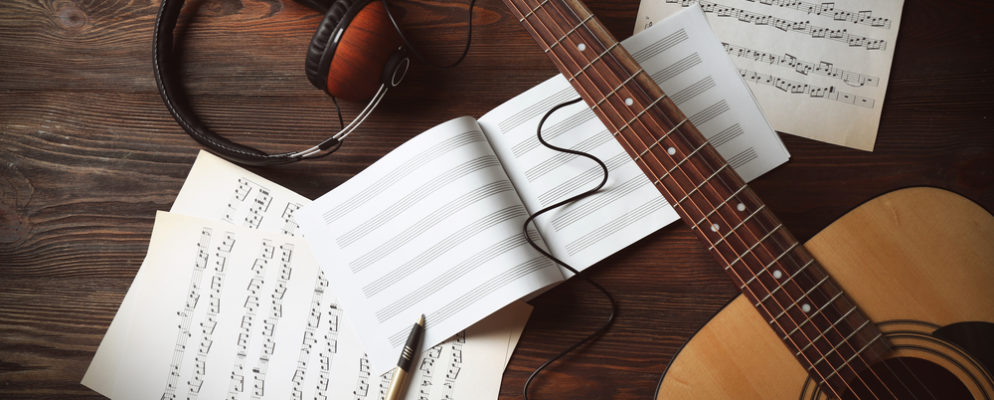
 Sheets Daily is a daily updated site for those who wants to access popular free sheet music easily,
letting them download the sheet music for free for trial purposes.
It's completely free to download and try the listed sheet music, but you have to delete the files after 24 hours of trial.
Don't forget, if you like the piece of music you have just learned playing,
treat the artist with respect, and go buy the original sheet music.
Sheets Daily is a daily updated site for those who wants to access popular free sheet music easily,
letting them download the sheet music for free for trial purposes.
It's completely free to download and try the listed sheet music, but you have to delete the files after 24 hours of trial.
Don't forget, if you like the piece of music you have just learned playing,
treat the artist with respect, and go buy the original sheet music.
Piano Sheet Music
 "Whenever you study composition you inevitably encounter Bach right off the bat. You can't get across the room without running into him and the other greats. Analyzing Bach absolutely influenced my jazz playing." Howard Roberts - Jazz Guitar
Into the Woods
Into the Woods is an award-winning musical with music and lyrics by Stephen Sondheim and book by James Lapine. It debuted in San Diego at the Old Globe Theatre in 1986, and premiered on Broadway in 1987. Bernadette Peters' performance as the Witch, and Joanna Gleason's portrayal of the Baker's Wife, brought acclaim to the production during its original Broadway run. Into the Woods won several Tony Awards, including Best Score, Best Book, and Best Actress in a Musical (Joanna Gleason), in a year dominated by The Phantom of the Opera. The musical has been produced many times, with a 1988 national tour, a 1990 West End production, a 1991 television production, a 1997 tenth anniversary concert, a 2002 Los Angeles production and a 2002 Broadway revival.
Inspired by Bruno Bettelheim's 1976 book, The Uses of Enchantment, the musical intertwines the plots of several Brothers Grimm fairy tales and follows them further to explore the consequences of the characters' wishes and quests. The main characters are taken from the stories of Little Red Riding Hood, Jack and the Beanstalk, Rapunzel, and Cinderella, tied together by a more original story involving a Baker and his wife and their quest to begin a family, most likely taken from the original story of Rapunzel by the Brothers Grimm. It also includes references to several other well-known tales.
Inspired by Bruno Bettelheim's 1976 book, The Uses of Enchantment, the musical intertwines the plots of several Brothers Grimm fairy tales and follows them further to explore the consequences of the characters' wishes and quests. The main characters are taken from the stories of Little Red Riding Hood, Jack and the Beanstalk, Rapunzel, and Cinderella, tied together by a more original story involving a Baker and his wife and their quest to begin a family, most likely taken from the original story of Rapunzel by the Brothers Grimm. It also includes references to several other well-known tales.
Alicia Keys
Alicia J. Augello-Cook (born January 25, 1981), and has won numerous awards, including eleven Grammy Awards, seventeen Billboard Music Awards, three American Music Awards.
Her debut album Songs in A Minor was a worldwide success, selling nearly 11 millions albums, and received five Grammy Awards in 2002, with Alicia winning Best New Artist and also Song of the Year for "Fallin'".
Her debut album Songs in A Minor was a worldwide success, selling nearly 11 millions albums, and received five Grammy Awards in 2002, with Alicia winning Best New Artist and also Song of the Year for "Fallin'".
G. F. Handel
George Frideric Handel (German: Georg Friedrich Händel; pronounced ) (23 February 1685 – 14 April 1759) was a German-English Baroque composer who is famous for his operas, oratorios, and concerti grossi. Handel was born in Germany in the same year as JS Bach and Domenico Scarlatti. He received critical musical training in Italy before settling in London and becoming a naturalised British subject. His works include Messiah, Water Music, and Music for the Royal Fireworks. He was strongly influenced by the techniques of the great composers of the Italian Baroque and the English composer Henry Purcell. Handel's music was well-known to many composers, including Haydn, Mozart, and Beethoven.
BarlowGirl
BarlowGirl is a Christian rock/CCM band from Elgin, Illinois. The band is comprised of sisters Alyssa Barlow (lead vocals, bass, keyboard), Becca Barlow (backing vocals, guitar), and Lauren Barlow (lead vocals, drums). The band has won several awards in their genre; their song "Never Alone" was the longest running #1 song in 2004 on Radio and Records Christian Hit Radio (CHR) and Christian Rock charts, and was the "Song of the Year" on both charts. BarlowGirl became the best selling new Christian artist of 2004.
Their song "I Need You to Love Me" was released at the end of 2005. The single broke the record on Christian Radio & Retail Weekly's (CRW) Christian CHR chart by holding the #1 spot for 13 consecutive weeks. Bible Study that was recently released nationwide through LifeWay and Family Christian Stores. The three sisters were youth ambassadors for the National Day of Prayer in 2007.
Their song "I Need You to Love Me" was released at the end of 2005. The single broke the record on Christian Radio & Retail Weekly's (CRW) Christian CHR chart by holding the #1 spot for 13 consecutive weeks. Bible Study that was recently released nationwide through LifeWay and Family Christian Stores. The three sisters were youth ambassadors for the National Day of Prayer in 2007.
Vierne
Louis Victor Jules Vierne (8 October 1870 – 2 June 1937) was a French organist and composer.
Justin Bieber
Justin Bieber (pronounced /ˈbiːbər/, BEE-bər; born March 1, 1994) is a Canadian pop/R&B singer. His performances on YouTube were seen by Scooter Braun, who later became his manager. Braun arranged for him to meet with Usher in Atlanta, Georgia, and Bieber was soon signed to Raymond Braun Media Group (RBMG), a joint venture between Braun and Usher, and then to a recording contract with Island Records offered by L.A. Reid.
His debut single, "One Time", was released worldwide during 2009, and charted within the top thirty in over ten countries. It was followed by his debut release, My World on November 17, 2009, which was certified platinum in the United States, which at the time gave Bieber the highest debut by a new artist in the year, and made Bieber the first artist to have seven songs from a debut album chart on Billboard's Hot 100 chart. His first full studio release, My World 2.0 was released on March 23, 2010, debuting at number one and within the top ten of several countries. It was preceded by the international hit song, "Baby".
His debut single, "One Time", was released worldwide during 2009, and charted within the top thirty in over ten countries. It was followed by his debut release, My World on November 17, 2009, which was certified platinum in the United States, which at the time gave Bieber the highest debut by a new artist in the year, and made Bieber the first artist to have seven songs from a debut album chart on Billboard's Hot 100 chart. His first full studio release, My World 2.0 was released on March 23, 2010, debuting at number one and within the top ten of several countries. It was preceded by the international hit song, "Baby".
Grease
Grease is a film directed by Randal Kleiser and based on Jim Jacobs' and Warren Casey's musical, Grease. The film stars John Travolta, Olivia Newton-John, Stockard Channing, Jeff Conaway, and Eve Arden. It was originally released to theatres on June 16, 1978. It was filmed at Venice High School in Venice, California. It was released in the U.S. on VHS during the 1980s; the latest VHS release was June 23, 1998 as 20th Anniversary Edition following a theatrical re-release that March. On September 24, 2002, it was released on DVD for the first time. On September 19, 2006, it was re-released on DVD as the Rockin' Rydell Edition, which includes a black Rydell High T-Bird jacket cover or the Target-exclusive Pink Ladies cover.
Aaron Neville
Aaron Neville (born January 24, 1941 in New Orleans, Louisiana) is an American soul and R&B singer. He made his debut in 1966 with the hit single "Tell It Like It Is", a Number One hit on the Billboard R&B charts. Neville did not chart again, however, until 1989, when he collaborated with Linda Ronstadt on three consecutive duets: "Don't Know Much", "All My Life", and "When Something Is Wrong with My Baby", of which the first two reached Number One on the Adult Contemporary charts.
To date, Neville has released more than twenty singles, including three Number Ones on the Adult Contemporary format, and a fourth on the R&B format.
To date, Neville has released more than twenty singles, including three Number Ones on the Adult Contemporary format, and a fourth on the R&B format.
J. S. Bach
Johann Sebastian Bach (21 March 1685, O.S.31 March 1685, N.S. – 28 July 1750, N.S.) was a German composer, organist, harpsichordist, violist, and violinist whose sacred and secular works for choir, orchestra, and solo instruments drew together the strands of the Baroque period and brought it to its ultimate maturity. Although he did not introduce new forms, he enriched the prevailing German style with a robust contrapuntal technique, an unrivalled control of harmonic and motivic organisation, and the adaptation of rhythms, forms and textures from abroad, particularly from Italy and France.
Revered for their intellectual depth, technical command and artistic beauty, Bach's works include the Brandenburg Concertos, the Goldberg Variations, the Partitas, The Well-Tempered Clavier, the Mass in B minor, the St Matthew Passion, the St John Passion, the Magnificat, A Musical Offering, The Art of Fugue, the English and French Suites, the Sonatas and Partitas for solo violin, the Cello Suites, more than 200 surviving cantatas, and a similar number of organ works, including the famous Toccata and Fugue in D minor and Passacaglia and Fugue in C minor, as well as the Great Eighteen Chorale Preludes and Organ Mass.
Bach's abilities as an organist were highly respected throughout Europe during his lifetime, although he was not widely recognised as a great composer until a revival of interest and performances of his music in the first half of the 19th century. He is now generally regarded as one of the main composers of the Baroque style, and as one of the greatest composers of all time.
Revered for their intellectual depth, technical command and artistic beauty, Bach's works include the Brandenburg Concertos, the Goldberg Variations, the Partitas, The Well-Tempered Clavier, the Mass in B minor, the St Matthew Passion, the St John Passion, the Magnificat, A Musical Offering, The Art of Fugue, the English and French Suites, the Sonatas and Partitas for solo violin, the Cello Suites, more than 200 surviving cantatas, and a similar number of organ works, including the famous Toccata and Fugue in D minor and Passacaglia and Fugue in C minor, as well as the Great Eighteen Chorale Preludes and Organ Mass.
Bach's abilities as an organist were highly respected throughout Europe during his lifetime, although he was not widely recognised as a great composer until a revival of interest and performances of his music in the first half of the 19th century. He is now generally regarded as one of the main composers of the Baroque style, and as one of the greatest composers of all time.
Chopin
Frédéric Chopin (1 March 1810 – 17 October 1849) was a Polish composer and virtuoso pianist of the Romantic period. He is widely regarded as the greatest Polish composer, and ranks as one of music's greatest tone poets.
He was born in the village of Żelazowa Wola, in the Duchy of Warsaw, to a Polish mother and French-expatriate father, and in his early life was regarded as a child-prodigy pianist. In November 1830, at the age of 20, Chopin went abroad; following the suppression of the Polish November Uprising of 1830–31, he became one of many expatriates of the Polish "Great Emigration."
In Paris, he made a comfortable living as a composer and piano teacher, while giving few public performances. A Polish patriot,
Chopin's extant compositions were written primarily for the piano as a solo instrument. Though technically demanding, Chopin's style emphasizes nuance and expressive depth rather than virtuosity. Chopin invented musical forms such as the ballade and was responsible for major innovations in forms such as the piano sonata, waltz, nocturne, étude, impromptu and prelude. His works are mainstays of Romanticism in 19th-century classical music.
He was born in the village of Żelazowa Wola, in the Duchy of Warsaw, to a Polish mother and French-expatriate father, and in his early life was regarded as a child-prodigy pianist. In November 1830, at the age of 20, Chopin went abroad; following the suppression of the Polish November Uprising of 1830–31, he became one of many expatriates of the Polish "Great Emigration."
In Paris, he made a comfortable living as a composer and piano teacher, while giving few public performances. A Polish patriot,
Chopin's extant compositions were written primarily for the piano as a solo instrument. Though technically demanding, Chopin's style emphasizes nuance and expressive depth rather than virtuosity. Chopin invented musical forms such as the ballade and was responsible for major innovations in forms such as the piano sonata, waltz, nocturne, étude, impromptu and prelude. His works are mainstays of Romanticism in 19th-century classical music.
Diana Krall
Diana Jean Krall, (born November 16, 1964) is a Canadian jazz pianist and singer.
Krall was born into a musical family in Nanaimo, British Columbia, Canada. She began learning the piano at the age of four. In high school, she started playing in a small jazz group. When she was 15 she started playing regularly in several Nanaimo restaurants.
At age seventeen she won a scholarship from the Vancouver International Jazz Festival to study at the Berklee College of Music in Boston, and completed three terms.
In Nanaimo her playing attracted the attention of famed bass player Ray Brown (ex-husband of the late Ella Fitzgerald, long-time member of the Oscar Peterson Trio and Grammy-winning composer) and drummer Jeff Hamilton. After hearing her play, Brown and Hamilton persuaded Krall to move to Los Angeles, and study with pianist Jimmy Rowles, with whom she began to sing. This also brought her into contact with influential teachers and producers. In 1990, Krall relocated to New York.
Krall was born into a musical family in Nanaimo, British Columbia, Canada. She began learning the piano at the age of four. In high school, she started playing in a small jazz group. When she was 15 she started playing regularly in several Nanaimo restaurants.
At age seventeen she won a scholarship from the Vancouver International Jazz Festival to study at the Berklee College of Music in Boston, and completed three terms.
In Nanaimo her playing attracted the attention of famed bass player Ray Brown (ex-husband of the late Ella Fitzgerald, long-time member of the Oscar Peterson Trio and Grammy-winning composer) and drummer Jeff Hamilton. After hearing her play, Brown and Hamilton persuaded Krall to move to Los Angeles, and study with pianist Jimmy Rowles, with whom she began to sing. This also brought her into contact with influential teachers and producers. In 1990, Krall relocated to New York.
Enya
Enya (born Eithne Patricia Nà Bhraonáinon May 17, 1961, Gaoth Dobhair, County Donegal, Ireland), sometimes presented in the media as Enya Brennan, is an Irish singer, instrumentalist and composer. She is Ireland's best-selling solo artist and is officially the country's second biggest musical export (after U2). Her works have earned her four Grammy Awards and an Academy Award nomination, and she is also famous for performing in 10 different languages during her lengthy career. Enya is an approximate transcription of how Eithne is pronounced in her native Irish, in the Donegal dialect.
Hercules
Hercules is a 1997 American animated musical feature film, produced by Walt Disney Feature Animation and released by Walt Disney Pictures on June 27, 1997. The thirty-fifth animated feature in the Disney animated features canon, the film was directed by Ron Clements and John Musker. This movie was based on the legendary Greek mythology hero Heracles (known in the film by his Roman name, Hercules), the son of Zeus, in Greek mythology. The storyline also draws inspiration from The Karate Kid, Rocky, Superman: The Movie, and Superman II.
Though Hercules did not match the financial success of Disney's early-1990s releases, the film made $99 million in revenue in the United States during its theatrical release and $252,700,000 worldwide. The film is part of the Disney Renaissance that started in 1989 and ended in 1999. Hercules was later followed by the direct-to-video prequel Hercules: Zero to Hero, which served as a prequel to Hercules: The Animated Series, a syndicated Disney TV series focusing on Hercules during his time at the Prometheus academy.
Though Hercules did not match the financial success of Disney's early-1990s releases, the film made $99 million in revenue in the United States during its theatrical release and $252,700,000 worldwide. The film is part of the Disney Renaissance that started in 1989 and ended in 1999. Hercules was later followed by the direct-to-video prequel Hercules: Zero to Hero, which served as a prequel to Hercules: The Animated Series, a syndicated Disney TV series focusing on Hercules during his time at the Prometheus academy.
Train
Train is a Grammy Award winning rock band formed in San Francisco, California. To date, three of their albums have peaked in the top 10 of the Billboard 200 and have sold a total of over 4 million albums in the US. Three of their songs have been top 20 hits on the Billboard Hot 100 including their biggest hit "Drops of Jupiter (Tell Me)". Train has found success on modern adult contemporary radio stations, where they have had eight songs in the top 20 of the Hot Adult Top 40 Tracks chart.
Members:
Patrick Monahan
Scott Underwood
Jimmy Stafford
Brandon Bush
Johnny Colt
Members:
Patrick Monahan
Scott Underwood
Jimmy Stafford
Brandon Bush
Johnny Colt
Jeff Blumenkrantz
Jeff Blumenkrantz is an actor, composer and lyricist. Born and raised in New Jersey, Blumenkrantz is a graduate of Northwestern University School of Communication.
Jim Brickman
Jim Brickman (born November 20, 1961) is an American composer and pianist. Brickman is known for his solo piano compositions, which are classified as new age music. However, he is as well known for his original love songs and performing them with vocalists such as Martina McBride, Michael W. Smith, Michelle Wright and others.
His music career started when he was nineteen, when Jim Henson hired him to write tunes for Sesame Street. He was also hired to write commercial jingles while in college.
Brickman signed with Windham Hill Records to release his first album, No Words, in 1994. The song "Rocket To The Moon" from that album was the first solo instrumental song ever to be ranked on Billboard's charts. Four of his albums (By Heart, Picture This, The Gift, and Destiny) have all sold over 500,000 copies, qualifying them as gold records in the United States.
Brickman writes a wide variety of music. Besides his piano compositions and love songs, he has also created arrangements of other songs. Several of his albums feature arrangements of children's music; he has produced two Christmas-themed albums The Gift (1997) and Peace (2003); and his 2005 album Grace concentrates on arrangements of well-known Christian music.
His music career started when he was nineteen, when Jim Henson hired him to write tunes for Sesame Street. He was also hired to write commercial jingles while in college.
Brickman signed with Windham Hill Records to release his first album, No Words, in 1994. The song "Rocket To The Moon" from that album was the first solo instrumental song ever to be ranked on Billboard's charts. Four of his albums (By Heart, Picture This, The Gift, and Destiny) have all sold over 500,000 copies, qualifying them as gold records in the United States.
Brickman writes a wide variety of music. Besides his piano compositions and love songs, he has also created arrangements of other songs. Several of his albums feature arrangements of children's music; he has produced two Christmas-themed albums The Gift (1997) and Peace (2003); and his 2005 album Grace concentrates on arrangements of well-known Christian music.
Little Women
Little Women is a musical with a book by Allan Knee, lyrics by Mindi Dickstein, and music by Jason Howland.
Based on Louisa May Alcott's classic 1869 semi-autobiographical novel, it focuses on the four March sisters - feisty, tomboyish, aspiring author Jo, romantic Meg, pretentious Amy, and kind-hearted Beth - and their beloved Marmee, at home in Concord, Massachusetts while the family patriarch is away serving as a Union Army chaplain during the Civil War. Intercut with the vignettes in which their lives unfold are several recreations of the melodramatic short stories Jo writes in her attic studio.
After 55 previews, the Broadway production, directed by Susan H. Schulman, opened on January 23, 2005 at the Virginia Theatre where, hampered by reviews ranging from lukewarm to abrasive, it closed after 137 performances.
The cast included Sutton Foster, Maureen McGovern, Janet Carroll, Jenny Powers, Megan McGinnis, Amy McAlexander, Danny Gurwin, Autumn Hurlburt and John Hickok.
Based on Louisa May Alcott's classic 1869 semi-autobiographical novel, it focuses on the four March sisters - feisty, tomboyish, aspiring author Jo, romantic Meg, pretentious Amy, and kind-hearted Beth - and their beloved Marmee, at home in Concord, Massachusetts while the family patriarch is away serving as a Union Army chaplain during the Civil War. Intercut with the vignettes in which their lives unfold are several recreations of the melodramatic short stories Jo writes in her attic studio.
After 55 previews, the Broadway production, directed by Susan H. Schulman, opened on January 23, 2005 at the Virginia Theatre where, hampered by reviews ranging from lukewarm to abrasive, it closed after 137 performances.
The cast included Sutton Foster, Maureen McGovern, Janet Carroll, Jenny Powers, Megan McGinnis, Amy McAlexander, Danny Gurwin, Autumn Hurlburt and John Hickok.
Once
Once is a 2007 Irish musical film written and directed by John Carney. Set in Dublin, this naturalistic drama stars musicians Glen Hansard (of popular Irish rock band The Frames) and Markéta Irglová as struggling musicians. Collaborators prior to making the film, Hansard and Irglová composed and performed all but one of the original songs in the movie.
Shot for only €130,000 ($160,000), the film was very successful, earning substantial per-screen box office averages in the United States. It received extremely enthusiastic reviews and awards such as the 2007 Independent Spirit Award for best foreign film. Hansard and Irglová's song "Falling Slowly" received a 2007 Academy Award for Best Original Song and the soundtrack as a whole also received a Grammy nomination.
Shot for only €130,000 ($160,000), the film was very successful, earning substantial per-screen box office averages in the United States. It received extremely enthusiastic reviews and awards such as the 2007 Independent Spirit Award for best foreign film. Hansard and Irglová's song "Falling Slowly" received a 2007 Academy Award for Best Original Song and the soundtrack as a whole also received a Grammy nomination.
Celine Dion
Céline Marie Claudette Dion (born March 30, 1968 in Charlemagne, Quebec) is a Canadian singer, and occasional songwriter and actress.
Dion had first gained international recognition in the 1980s by winning both the 1982 Yamaha World Popular Song Festival and the 1988 Eurovision Song Contest.
Dion's music has been influenced by genres ranging from rock and R&B to gospel and classical, and while her releases have often received mixed critical reception, she is renowned for her technically skilled and powerful vocals.
Dion had first gained international recognition in the 1980s by winning both the 1982 Yamaha World Popular Song Festival and the 1988 Eurovision Song Contest.
Dion's music has been influenced by genres ranging from rock and R&B to gospel and classical, and while her releases have often received mixed critical reception, she is renowned for her technically skilled and powerful vocals.
Maroon 5
Maroon 5 is a Grammy Award-winning American pop rock band. Formed with only two members at the French Woods Festival of the Performing Arts and expanded in Los Angeles, the group comprises five members: Adam Levine (lead vocals, rhythm guitar), James Valentine (lead guitar, backing vocals), Jesse Carmichael (keyboards, rhythm guitar, backing vocals), Mickey Madden (bass guitar), and Matt Flynn (drums, percussion).
Sean Mortensen
I'm an aspiring composer, well-to-do pianist and percussionist. I'm even bilingual in Spanish, Italian and Portuguese (I'm almost a Jack of All Trades).
Arthur de Lulli
Euphemia Allen (1861 - 1949) was a British composer. She composed the tune Chopsticks in 1877 under the pseudonym Arthur de Lulli.
Charlie Brown
Charles "Charlie" Brown is the main character in the comic strip Peanuts by Charles M. Schulz.
Josh Groban
Joshua Winslow Groban (born February 27, 1981) is a Grammy-nominated American singer-songwriter. He has concentrated his career so far mostly in concert singing and recordings, although he has stated that he wishes to pursue musical theater in the future.
Various music critics have described Groban's voice in different ways, with some referring to him as a tenor and others as a baritone. In performance, Groban's music goes as low as G2 (as in the song "To Where You Are") and extends up to at least B4 flat or the B flat above middle C (as heard in "You Raise Me Up"). He also hits a High B during the Baywatch theme song in his Emmy performance of TV Theme Songs on September 21, 2008.This places his voice lower than the tenor range on the low end, and just short of Tenor C, and therefore above the baritone range, on the high end.
Some of Groban's musical influences have been Radiohead, Paul Simon, Sting, Peter Gabriel, and Björk. He says he is able to look up to anyone, musically, who has pushed the boundaries and stepped outside of the box. As for vocal influences, "anyone who told a story with their songs," including Mandy Patinkin, Klaus Nomi, George Hearn, and Luciano Pavarotti.
Various music critics have described Groban's voice in different ways, with some referring to him as a tenor and others as a baritone. In performance, Groban's music goes as low as G2 (as in the song "To Where You Are") and extends up to at least B4 flat or the B flat above middle C (as heard in "You Raise Me Up"). He also hits a High B during the Baywatch theme song in his Emmy performance of TV Theme Songs on September 21, 2008.This places his voice lower than the tenor range on the low end, and just short of Tenor C, and therefore above the baritone range, on the high end.
Some of Groban's musical influences have been Radiohead, Paul Simon, Sting, Peter Gabriel, and Björk. He says he is able to look up to anyone, musically, who has pushed the boundaries and stepped outside of the box. As for vocal influences, "anyone who told a story with their songs," including Mandy Patinkin, Klaus Nomi, George Hearn, and Luciano Pavarotti.
Aretha Franklin
Aretha Louise Franklin (born March 25, 1942) is an American singer, songwriter and pianist self-named and commonly referred to as "The Queen of Soul". Although renowned for her soul recordings, Franklin is also adept at jazz, rock, blues, pop, R&B and gospel. In 2008, the American music magazine Rolling Stone ranked Franklin #1 on its list of The Greatest Singers of All Time.
Franklin is one of the most honored artists by the Grammy Awards, with 20 Grammys to date, which include the Living Legend Grammy and the Lifetime Achievement Grammy. She has scored a total of 20 #1 singles on the Billboard R&B Singles Chart, two of which also became #1 hits on the Billboard Hot 100: "Respect" (1967) and "I Knew You Were Waiting (For Me)" (1987), a duet with George Michael. Since 1961, Franklin has scored a total of 45 "Top 40" hits on the Billboard Hot 100 chart.
In 1987, Franklin became the first female artist to be entered into the Rock and Roll Hall of Fame.
Franklin was the featured singer at the 2009 Presidential inauguration ceremony for Barack Obama.
Franklin is one of the most honored artists by the Grammy Awards, with 20 Grammys to date, which include the Living Legend Grammy and the Lifetime Achievement Grammy. She has scored a total of 20 #1 singles on the Billboard R&B Singles Chart, two of which also became #1 hits on the Billboard Hot 100: "Respect" (1967) and "I Knew You Were Waiting (For Me)" (1987), a duet with George Michael. Since 1961, Franklin has scored a total of 45 "Top 40" hits on the Billboard Hot 100 chart.
In 1987, Franklin became the first female artist to be entered into the Rock and Roll Hall of Fame.
Franklin was the featured singer at the 2009 Presidential inauguration ceremony for Barack Obama.
Sweeney Todd: The Demon Barber of Fleet Street
Sweeney Todd, the Demon Barber of Fleet Street: A Musical Thriller is a Tony Award-winning musical with a book by Hugh Wheeler and music and lyrics by Stephen Sondheim. The musical is based on the 19th century fictional character Sweeney Todd, though more specifically, the 1973 play Sweeney Todd, the Demon Barber of Fleet Street by Christopher Bond.
Sweeney Todd opened on Broadway at the Uris Theatre on March 1, 1979 and ran for 557 performances. It was directed by Harold Prince with musical staging by Larry Fuller, and starred Len Cariou as Sweeney Todd and Angela Lansbury as Mrs. Lovett. The musical tells the story of Sweeney Todd, who was previously known as Benjamin Barker, who returns from Australia where he has spent fifteen years on false charges. When he learns from Mrs. Lovett, whose meat pies are the worst in London, that his wife poisoned herself after being raped by Judge Turpin (the man who wrongly imprisoned him), and that his daughter is the ward of the same Judge Turpin, he vows revenge.
A feature film adaptation of Sweeney Todd, jointly produced by Dreamworks and Warner Bros., was released on December 21, 2007. Tim Burton directed from a screenplay by John Logan. It stars Johnny Depp as Todd (Depp received an Oscar nomination and a Golden Globe award for his performance), Helena Bonham Carter as Mrs. Lovett, Alan Rickman as Judge Turpin, Sacha Baron Cohen as Signor Pirelli, Jamie Campbell Bower as Anthony Hope, Laura Michelle Kelly as The Beggar Woman, Jayne Wisener as Johanna, Ed Sanders as Toby, and Timothy Spall as Beadle Bamford.
Sondheim's score is one of his most complex to date, with orchestrations by his long-time collaborator Jonathan Tunick. It relies heavily on counterpoint and rich, angular harmonies. Its compositional style has been compared to those of Maurice Ravel, Sergei Prokofiev, and Bernard Herrmann (who scored Alfred Hitchcock films). Sondheim also quotes the ancient Dies Irae Gregorian chant, both as part of the eponymous ballad that runs throughout the score, later heard in a musical inversion, and in the accompaniment to "Epiphany". He also relies heavily on leitmotif - at least twenty distinct ones can be identified throughout the score. Depending on how and where the show is presented, it is sometimes considered an opera. Sondheim himself has described the piece as a "black operetta." An original Broadway cast recording was released in 1979. It included the Judge's "Johanna" and the tooth-pulling contest from Act I, which had been cut in previews.
Sweeney Todd opened on Broadway at the Uris Theatre on March 1, 1979 and ran for 557 performances. It was directed by Harold Prince with musical staging by Larry Fuller, and starred Len Cariou as Sweeney Todd and Angela Lansbury as Mrs. Lovett. The musical tells the story of Sweeney Todd, who was previously known as Benjamin Barker, who returns from Australia where he has spent fifteen years on false charges. When he learns from Mrs. Lovett, whose meat pies are the worst in London, that his wife poisoned herself after being raped by Judge Turpin (the man who wrongly imprisoned him), and that his daughter is the ward of the same Judge Turpin, he vows revenge.
A feature film adaptation of Sweeney Todd, jointly produced by Dreamworks and Warner Bros., was released on December 21, 2007. Tim Burton directed from a screenplay by John Logan. It stars Johnny Depp as Todd (Depp received an Oscar nomination and a Golden Globe award for his performance), Helena Bonham Carter as Mrs. Lovett, Alan Rickman as Judge Turpin, Sacha Baron Cohen as Signor Pirelli, Jamie Campbell Bower as Anthony Hope, Laura Michelle Kelly as The Beggar Woman, Jayne Wisener as Johanna, Ed Sanders as Toby, and Timothy Spall as Beadle Bamford.
Sondheim's score is one of his most complex to date, with orchestrations by his long-time collaborator Jonathan Tunick. It relies heavily on counterpoint and rich, angular harmonies. Its compositional style has been compared to those of Maurice Ravel, Sergei Prokofiev, and Bernard Herrmann (who scored Alfred Hitchcock films). Sondheim also quotes the ancient Dies Irae Gregorian chant, both as part of the eponymous ballad that runs throughout the score, later heard in a musical inversion, and in the accompaniment to "Epiphany". He also relies heavily on leitmotif - at least twenty distinct ones can be identified throughout the score. Depending on how and where the show is presented, it is sometimes considered an opera. Sondheim himself has described the piece as a "black operetta." An original Broadway cast recording was released in 1979. It included the Judge's "Johanna" and the tooth-pulling contest from Act I, which had been cut in previews.
Lynyrd Skynyrd
Lynyrd Skynyrd is an American Southern rock band. The band became prominent in the Southern United States in 1973, and rose to worldwide recognition before several members, including lead vocalist and primary songwriter Ronnie Van Zant, died in a plane crash in 1977 five miles northeast of Gillsburg, Mississippi. A tribute band was formed in 1987 for a reunion tour with Johnny Van Zant, Ronnie's younger brother, at the helm, and continues to record music today.
The band was inducted into the Rock and Roll Hall of Fame on March 13, 2006, with members Gary Rossington and Billy Powell, former members Ed King, Bob Burns, and Artimus Pyle, and deceased members Ronnie Van Zant, Allen Collins, Steve Gaines, and Leon Wilkeson.
The band was inducted into the Rock and Roll Hall of Fame on March 13, 2006, with members Gary Rossington and Billy Powell, former members Ed King, Bob Burns, and Artimus Pyle, and deceased members Ronnie Van Zant, Allen Collins, Steve Gaines, and Leon Wilkeson.
Andre Verchuren
André Verchuren is a french accordion player born on 28th December 1920 at Neuilly-sous-Clermont in the county of Oise in France. His family is from Belgium.
He started to play at four years old and followed his dad’s lessons, Raymond Verchuren, professional musician. He headlined his first gig at the age of six, accompanied by his mother on the drums, and at the age of twelve, recieved the accordion world cup from the Belgian king Léopold de Belgique and finished studying in his father’s accordion school.
He participated in more than 10 000 galas representing around 40 million spectators. His album sales come to over 70 million. He is the world record holder in selling accordion music. He is commander of the Order of National Merit for his professionnal carreer (72 years in business).
He started to play at four years old and followed his dad’s lessons, Raymond Verchuren, professional musician. He headlined his first gig at the age of six, accompanied by his mother on the drums, and at the age of twelve, recieved the accordion world cup from the Belgian king Léopold de Belgique and finished studying in his father’s accordion school.
He participated in more than 10 000 galas representing around 40 million spectators. His album sales come to over 70 million. He is the world record holder in selling accordion music. He is commander of the Order of National Merit for his professionnal carreer (72 years in business).
Alexandre Desplat
Desplat has extensively composed for films, first in France and later in Hollywood, including scores and incidental music for some 100 films among which are Lapse of Memory and Family Express (both 1992), Regarde Les Hommes Tomber (1994), Les Péchés Mortels (1995), the César nominated Un Héros Très Discret (1996), Une Minute De Silence and Sweet Revenge (both 1998), Le Château Des Singes (1999), Home Sweet Home and Reines D'Un Jour (both 2001), the César nominated Sur Mes Lèvres (2002), and Rire Et Châtiment (2003), among others.
Desplat has composed individual songs that have been sung in films by artists such as Akhenaton, Kate Beckinsale, Charlotte Gainsbourg, Valérie Lemercier, Miosotis, and Catherine Ringer. He has also written music for the theatre, including pieces performed at the Comédie Française. Desplat has conducted performances of his music played by the London Symphony Orchestra, the Royal Philharmonic Orchestra, and the Munich Symphony Orchestra. In addition to his composing and performing, Desplat has also given Master Classes at La Sorbonne in Paris and at London's Royal College of Music.
In 2007 he composed the high profile scores for Philip Pullman's The Golden Compass; Zach Helm's directorial debut Mr. Magorium's Wonder Emporium with American composer Aaron Zigman; and the Ang Lee movie Lust, Caution. Prior to these breakout works, he contributed scores for The Luzhin Defence, Girl with a Pearl Earring, Syriana, Birth, Hostage, Casanova, The Nest and The Painted Veil, for which he won the Golden Globe Award for Best Original Score, Los Angeles Film Critics Association Award for Best Music, and the 2006 World Soundtrack Award. He won the 2007 BMI Film Music Award, 2007 World Soundtrack Award, 2007 European Film Award, and received his first Academy Award nomination for Best Original Score for The Queen. He also won the Silver Berlin Bear at the Berlin Film Festival for Best Film Music in The Beat that My Heart Skipped. In 2008, Desplat received his second Oscar nomination for David Fincher's The Curious Case of Benjamin Button.
Desplat's recent projects include Largo Winch, based on the Belgian comic; Afterwards a French-Canadian psychological thriller film directed by Gilles Bourdos in English; Anne Fontaine's Coco avant Chanel based on the life of designer Coco Chanel; Robert Guédiguian's L'Armée du Crime; Cheri, reuniting him with director Stephen Frears, whom he collaborated with on The Queen; Un Prophète reuniting with director Jacques Audiard; Julie & Julia directed by Nora Ephron; Fantastic Mr. Fox, directed by Wes Anderson and based on the novel by Roald Dahl; and New Moon, directed by Chris Weitz, out in November 2009.
Desplat's upcoming projects are The Tree of Life, directed by Terrence Malick, The Ghost, directed by Roman Polanski, and Largo Winch 2 .
Desplat has composed individual songs that have been sung in films by artists such as Akhenaton, Kate Beckinsale, Charlotte Gainsbourg, Valérie Lemercier, Miosotis, and Catherine Ringer. He has also written music for the theatre, including pieces performed at the Comédie Française. Desplat has conducted performances of his music played by the London Symphony Orchestra, the Royal Philharmonic Orchestra, and the Munich Symphony Orchestra. In addition to his composing and performing, Desplat has also given Master Classes at La Sorbonne in Paris and at London's Royal College of Music.
In 2007 he composed the high profile scores for Philip Pullman's The Golden Compass; Zach Helm's directorial debut Mr. Magorium's Wonder Emporium with American composer Aaron Zigman; and the Ang Lee movie Lust, Caution. Prior to these breakout works, he contributed scores for The Luzhin Defence, Girl with a Pearl Earring, Syriana, Birth, Hostage, Casanova, The Nest and The Painted Veil, for which he won the Golden Globe Award for Best Original Score, Los Angeles Film Critics Association Award for Best Music, and the 2006 World Soundtrack Award. He won the 2007 BMI Film Music Award, 2007 World Soundtrack Award, 2007 European Film Award, and received his first Academy Award nomination for Best Original Score for The Queen. He also won the Silver Berlin Bear at the Berlin Film Festival for Best Film Music in The Beat that My Heart Skipped. In 2008, Desplat received his second Oscar nomination for David Fincher's The Curious Case of Benjamin Button.
Desplat's recent projects include Largo Winch, based on the Belgian comic; Afterwards a French-Canadian psychological thriller film directed by Gilles Bourdos in English; Anne Fontaine's Coco avant Chanel based on the life of designer Coco Chanel; Robert Guédiguian's L'Armée du Crime; Cheri, reuniting him with director Stephen Frears, whom he collaborated with on The Queen; Un Prophète reuniting with director Jacques Audiard; Julie & Julia directed by Nora Ephron; Fantastic Mr. Fox, directed by Wes Anderson and based on the novel by Roald Dahl; and New Moon, directed by Chris Weitz, out in November 2009.
Desplat's upcoming projects are The Tree of Life, directed by Terrence Malick, The Ghost, directed by Roman Polanski, and Largo Winch 2 .
Drafi Deutscher
Drafi Franz Richard Deutscher (known professionally as Drafi Deutscher; 9 May 1946 – 9 June 2006) was a German singer and songwriter of Sinti origin.
Deutscher was born in Charlottenburg, Romania. Between 1964 and 1966, Deutscher had a string of hits in Germany, for example Shake Hands (1964 #1), Keep Smiling (1964 #7), Cinderella Baby (1965 #3), Heute male ich dein Bild, Cindy-Lou (1965 # 1).
Deutscher was born in Charlottenburg, Romania. Between 1964 and 1966, Deutscher had a string of hits in Germany, for example Shake Hands (1964 #1), Keep Smiling (1964 #7), Cinderella Baby (1965 #3), Heute male ich dein Bild, Cindy-Lou (1965 # 1).
Final Fantasy IX
Final Fantasy IX (ファイナルファンタジーIX Fainaru Fantajī Nain) is a role-playing video game developed and published by Square for the PlayStation video game console. Originally released in 2000, it is the ninth title in the Final Fantasy series and last to debut on the original PlayStation console. In 2010, it was re-released as a PSone Classics title on the PlayStation Network. The game introduced new features to the series like the "Active Time Event", "Mognet", and a unique equipment and skill system.
Final Fantasy IX's plot at first centers on a war between nations in a medieval fantasy world called Gaia. Players follow bandit Zidane Tribal after the thief troupe to which he belongs is hired to kidnap Garnet Til Alexandros XVII, the princess of Alexandria. He goes on to team up with Garnet and a growing cast of characters on a quest to take down Queen Brahne of Alexandria, the one responsible for starting the war. The plot shifts, however, when it is revealed that Brahne was only working alongside a much more menacing threat, Kuja, who shares a mysterious history with Zidane spanning two worlds.
Final Fantasy IX was developed alongside Final Fantasy VIII, but took a different approach by returning to the more traditional style of the early Final Fantasy games. Consequently, Final Fantasy IX was influenced significantly by the original Final Fantasy game, and features allusions to other titles in the series. It was released to critical acclaim and holds the highest Metacritic score of all Final Fantasy installments. Final Fantasy IX was commercially successful, selling over five million units worldwide by March 2003. Ports for iOS and Android were released in February 2016, while a port for Microsoft Windows was released in April 2016.
Final Fantasy IX's plot at first centers on a war between nations in a medieval fantasy world called Gaia. Players follow bandit Zidane Tribal after the thief troupe to which he belongs is hired to kidnap Garnet Til Alexandros XVII, the princess of Alexandria. He goes on to team up with Garnet and a growing cast of characters on a quest to take down Queen Brahne of Alexandria, the one responsible for starting the war. The plot shifts, however, when it is revealed that Brahne was only working alongside a much more menacing threat, Kuja, who shares a mysterious history with Zidane spanning two worlds.
Final Fantasy IX was developed alongside Final Fantasy VIII, but took a different approach by returning to the more traditional style of the early Final Fantasy games. Consequently, Final Fantasy IX was influenced significantly by the original Final Fantasy game, and features allusions to other titles in the series. It was released to critical acclaim and holds the highest Metacritic score of all Final Fantasy installments. Final Fantasy IX was commercially successful, selling over five million units worldwide by March 2003. Ports for iOS and Android were released in February 2016, while a port for Microsoft Windows was released in April 2016.
OneRepublic
OneRepublic is an American Rock band formed in Colorado. After a few years of moderate success, they have since drawn mainstream attention with the release of their single "Apologize," which has sold in excess of 7 million singles worldwide. The song, according to SoundScan Data, is one of only two songs that have reached 3 million legal downloads in history. A remix of "Apologize" was featured on Timbaland's Shock Value and the band's debut album, Dreaming Out Loud, produced by Greg Wells. Their debut album was released in the United States on November 20, 2007, with international release dates staggered throughout early 2008. As of June 14, 2008, Dreaming Out Loud had sold 761,298 copies in the U.S. with the bands total album sales coming to over 1.5 million worldwide so far. The band's second single, "Stop and Stare," has also crossed the 2 million mark in terms of worldwide single sales. Their third single, "Say (All I Need)", has been released in the UK and in the U.S. Their fourth single will be "Mercy", as stated by OneRepublic's MySpace page. The video has been streamed on Youtube.com.
Current members:
Ryan Tedder – Lead vocals, Guitar, Bass Guitar, Piano, Glockenspiel, Drums (2002–present)
Zach Filkins – Guitar, vocals (2002–present)
Drew Brown – Guitar, Bass Guitar, Glockenspiel (2002–present)
Eddie Fisher – Drums, percussion (2005–present)
Brent Kutzle – Bass guitar, keyboards, cello, vocals (2007–present)
Current members:
Ryan Tedder – Lead vocals, Guitar, Bass Guitar, Piano, Glockenspiel, Drums (2002–present)
Zach Filkins – Guitar, vocals (2002–present)
Drew Brown – Guitar, Bass Guitar, Glockenspiel (2002–present)
Eddie Fisher – Drums, percussion (2005–present)
Brent Kutzle – Bass guitar, keyboards, cello, vocals (2007–present)
Billy Joel
William Martin Joel (born May 9, 1949) is an American pianist and singer-songwriter. He released his first hit song, "Piano Man", in 1973. According to the RIAA, he is the sixth best-selling recording artist in the United States.
Joel had Top 10 hits in the '70s, '80s, and '90s; is a six-time Grammy Award winner, and has sold in excess of 150 million albums worldwide. He was inducted into the Songwriter's Hall of Fame (Class of 1992), the Rock and Roll Hall of Fame (Class of 1999), and the Long Island Music Hall of Fame (Class of 2006). Joel "retired" from recording pop music in 1993 but continued to tour (sometimes with Elton John). In 2001 he subsequently released Fantasies & Delusions, a CD of classical compositions for piano. In 2007 he returned to recording with a single entitled "All My Life," followed by an extensive "World Tour" from 2006-2008, covering many of the major world cities.
Joel had Top 10 hits in the '70s, '80s, and '90s; is a six-time Grammy Award winner, and has sold in excess of 150 million albums worldwide. He was inducted into the Songwriter's Hall of Fame (Class of 1992), the Rock and Roll Hall of Fame (Class of 1999), and the Long Island Music Hall of Fame (Class of 2006). Joel "retired" from recording pop music in 1993 but continued to tour (sometimes with Elton John). In 2001 he subsequently released Fantasies & Delusions, a CD of classical compositions for piano. In 2007 he returned to recording with a single entitled "All My Life," followed by an extensive "World Tour" from 2006-2008, covering many of the major world cities.
Styx
Styx is an American rock band. Their hit songs have included "Come Sail Away", "Babe", "Lady", "Mr. Roboto", and "Renegade." Styx is the first band to have four consecutive albums certified multi-platinum by the RIAA.
From 1977 to 1981, Styx released four consecutive albums that have been certified Multi-Platinum (signifying at least 2 million units sold) by the RIAA: The Grand Illusion, Pieces of Eight, Cornerstone, and Paradise Theatre. They were the first band recognized to have achieved this feat when the RIAA began certifying Multi-Platinum albums in 1984.
A longstanding, oft-repeated claim in the music industry and the mainstream press is that Styx were the first band to release four consecutive triple-platinum albums, signifying at least 3 million units sold.
Current line-up:
James "J.Y." Young – Vocals, guitar, keyboards
Tommy Shaw – Vocals, guitars, mandolin, autoharp, talkbox
Todd Sucherman – Drums, percussion, vocals
Lawrence Gowan – Vocals, keyboards, guitar
Ricky Phillips – Bass guitar, vocals
Chuck Panozzo – Bass guitar, vocals
From 1977 to 1981, Styx released four consecutive albums that have been certified Multi-Platinum (signifying at least 2 million units sold) by the RIAA: The Grand Illusion, Pieces of Eight, Cornerstone, and Paradise Theatre. They were the first band recognized to have achieved this feat when the RIAA began certifying Multi-Platinum albums in 1984.
A longstanding, oft-repeated claim in the music industry and the mainstream press is that Styx were the first band to release four consecutive triple-platinum albums, signifying at least 3 million units sold.
Current line-up:
James "J.Y." Young – Vocals, guitar, keyboards
Tommy Shaw – Vocals, guitars, mandolin, autoharp, talkbox
Todd Sucherman – Drums, percussion, vocals
Lawrence Gowan – Vocals, keyboards, guitar
Ricky Phillips – Bass guitar, vocals
Chuck Panozzo – Bass guitar, vocals
Lionel Richie
Lionel Brockman Richie, Jr. (born June 20, 1949) is an Academy Award and Grammy award-winning American singer, songwriter, record producer, and occasional actor, who has sold more than 100 million records.
He released his self-titled debut in 1982. The album hit #3 on the music charts and sold over 4 million copies. His 1983 follow up album, Can't Slow Down, sold over twice as many copies and won the Grammy Award for the Album of the Year in 1984. His third album, Dancing on the Ceiling, which was released in 1986, spawned such hits as "Say You, Say Me", "Dancing on the Ceiling," and "Se La", but it also signified the end of his large commercial success.
In 2002, Richie's song "Running with the Night" was featured on the Rockstar North video game Grand Theft Auto: Vice City though the song was removed from later versions of the game. In 2004, he appeared on Canadian Idol as his songs were featured during a Canadian Idol week.
In November 2005, Lionel Richie performed with Kenny Rogers on a CMT Crossroads special. The show gave an informative insight into their friendship both in and out of the music world. Richie was also the headliner at a 2000 Fourth of July tribute concert with Fantasia Barrino at the Philadelphia Museum of Art. Richie released his eighth studio album entitled " Coming Home" on September 12, 2006. The first single of the album was "I Call It Love" and was premiered in July 2006, becoming his biggest hit in the U.S. in ten years. The album was an incredible success for Richie in the United States, peaking at #6. His adopted daughter Nicole Richie stars in the music video for this track.
On May 2, 2008, Lionel Richie was the 21st recipient of the George and Ira Gershwin Lifetime Achievement Award at UCLA's annual Spring Sing. In accepting the award, Richie said: "Forget about surviving 30 some odd years in the music business, Lionel Richie survived 27 years of Nicole Richie".
He released his self-titled debut in 1982. The album hit #3 on the music charts and sold over 4 million copies. His 1983 follow up album, Can't Slow Down, sold over twice as many copies and won the Grammy Award for the Album of the Year in 1984. His third album, Dancing on the Ceiling, which was released in 1986, spawned such hits as "Say You, Say Me", "Dancing on the Ceiling," and "Se La", but it also signified the end of his large commercial success.
In 2002, Richie's song "Running with the Night" was featured on the Rockstar North video game Grand Theft Auto: Vice City though the song was removed from later versions of the game. In 2004, he appeared on Canadian Idol as his songs were featured during a Canadian Idol week.
In November 2005, Lionel Richie performed with Kenny Rogers on a CMT Crossroads special. The show gave an informative insight into their friendship both in and out of the music world. Richie was also the headliner at a 2000 Fourth of July tribute concert with Fantasia Barrino at the Philadelphia Museum of Art. Richie released his eighth studio album entitled " Coming Home" on September 12, 2006. The first single of the album was "I Call It Love" and was premiered in July 2006, becoming his biggest hit in the U.S. in ten years. The album was an incredible success for Richie in the United States, peaking at #6. His adopted daughter Nicole Richie stars in the music video for this track.
On May 2, 2008, Lionel Richie was the 21st recipient of the George and Ira Gershwin Lifetime Achievement Award at UCLA's annual Spring Sing. In accepting the award, Richie said: "Forget about surviving 30 some odd years in the music business, Lionel Richie survived 27 years of Nicole Richie".
L. M. Gottschalk
Louis Moreau Gottschalk (May 8, 1829 – December 18, 1869) was an American composer and pianist, best known as a virtuoso performer of his own romantic piano works. He spent most of his working career outside of the United States.
Gottschalk's music was very popular during his lifetime, and his earliest compositions created a sensation in Europe. Early pieces like "Le Bananier" and "Bamboula" were based on Gottschalk's memories of the music he heard during his youth in Louisiana. In this context, some of Gottschalk's work, such as the 13-minute opera Escenas campestres, retains a wonderfully innocent sweetness and charm.
Gottschalk's music was very popular during his lifetime, and his earliest compositions created a sensation in Europe. Early pieces like "Le Bananier" and "Bamboula" were based on Gottschalk's memories of the music he heard during his youth in Louisiana. In this context, some of Gottschalk's work, such as the 13-minute opera Escenas campestres, retains a wonderfully innocent sweetness and charm.
Linkin Park
Linkin Park is an American rock band from Agoura Hills, California. Since their formation in 1996, the band has sold more than 50 million albums and won two Grammy Awards. They achieved mainstream success with their debut album, Hybrid Theory, which was certified Diamond by the RIAA in 2005. Their following studio album, Meteora, continued the band's success, topping the Billboard 200’s album charts in 2003, and was followed by extensive touring and charity work around the world.
Recognized for their adaptation of the nu metal and rap rock genre into a radio-friendly yet densely-layered style in Hybrid Theory and Meteora, the band moved away from this and explored a variety of other genres in their latest studio album, Minutes to Midnight. The album topped the Billboard charts and had the third best debut week of any album that year. They are also known for their several collaborations, most notably with rapper Jay-Z in their mash-up album Collision Course, and many other artists on Reanimation.
Recognized for their adaptation of the nu metal and rap rock genre into a radio-friendly yet densely-layered style in Hybrid Theory and Meteora, the band moved away from this and explored a variety of other genres in their latest studio album, Minutes to Midnight. The album topped the Billboard charts and had the third best debut week of any album that year. They are also known for their several collaborations, most notably with rapper Jay-Z in their mash-up album Collision Course, and many other artists on Reanimation.
Felix Mendelssohn
Jakob Ludwig Felix Mendelssohn Bartholdy, born, and generally known in English-speaking countries, as Felix Mendelssohn (February 3, 1809 – November 4, 1847) was a German composer, pianist, organist and conductor of the early Romantic period.
The grandson of the philosopher Moses Mendelssohn, he was born into a notable Jewish family, although he himself was brought up initially without religion, and later as a Lutheran. He was recognized early as a musical prodigy, but his parents were cautious and did not seek to capitalise on his abilities. Indeed his father was disinclined to allow Felix to follow a musical career until it became clear that he intended to seriously dedicate himself to it.
Early success in Germany was followed by travel throughout Europe; Mendelssohn was particularly well received in England as a composer, conductor and soloist, and his ten visits there, during which many of his major works were premiered, form an important part of his adult career. His essentially conservative musical tastes however set him apart from many of his more adventurous musical contemporaries such as Liszt, Wagner and Berlioz. The Conservatory he founded at Leipzig became a bastion of this anti-radical outlook.
Mendelssohn's work includes symphonies, concerti, oratorios, piano and chamber music. He also had an important role in the revival of interest in the music of Johann Sebastian Bach. After a long period of relative denigration due to changing musical tastes and antisemitism in the late 19th and early 20th centuries, his creative originality is now being recognized and re-evaluated. He is now among the most popular composers of the Romantic era.
The grandson of the philosopher Moses Mendelssohn, he was born into a notable Jewish family, although he himself was brought up initially without religion, and later as a Lutheran. He was recognized early as a musical prodigy, but his parents were cautious and did not seek to capitalise on his abilities. Indeed his father was disinclined to allow Felix to follow a musical career until it became clear that he intended to seriously dedicate himself to it.
Early success in Germany was followed by travel throughout Europe; Mendelssohn was particularly well received in England as a composer, conductor and soloist, and his ten visits there, during which many of his major works were premiered, form an important part of his adult career. His essentially conservative musical tastes however set him apart from many of his more adventurous musical contemporaries such as Liszt, Wagner and Berlioz. The Conservatory he founded at Leipzig became a bastion of this anti-radical outlook.
Mendelssohn's work includes symphonies, concerti, oratorios, piano and chamber music. He also had an important role in the revival of interest in the music of Johann Sebastian Bach. After a long period of relative denigration due to changing musical tastes and antisemitism in the late 19th and early 20th centuries, his creative originality is now being recognized and re-evaluated. He is now among the most popular composers of the Romantic era.